







The Core Problem: A Sedentary Life
Sitting for eight hours a day does more than just make your back ache. It can lead to a slower metabolism, weakened postural muscles, and increased stress levels. The challenge for office workers in India is finding an exercise routine that counteracts
these effects without demanding hours you simply don't have. This is where the debate between High-Intensity Interval Training (HIIT) and Low-Intensity Steady-State (LISS) cardio becomes crucial. Both promise to improve cardiovascular health, but they take very different paths to get there. Understanding their unique approaches is the first step toward choosing the right fit for your busy life.
What Exactly is HIIT?
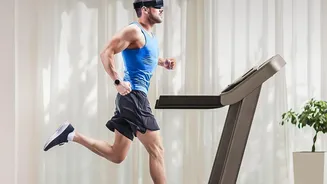
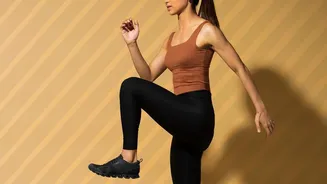
High-Intensity Interval Training (HIIT) is all about efficiency. It involves short, explosive bursts of all-out effort followed by brief recovery periods. Think 30 seconds of sprinting, followed by 60 seconds of walking, repeated for 15-20 minutes. The goal is to push your heart rate to 85-95% of its maximum during the intense intervals. The main appeal of HIIT is its 'afterburn effect', scientifically known as Excess Post-Exercise Oxygen Consumption (EPOC). This means your body continues to burn calories at an elevated rate for hours after your workout is over, which is a huge plus for anyone looking to manage their weight. A HIIT session is typically short, lasting 15 to 30 minutes, making it perfect for a packed schedule.
And What is LISS?
Low-Intensity Steady-State (LISS) cardio is the exact opposite. It involves maintaining a consistent, low-to-moderate effort for a longer duration, usually 30 to 60 minutes. During a LISS workout, your heart rate stays at a comfortable 50-65% of its maximum. Think of a brisk walk, a gentle cycling session, or a leisurely swim where you can still hold a conversation. LISS is less demanding on the body, making it gentler on the joints and easier to recover from. It’s an excellent choice for beginners, for active recovery days, or for those who find the intensity of HIIT to be too stressful. While it doesn't have the same afterburn effect as HIIT, LISS is effective at improving endurance and primarily uses fat for fuel during the workout itself.
The Deciding Factor: Time and Intensity
For many with office jobs, the biggest constraint is time. HIIT is the clear winner for time efficiency. A 20-minute session can offer similar, if not superior, cardiovascular benefits to a 45-minute LISS workout. If your goal is to get the maximum benefit in the minimum amount of time, HIIT is your answer. However, intensity is a double-edged sword. HIIT is incredibly demanding and carries a higher risk of injury, especially for beginners or those with improper form. It places significant stress on the body, requiring more recovery time between sessions—experts typically recommend only 2-3 HIIT workouts per week. LISS, on the other hand, can be done more frequently and is far more forgiving on the body, making it a more sustainable choice for many.
When to Choose HIIT
HIIT is the right choice if you are short on time and want to maximise calorie burn. It's also excellent for improving athletic performance and building muscle alongside fat loss. If you find steady-state cardio monotonous and enjoy pushing your limits, HIIT's dynamic nature will keep you engaged. However, it's crucial to approach it with caution. Always warm up properly, focus on your form, and listen to your body to avoid overtraining and injury. If you have pre-existing heart conditions or joint issues, it's essential to consult a doctor before starting a HIIT regimen.
When to Choose LISS
LISS is ideal if you are new to exercise, recovering from an injury, or prefer a less intense, more meditative workout. It's fantastic for building a solid fitness foundation and improving your endurance over time. For desk workers, a LISS session like a brisk walk during a lunch break can be a great way to break up long periods of sitting, improve blood flow, and reduce stress without causing exhaustion. If your primary goal is stress reduction and creating a consistent, daily movement habit, LISS is a sustainable and highly effective option.