


The Rule of One: Less is More
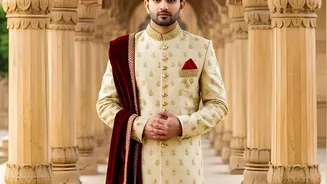
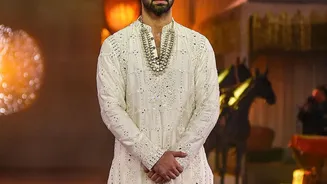
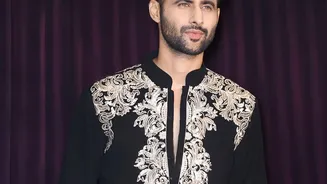
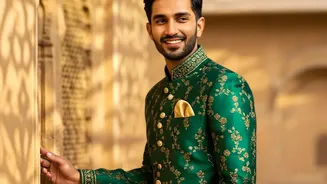
Before you even think about specific items, embrace the 'Rule of One'. This principle suggests choosing one standout accessory to be the hero of your outfit and keeping everything else understated. If your kurta is heavily embroidered or made from a rich
brocade, let the garment do the talking. In this case, your accessories should be minimal—perhaps a classic watch and simple footwear. If your kurta is plain or has minimal detailing, you have more room to play. A contrasting dupatta, a statement brooch, or an elegant jacket can elevate the look without creating clutter. The goal is balance, not a battle for attention between different elements of your outfit.
Start from the Ground Up: Footwear
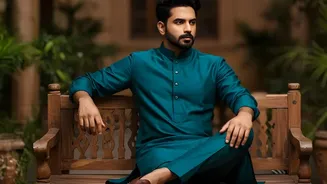
The right footwear anchors your entire ensemble. For a traditional wedding look, mojaris or juttis are the classic choice. When selecting a pair, consider the colour and fabric of your kurta. For daytime events or lighter pastel kurtas, a simple tan or brown leather mojari works beautifully. For evening functions or with darker, richer kurtas in navy, maroon, or emerald green, you can opt for mojaris with some embroidery or embellishment. However, ensure the design complements, rather than competes with, your outfit. If your kurta is already ornate, a plain mojari in a matching or neutral tone is a safer and more elegant choice. Loafers are a modern alternative that can work well, especially with more contemporary, straight-cut kurta sets.
The Art of the Drape: Dupatta or Stole
A dupatta or stole is a fantastic way to add a layer of colour, texture, and sophistication. If your kurta set is a solid colour, a contrasting or printed dupatta can create a powerful statement. For a navy blue kurta, a cream or deep maroon stole looks sharp. With a pastel kurta, a floral or subtly patterned stole can add depth. The way you wear it matters, too. A simple one-shoulder drape is the most common and graceful style, where the dupatta is folded lengthwise and hung over one shoulder. For a more relaxed feel suitable for a Sangeet or Mehendi, you can drape it loosely around your neck or let it hang over one arm. If you're going to be dancing, tucking one end into your waistband keeps it secure without sacrificing style.
A Touch of Royalty: Brooches and Pins
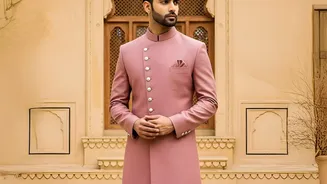
A small, well-placed brooch is a detail that signals a carefully considered outfit. It adds a point of interest and a touch of formality. The best placement is on the chest, either on the placket of the kurta or the lapel of a Nehru jacket. When choosing a brooch, consider its size and style. For a minimalist look, a simple metallic or geometric pin is effective. For a grander occasion, you might choose something with subtle stonework or a design inspired by royal insignia. If you're wearing other accessories, like a pocket square or a chain, ensure the brooch doesn't create a cluster of too much shine in one area. The key is to add a single point of regal charm.
Finishing Touches: Jewellery and a Watch
When it comes to jewellery, moderation is crucial. A classic wristwatch with a leather or metal strap is almost always a good idea, adding a polished feel. Beyond that, one or two other pieces are usually sufficient. A simple metal kada (bracelet) can add a traditional touch without being overpowering. Some men may opt for a subtle ring or a thin gold-plated chain, which can sit nicely at the kurta's neckline. Unless you are the groom, it is best to avoid heavy, oversized pieces. The aim is to complement your outfit with subtle hints of personal style, not to be weighed down by them.