



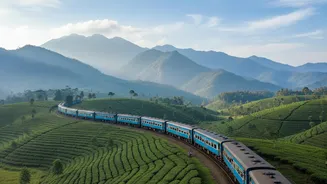
A Journey, Not a Commute
In an era of high-speed travel, the seven-hour train ride from Kandy to Ella is a celebrated act of defiance. This isn't about getting from point A to point B quickly; it’s about savoring the journey itself. The train, often nicknamed 'little honey' by
locals, winds through the heart of Sri Lanka's Hill Country, a region famous for its sprawling tea estates. The route was originally built by the British in the 19th century to transport tea and coffee from the highlands to the port city of Colombo. Today, while it still serves local communities, its primary passengers are often travelers from across the globe, eager to experience one of the world's most scenic rail adventures. The slow pace is the point, offering a moving window into a landscape that feels a world away from the bustle of modern life.
Through Plantations and Mist
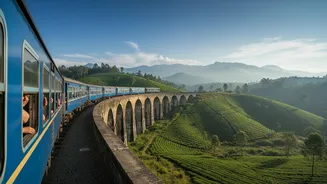
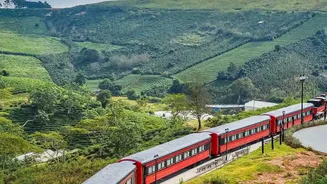
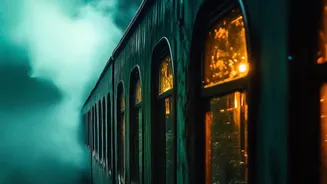
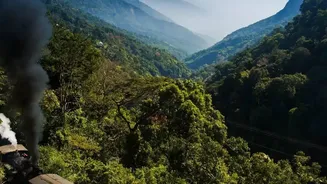
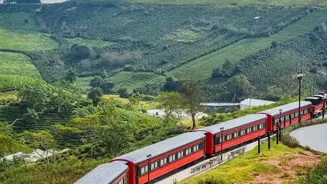
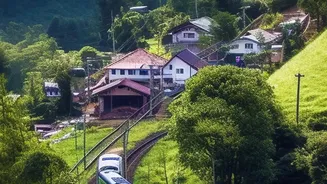
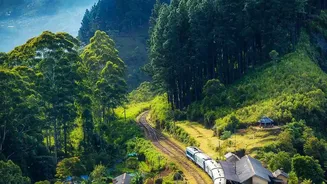
The magic of the trip lies in its ever-changing scenery. Leaving the urban landscape of Kandy, the train quickly begins its ascent into the mountains. The view transforms into a panorama of rolling hills carpeted with the vibrant green of tea plantations. Workers can often be seen dotting the fields, collecting leaves in baskets. The train passes through small, colorful villages, over gushing waterfalls, and plunges into short, dark tunnels before re-emerging into the bright green landscape. Many travelers agree the most breathtaking stretch lies between Hatton and Ella, where the scenery becomes even more dramatic, with misty forests and sweeping mountain vistas. For the best views, experts advise sitting on the right side of the train when traveling from Kandy to Ella.
That Iconic Bridge Shot
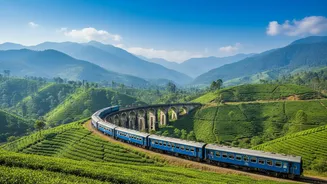
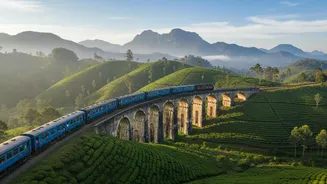
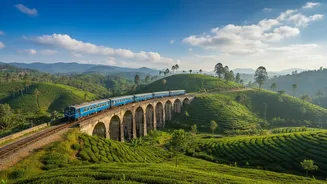
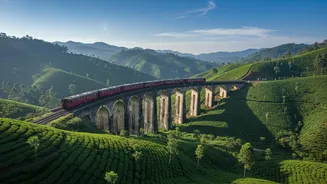
No discussion of the Kandy to Ella train is complete without mentioning the Nine Arch Bridge. Located just outside Ella, this massive stone viaduct has become an icon of Sri Lankan travel, famous for its picturesque setting amidst the lush jungle and tea fields. As the train slowly makes its way across the bridge, it creates a scene straight out of a vintage travel poster. This moment is so popular that the area is often crowded with visitors waiting to capture the perfect photograph of the train passing overhead. While it may feel like a tourist spectacle, the architectural beauty of the bridge and the surrounding scenery make it an unforgettable highlight of the journey.
Choosing Your Experience
Booking the right ticket can significantly shape your experience. The trains offer three main classes. First class provides air conditioning and reserved seats, but the windows are often sealed, which can limit the immersive feel. Third class is the most basic and popular with locals, offering an authentic, if sometimes crowded, experience with open windows. Many seasoned travelers recommend second class, which offers a sweet spot: more comfortable seating than third class, the ability to reserve a seat in advance, and, most importantly, open windows to let in the sounds, smells, and cool mountain air. Due to the route's immense popularity, booking tickets well in advance—sometimes up to a month—is highly recommended, especially for reserved seats.
A Global Draw with Regional Appeal
The train's fame has spread globally, but it holds a special appeal for visitors from neighboring India. Recent tourism data from 2026 shows India as the top source of visitors to Sri Lanka, accounting for nearly a quarter of all arrivals. For Indian tourists, Sri Lanka offers a compelling mix of proximity, cultural familiarity, and diverse attractions—from beaches to mountains. The Kandy to Ella train fits perfectly into this, providing a scenic, accessible, and highly memorable adventure that is frequently highlighted in travel wishlists. This rising interest has cemented the train journey not just as a backpacker's rite of passage, but as a mainstream travel highlight.