



From Ancient Staple to Modern Star
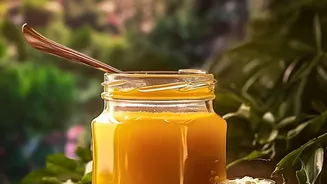
Ghee is no new invention; it's a form of clarified butter that has been a cornerstone of Indian cuisine and Ayurvedic tradition for centuries. It is made by simmering butter until the water content evaporates and the milk solids separate and caramelize,
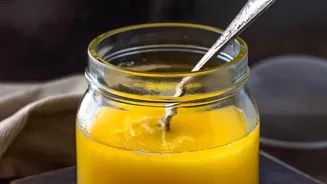
which are then strained out. What remains is a pure, golden liquid with a distinct nutty aroma and a longer shelf life than butter. While traditional ghee is a culinary gem on its own, the 'infused' version takes it a step further by steeping aromatics like herbs, spices, or garlic into the fat, creating a two-in-one ingredient that delivers both a high-quality cooking medium and a burst of flavor.
The Science of a High Smoke Point
One of ghee's most celebrated attributes is its high smoke point. Pure ghee can be heated to around 250°C (485°F) before it begins to smoke and break down. This is significantly higher than regular butter, which starts to burn at approximately 175°C (350°F) due to its milk solids. Why does this matter? Cooking with a fat past its smoke point not only creates a bitter, burnt taste but can also release harmful compounds. Ghee’s high tolerance for heat makes it ideal for cooking methods like searing, frying, and roasting, allowing you to achieve a perfect crust on a steak or crispy roasted vegetables without filling your kitchen with smoke or compromising the oil's stability.
A Symphony of Flavor
Beyond its functional benefits, infused ghee is a gateway to a world of complex flavors. The fat acts as an excellent carrier, extracting the essential oils and aromatic compounds from added ingredients. The possibilities are nearly endless. A garlic-infused ghee is perfect for sautéing greens or finishing a steak. A version steeped with rosemary and thyme can elevate roasted chicken and potatoes. Even sweet spices like cinnamon and vanilla can be infused into ghee, creating a unique fat for baking, drizzling on pancakes, or blending into a morning coffee. Other popular combinations include chilli for a spicy kick, or classic Indian spices like cardamom and ginger.
Your Culinary Swiss Army Knife
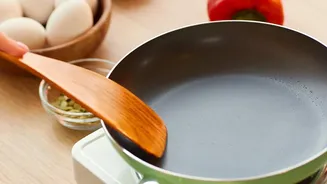
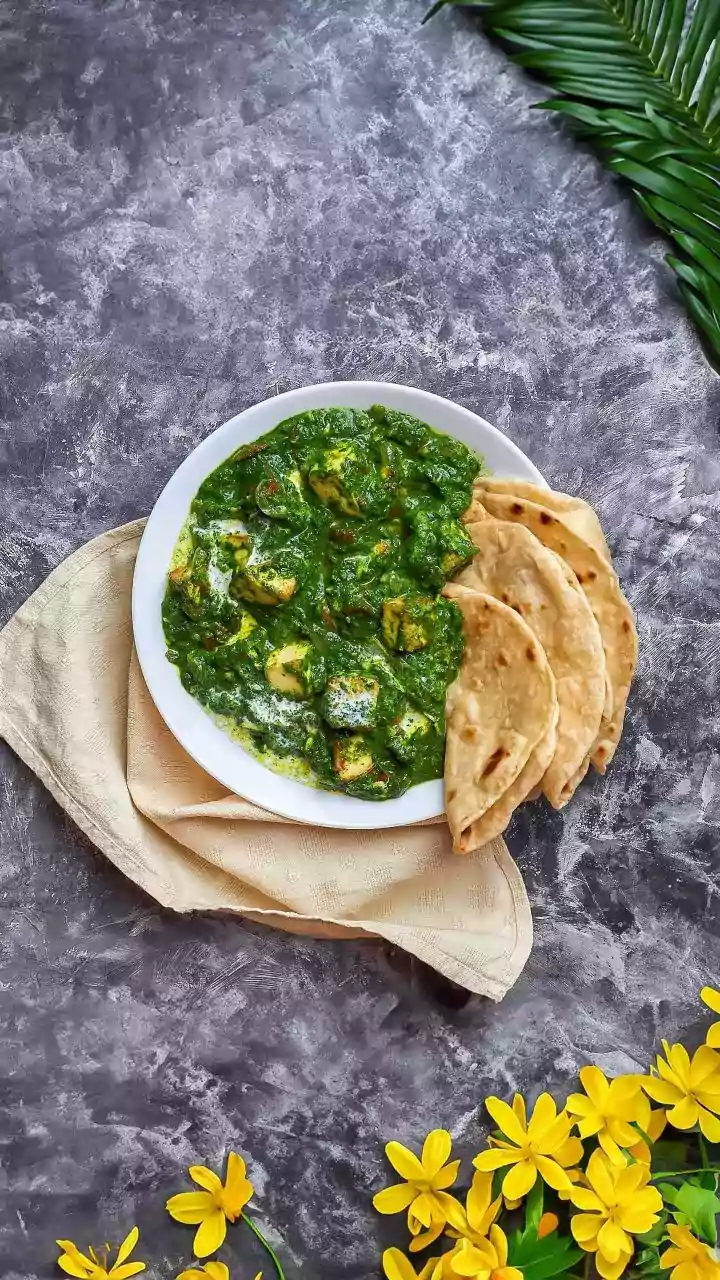
Integrating infused ghee into your cooking is simple. You can use it as a direct substitute for oil or butter in almost any savory application. Start your morning by frying eggs in a tarragon-chive ghee for an herbaceous boost. Liven up a simple bowl of rice or lentils with a finishing drizzle of spice-infused ghee, a technique known as tadka in Indian cooking. Melt garlic ghee over popcorn for an instant gourmet snack. For vegetables, it’s a game-changer; toss broccoli or carrots in an herbed ghee before roasting to give them a rich, layered flavor that a simple sprinkle of dried herbs can’t match. It adds a luxurious richness and helps carry the flavor of spices throughout a dish.
DIY or Buy: Bringing It Home
As its popularity has grown, high-quality artisanal infused ghees have become more accessible in stores and online. However, making it at home is a simple and rewarding process that gives you complete control over the flavor combinations. The basic method involves gently melting ghee (or making it from scratch from butter) and adding your chosen aromatics—like smashed garlic cloves, fresh rosemary sprigs, or whole spices. The mixture is then gently heated over a low flame, allowing the flavors to infuse without burning the ingredients, before being strained into a clean jar. Whether you buy a jar of garlic-rosemary ghee or create your own signature blend, introducing this versatile fat into your pantry is a simple step that can profoundly elevate your everyday cooking.