







The Viral Food Find
Scroll through the feeds of India’s most popular food vloggers, and a charming trend emerges. Amidst the cheese pulls and elaborate cafe creations, there’s a recurring, refreshingly simple star: the ‘patte wali kulfi’. Videos show street vendors in bustling
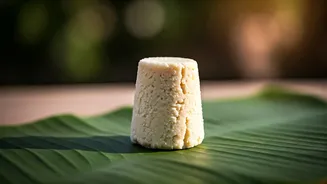
city lanes, often in places like Lucknow or Old Delhi, deftly slicing a frozen block of kulfi. But instead of placing it in a plastic cup or on a paper plate, they lay the creamy slab onto a fresh, green leaf. The camera zooms in, the vlogger takes a bite, and the caption almost always echoes the same sentiment: pure nostalgia. This isn't a new invention; it's the rediscovery of a long-standing tradition, now amplified and shared with millions, turning a local, generational practice into a viral sensation.
More Than Just a Plate
The leaf is not just an eco-friendly, zero-waste serving vessel, though that is a significant part of its modern appeal. Traditionally, vendors use a specific type, often the leaf of the Jamun (black plum) or Banyan tree. This choice is deliberate. The Jamun leaf, in particular, imparts a subtle, almost imperceptible earthy and astringent note that beautifully cuts through the richness of the malai or kesar-pista kulfi. It also adds a natural coolness to the experience. For generations that grew up with this treat, the leaf is inseparable from the taste itself. It’s an ingredient, not just packaging. It represents a time when nature was an integral part of our consumption, when resourcefulness created unique sensory experiences that plastic and paper could never replicate. Eating from the leaf forces you to be present, to engage with the food in a more tactile, grounded way.
A Taste of Simpler Times
Why does this simple dessert resonate so deeply? Because it taps into a powerful collective memory. For many, it’s a direct link to childhood summers, to a time when a few rupees could buy a moment of pure joy. It evokes memories of post-school treats or late-evening strolls with grandparents. This kulfi is the antithesis of modern, complex desserts. There are no foams, gels, or deconstructed elements. It’s honest and straightforward: frozen, reduced milk, flavoured with cardamom, saffron, and nuts. In our fast-paced, digital-first lives, this simplicity feels like a luxury. The ‘patte wali kulfi’ represents a less complicated era, a tangible connection to the past that people are craving. It’s not just food; it’s a feeling of comfort, authenticity, and belonging that has been passed down through generations.
The Art of Old-School Kulfi
The magic also lies in the kulfi itself. This isn't the smooth, creamy ice cream we're accustomed to. True, traditional kulfi has a unique, slightly granular texture. This comes from the slow-cooking process where milk is reduced for hours over a low flame, allowing the milk solids and sugars to caramelise and condense. It is then often hand-churned or set in traditional moulds, resulting in a denser, icier-yet-creamy consistency that melts slower in the Indian heat. This texture is precisely what makes it so satisfying to eat, especially when contrasted with the smooth, cool surface of the leaf. The flavours are classic and potent—the fragrance of saffron, the crunch of pistachios, the aroma of cardamom—unmuddled by artificial essences. It’s a testament to the art of patience and simple, high-quality ingredients.
From Local Gem to Digital Darling
For decades, this way of serving kulfi was a hyper-local practice, known only to the residents and frequent visitors of specific neighbourhoods. The vendors, many of whom are third or fourth-generation kulfi-wallahs, continued the tradition not as a gimmick, but because it was simply how it was always done. Now, social media has become an unlikely custodian of this culinary heritage. By showcasing these vendors, vloggers are not just creating content; they are driving footfall to small, family-run businesses and ensuring that these traditions don't fade into obscurity. They are documenting a piece of living history, introducing it to a new generation that may have never experienced it otherwise. The screen becomes a window into a street corner hundreds of kilometres away, making a local flavour a national conversation.