



The Soul of Comfort Food
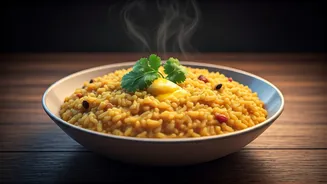
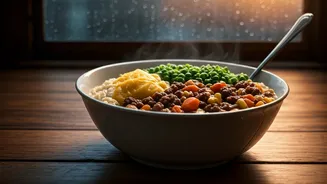
Khichdi is more than just a meal; it's a feeling. It's the first solid food for a baby, a restorative meal during illness, and a simple, satisfying dinner after a long day. A one-pot wonder of rice and lentils, its genius lies in its simplicity and adaptability.
Every region has its own version, from the mushy, ghee-laden Bengali *khichuri* to the spicy, vegetable-rich Gujarati *khichdi*. Traditionally seasoned with turmeric, cumin, and a dollop of ghee, it’s the culinary equivalent of a warm hug—deeply familiar, nourishing, and reliably delicious. But its reputation as a 'simple' or 'sick person's' food has long overshadowed its immense potential.
The Khichdi Glow-Up
Lately, however, this humble dish has been undergoing a quiet revolution. All across India, from high-end restaurant menus in Mumbai and Delhi to the kitchens of health-conscious home cooks, khichdi is getting a gourmet makeover. This isn't about abandoning tradition but expanding it. The new-age khichdi is a canvas for culinary creativity, driven by a renewed interest in indigenous grains, a globalised palate, and a desire for meals that are both healthy and exciting. It’s no longer just rice and dal; it’s a celebration of texture, flavour, and nutrition that feels both nostalgic and brand new.
Rethink Your Grains and Lentils
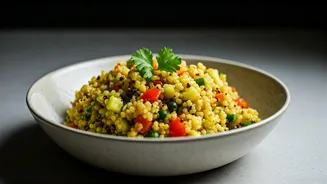
The most significant shift in the modern khichdi is moving beyond basic white rice. Swapping grains introduces a world of new textures and nutritional benefits. Try using foxtail millet or bajra for a rustic, earthy flavour. Quinoa, a complete protein, makes for a lighter, fluffier khichdi. For a chewier texture and nutty taste, consider using brown or red rice. You can also play with the lentils. Instead of just moong or toor dal, experiment with a mix of masoor, chana, or even whole dals for a more complex flavour profile. The 1:1 ratio is just a starting point; feel free to create your own signature blend.
A World of Flavours in One Pot
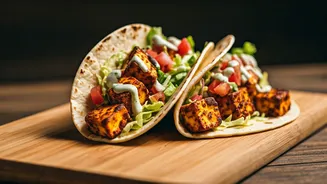
The new khichdi is a global citizen. While the classic turmeric and cumin combination is timeless, why not introduce some new companions? A pinch of smoked paprika can add a beautiful, smoky depth. For an Italian twist, cook your khichdi with finely chopped sun-dried tomatoes, basil, and a sprinkle of parmesan on top instead of ghee. Feeling adventurous? A spoonful of Thai green curry paste stirred in with coconut milk can create a fragrant, exotic dish. Or go the Mexican route with corn, black beans, jalapeños, and a blend of cumin and chilli powder, served with a side of fresh salsa. The key is to add complementary flavours that enhance, not overpower, the dish.
The Finishing Touches
How you finish the dish can make all the difference. The *tadka* (tempering) and garnish are your final flourishes. Move beyond the standard ghee and jeera. Try a tempering of mustard seeds, curry leaves, and dried red chillies for a South Indian touch. A *tadka* of browned garlic and crispy onions adds an incredible crunch and aroma. For toppings, think beyond a simple papad. Toasted pumpkin seeds, sunflower seeds, or chopped almonds add texture and healthy fats. A dollop of Greek yogurt, a drizzle of pesto, or a handful of fresh coriander and mint can instantly elevate the final presentation and taste.