



From Selfies to Smart Science
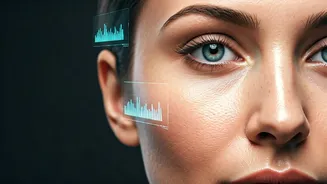
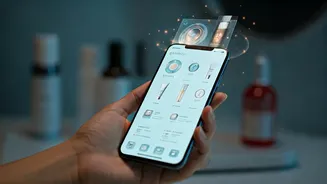
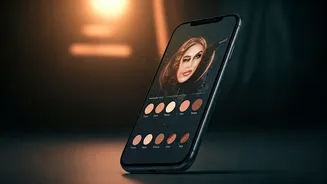
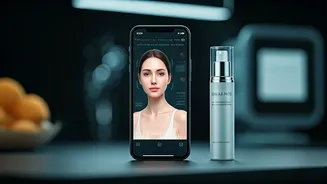
The first wave of AI skincare apps brought skin analysis to the masses. Brands like La Roche-Posay and Cetaphil launched tools that use a phone's camera to spot concerns like fine lines, dark spots, and redness. These apps were a great first step, introducing
consumers to the idea of data-driven beauty. However, their reliance on a single photo had limitations. Poor lighting, camera quality, and a lack of deeper context often led to superficial recommendations that didn't feel truly personal. The technology was impressive, but the results were closer to a digital quiz than a real consultation. The industry quickly realized that to deliver on the promise of hyper-personalization, AI needed more data—much more than a single selfie could provide.
The New Wave of AI Tools
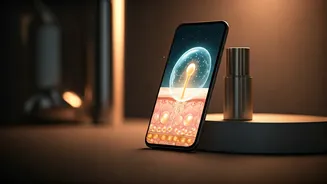
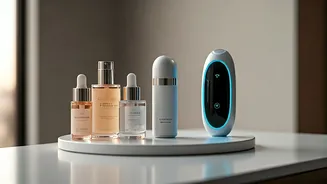
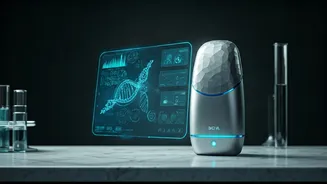
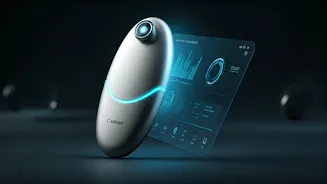
Today's advanced AI tools are integrating a much richer set of data points to build a comprehensive picture of your skin's health. Some systems, like L'Oréal's Perso, are at-home devices that combine a skin scan with real-time local environmental data, such as UV index, pollution, and humidity, to dispense a daily, custom-blended dose of serum or moisturizer. Others are incorporating lifestyle factors, asking users about their diet, sleep patterns, and stress levels to fine-tune recommendations. The most advanced platforms analyze genetic data to understand predispositions or use multi-angle imaging to build a 3D map of the face for more accurate analysis. This multi-faceted approach allows the AI to move from simply identifying a problem to understanding its context.
Hyper-Personalisation as the Ultimate Goal
The driving force behind this evolution is the pursuit of hyper-personalization—creating skincare that is not just for a 'type' but for an individual. AI algorithms can now analyze thousands of ingredients and predict how they will interact with each other and with your specific skin profile. This is leading to the rise of custom-formulation services that create unique serums and creams from scratch, tailored to your exact needs. The goal is to eliminate the costly and wasteful trial-and-error process many consumers face when trying to find products that work. Instead of buying a mass-market product designed for millions, you can have a formula designed just for you, which can adapt as your skin's needs change over time.
A Dermatologist in Your Pocket?
With this growing sophistication, it's natural to wonder if AI could replace dermatologists. Experts say not so fast. While AI is a powerful tool for cosmetic recommendations and tracking skin changes, it is not a substitute for a medical diagnosis. Dermatologists express concern over the lack of regulation and potential for misdiagnosis, especially with serious conditions like skin cancer. Studies have shown that while some AI models can be highly accurate, many consumer-facing apps lack scientific backing and can provide misleading or harmful advice. Data privacy is another significant concern, as users upload sensitive facial images and personal information. Most professionals agree that AI is best used as a supportive tool—a way to become more informed about your skin health before consulting a human expert for any medical issues.
What’s Next for Beauty Tech?
The future of AI in skincare lies in deeper integration and predictive capabilities. We can expect to see skincare AI connecting with other health-tracking wearables to get a holistic view of your well-being. Imagine a system that adjusts your moisturizer's hydration level based on data from your fitness tracker after a workout. Generative AI is also emerging, with tools like Haut.AI's SkinGPT able to simulate the future effects of skincare products or lifestyle changes on your own face, helping you visualize results before you commit. As these technologies mature, they promise to make skincare not just personal and predictive, but also more proactive, helping users maintain skin health rather than just reacting to problems.