



Secure Your Stay Wisely
Your accommodation is your safe haven. For a solo traveller, this choice is about more than just a bed; it's about security, location, and the chance to connect with others. While hotels offer privacy, hostels and guesthouses are fantastic for meeting
fellow travellers. When booking, read recent reviews with a focus on safety, cleanliness, and accessibility. Look for places in well-lit, central areas that are easy to reach, especially at night. Always book your stay for at least the first few nights before you arrive to avoid the stress of searching for a place when you're tired from your journey.
Verify Visa and Travel Insurance
Don't let paperwork ruin your trip. If you are travelling internationally, check the visa requirements for Indian citizens well in advance. Some countries require insurance as part of the visa application. Even for domestic trips, having comprehensive travel insurance is non-negotiable. A good policy protects you from unforeseen events like trip cancellations, medical emergencies, or lost baggage. For a solo traveller, this is your financial safety net, ensuring a medical issue or a stolen passport doesn't turn into a crisis. Keep digital and physical copies of your passport, visa, and insurance policy separate from the originals.
Plan for Local Transportation
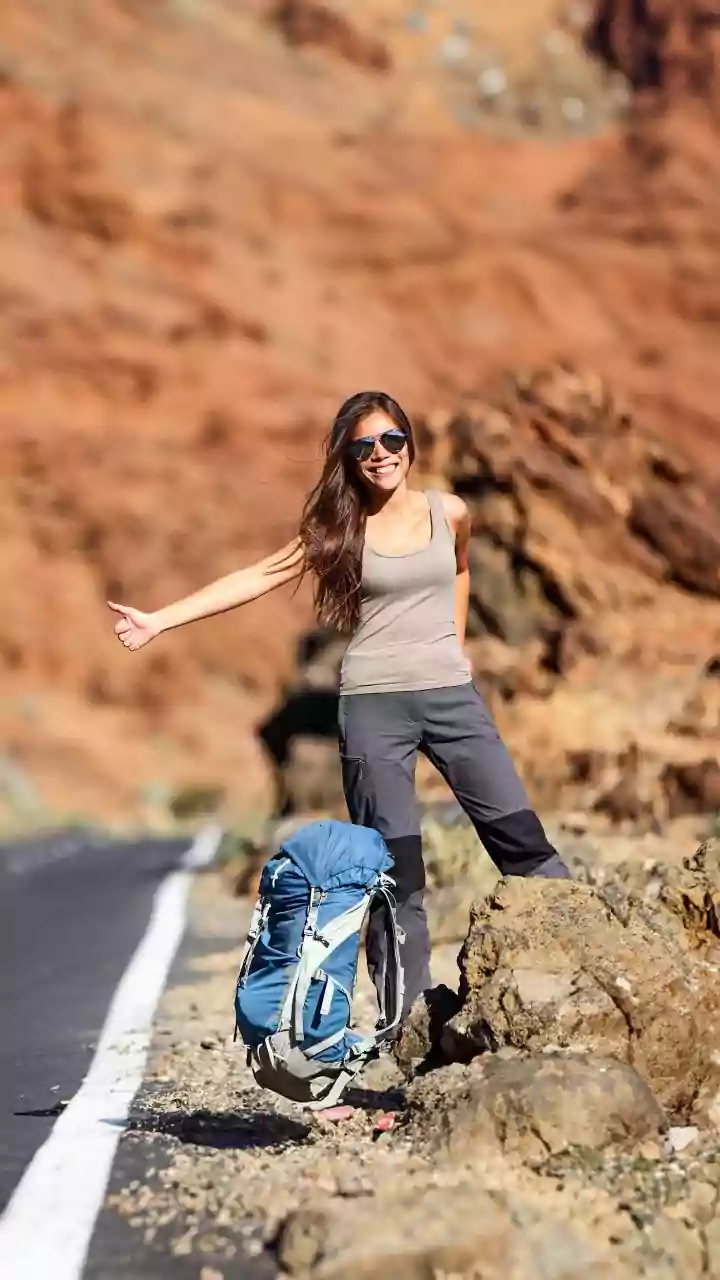
Figuring out how to get around your destination is crucial for both your budget and your safety. Research local transport options before you go. In many Indian cities, ride-hailing apps are convenient, but also consider public transport like metros and local buses for an authentic and affordable experience. For inter-city travel, trains are a great way to see the country, but they often need to be booked far in advance. If you're arriving at an airport or station late at night, consider pre-booking a trusted taxi service. Understanding the local transport system saves you money and helps you navigate with confidence.
Pack for the Weather and Activities
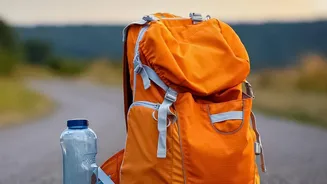
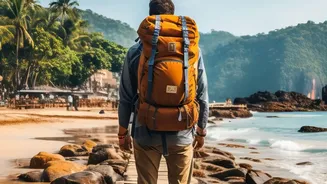
September weather in India can be unpredictable. While the monsoon is receding, some regions might still experience rain. Pack lightweight, quick-dry clothing and a waterproof jacket or poncho. Beyond clothes, think about activities. If you plan to hike, comfortable walking shoes are a must. A portable power bank is essential for keeping your devices charged on the go. Also, pack a basic first-aid kit with personal medications, pain relievers, and mosquito repellent. Packing light is always a good rule, as you'll be the only one carrying your luggage.
Prioritise Your Safety
Travelling solo is incredibly empowering, and taking a few safety precautions ensures it stays that way. Before you leave, share your detailed itinerary, including hotel details and flight numbers, with a family member or trusted friend. Save local emergency numbers—police, ambulance, and the Indian Embassy if abroad—on your phone. When you're out exploring, be aware of your surroundings and avoid flashing expensive gadgets in crowded or unfamiliar areas. It's also wise to carry a 'decoy wallet' with a small amount of cash, keeping the bulk of your money and cards in a more secure place.
Budget Beyond the Flight
Your flight might be your biggest single expense, but the small daily costs are what make or break a travel budget. A solo traveller in India can comfortably manage on ₹1,500 to ₹2,500 per day, covering accommodation, food, and local transport. Create a daily budget that accounts for meals, activities, local transport, and a little extra for shopping or unexpected treats. Eating at local restaurants instead of tourist traps is a great way to save money and experience authentic cuisine. Using a budgeting app to track your daily spending can help you stay on course.