






The Undiscovered Charm of South Goa
While North Goa pulses with energy, South Goa moves at a slower, more deliberate pace. This makes it an ideal destination for solo travellers who want to disconnect from the noise and reconnect with themselves. The vibe here is less about parties and more about pristine
nature, wellness, and genuine relaxation. Instead of bustling markets and loud music, you’ll find long, uninterrupted stretches of sand, quiet villages, and a community of travellers who appreciate a more meditative experience. It’s a place where you can read a book for hours in a beachside cafe, take long walks without seeing another soul, and truly unwind.
Agonda: A Haven of Serenity and Comfort
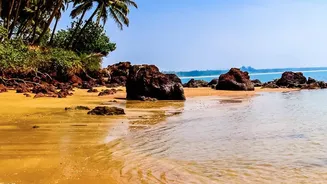
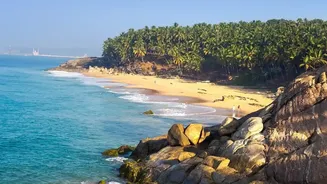
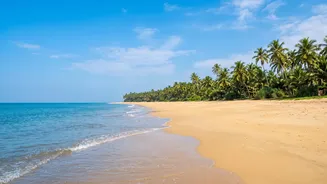
Agonda Beach is often described as the perfect balance between tranquility and convenience. This three-kilometre stretch of golden sand is breathtakingly beautiful, with calm waters that are perfect for swimming. While it maintains a peaceful atmosphere, it’s developed enough to offer comfort for solo travellers. The beach is lined with charming, eco-friendly huts and a variety of cafes and restaurants serving everything from local Goan fish thalis to healthy vegan bowls. It’s the kind of place where you can start your day with a yoga class, spend the afternoon kayaking, and end with a quiet dinner overlooking the sea. The community is welcoming, making it easy to find your own space while also having opportunities to meet like-minded people at a wellness retreat or a local cafe.
Why Agonda is Perfect for Solo Trips
Agonda's laid-back and safe environment makes it a top choice for those travelling alone. The absence of loud parties and aggressive vendors means you can relax completely. It's a place that attracts a mix of solo backpackers, couples, and families, creating a respectful and calm atmosphere. For the solo traveller, this translates to a feeling of security and community. It’s also one of Goa’s three protected nesting sites for the endangered Olive Ridley turtles. During the nesting season, which typically runs from November to March, you might even witness conservation efforts in action, adding a unique and meaningful layer to your trip.
Galgibaga: The Untouched Turtle Paradise
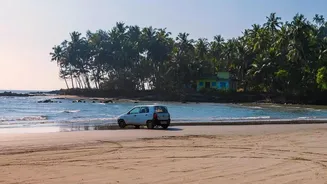
If Agonda is serene, Galgibaga is practically untouched. Located further south, this beach is one of Goa’s best-kept secrets and is often called 'Turtle Beach'. It is one of the most important and protected nesting grounds for Olive Ridley turtles in the state. Because of these vital conservation efforts, the beach remains wonderfully undeveloped. You won't find rows of shacks, sunbeds, or loud music here. Instead, the shoreline is backed by a quiet forest of pine trees, and the beach is often completely empty, offering a profound sense of solitude. This is the destination for the solo traveller who truly wants to escape commercialism and immerse themselves in raw, natural beauty.
Embracing Solitude at Galgibaga
A trip to Galgibaga is about simplicity. Activities here revolve around nature: long walks on the clean sand, swimming in the clear water, and watching spectacular sunsets. The few available eateries are set back from the shore, serving authentic Goan food and fresh seafood. Visiting Galgibaga requires a bit more planning, as accommodation is not as plentiful as in Agonda, but the reward is an unparalleled sense of peace. For those interested in wildlife, the turtle nesting season offers a chance to see a natural wonder, though access to parts of the beach may be restricted after dark to protect the nests. It’s an experience that feels a world away from the Goa most people know.
Practical Tips for Your Solo Trip
To make the most of your quiet Goan escape, keep a few things in mind. The best time to visit is between October and March when the weather is pleasant and the sea is calm. The most flexible way to explore South Goa is by renting a scooter, which typically costs a few hundred rupees per day and gives you the freedom to travel between beaches at your own pace. When visiting Galgibaga during nesting season, always be respectful of the protected areas and follow local guidelines to avoid disturbing the turtles. Finally, while digital payments are common in larger establishments, it’s wise to carry some cash for smaller shacks and local shops, especially in more remote areas like Galgibaga.