


The Invisible Chefs in Your Kitchen
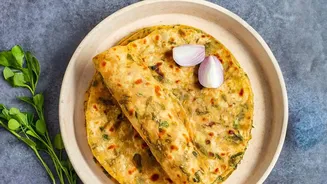
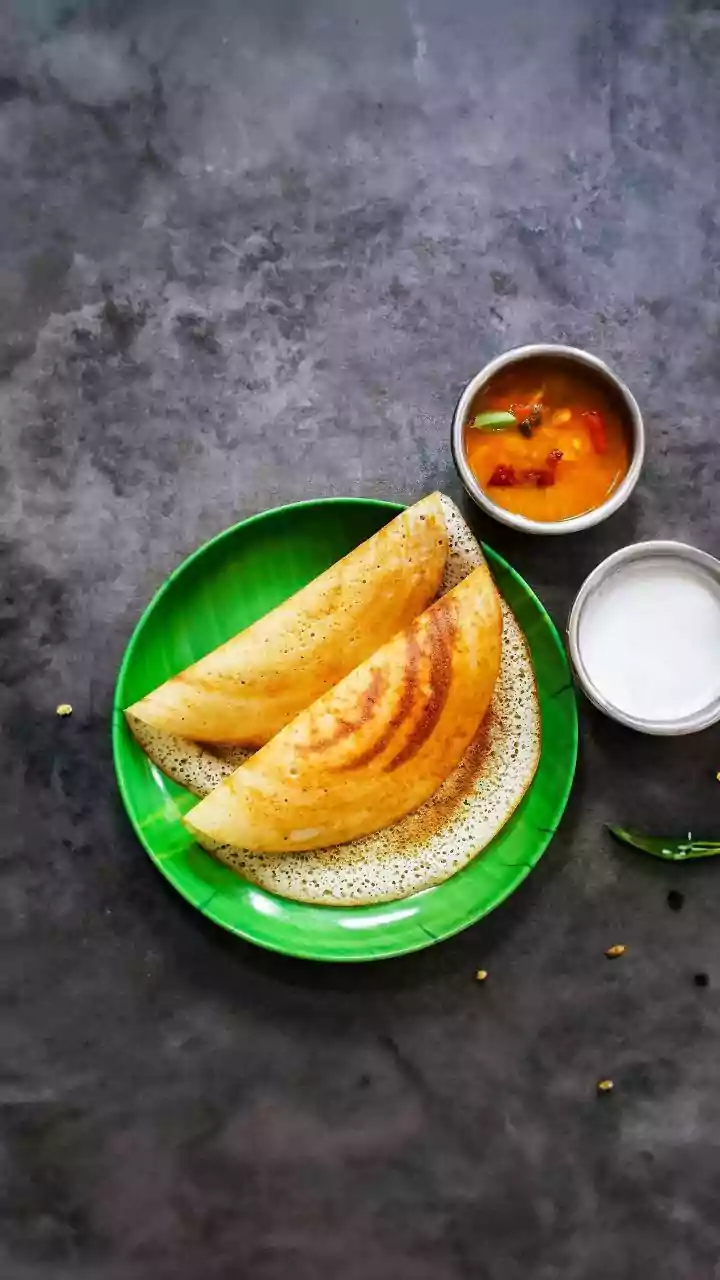
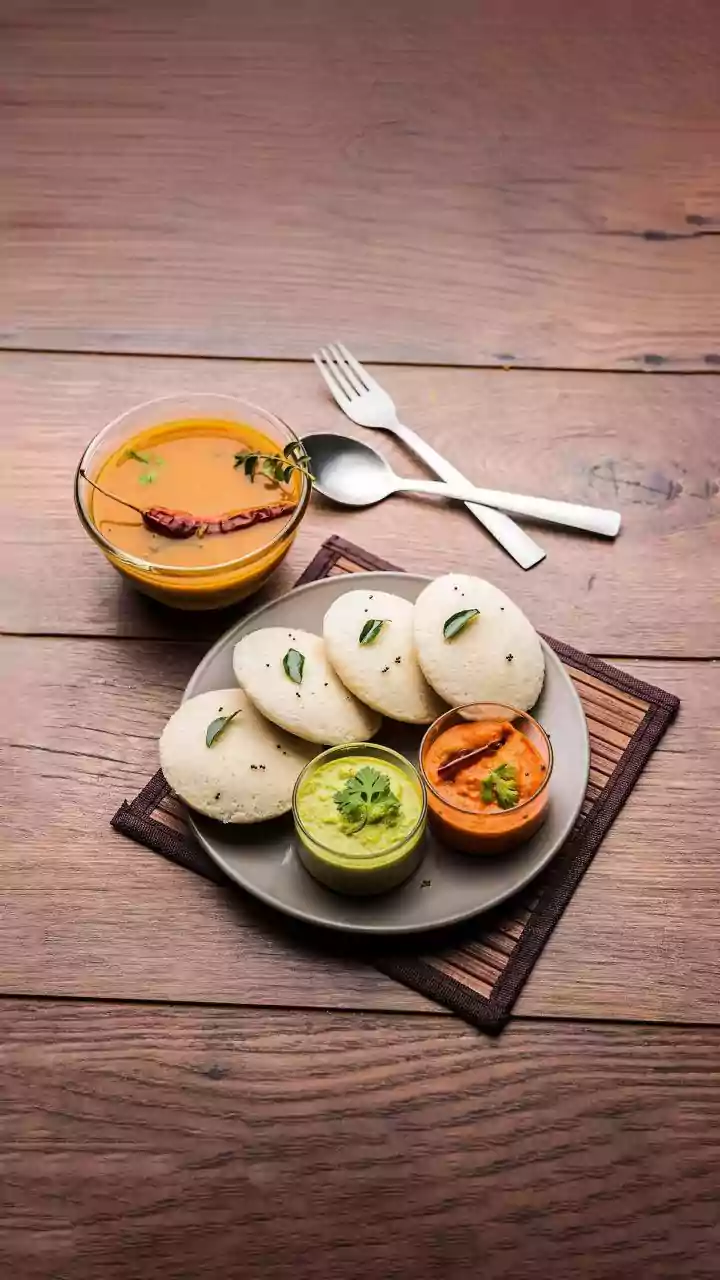
At the heart of any fermented food, from fluffy idlis to tangy dhokla, is a bustling community of invisible microorganisms. These are primarily wild yeasts and beneficial bacteria, like Lactobacillus, which are naturally present on rice, lentils, and even
in the air. When you mix your batter or prepare your pickle brine, you are essentially creating a playground for these tiny chefs. Their job is to break down the natural sugars and starches in the food. This process, called fermentation, not only creates the characteristic sour taste and airy texture we love but also makes the food easier to digest.
The Crucial Role of Temperature
Think of temperature as the conductor of this microbial orchestra. It dictates how fast and how well these organisms work. For most common Indian ferments like dosa and idli batter, the ideal temperature range is between 25°C and 32°C. Within this warm, comfortable range, the microbes are at their most active. The yeast produces carbon dioxide gas, creating the airy pockets that make a batter light and fluffy. Simultaneously, the lactic acid bacteria produce lactic acid, which gives the food its signature tangy flavour and helps preserve it.
What Happens When It's Too Cold or Too Hot?
If the environment is too cold (below 20°C), the microbes become sluggish and the fermentation process slows down dramatically. This is why it’s often a struggle to get batter to rise during winter. The yeast activity is inhibited, resulting in flat, dense idlis. Conversely, if the temperature is too high (above 35°C), fermentation can happen too quickly. This might sound good, but it often leads to an overly sour taste because certain bacteria thrive in the heat and produce excess acid. In extreme heat, it can even lead to spoilage or the growth of undesirable microbes.
Not All Fermentation Is the Same
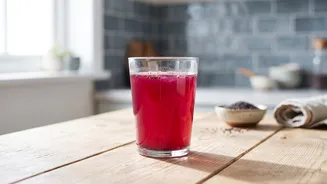
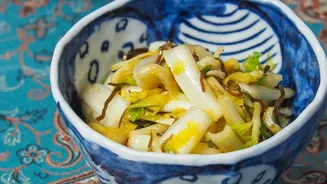
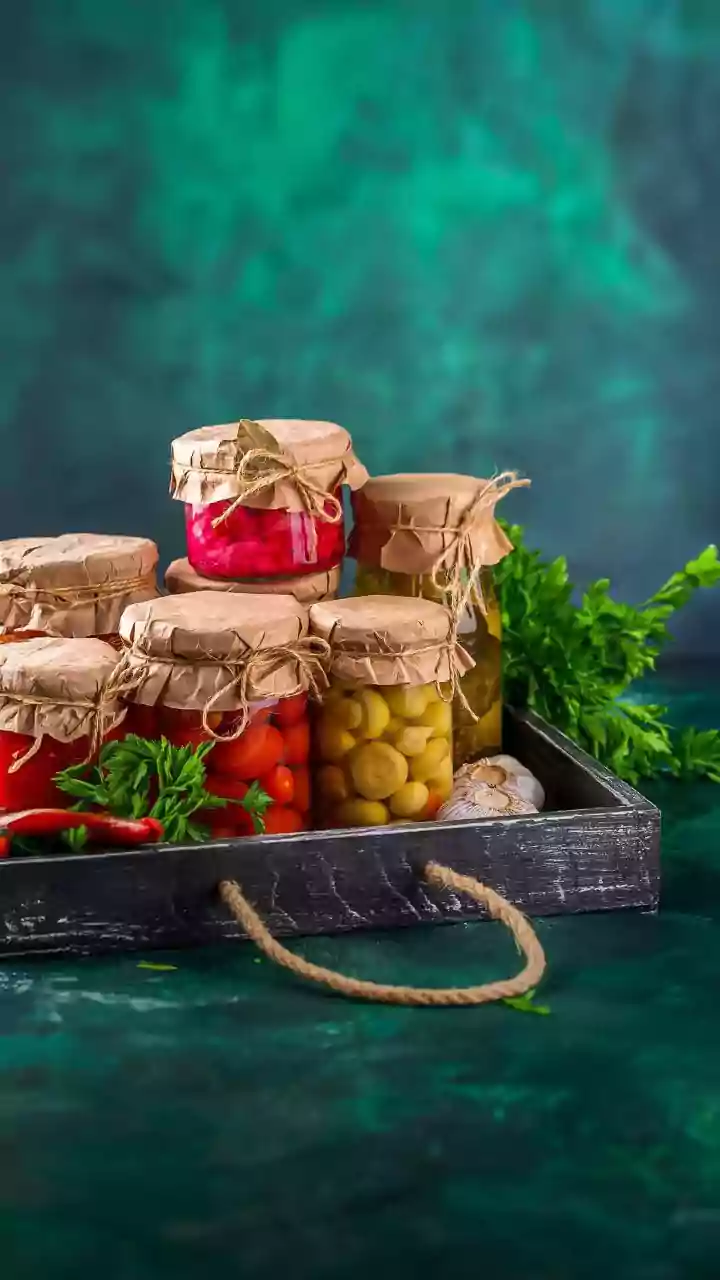
While dosa batter loves warmth, other ferments have different needs. Take traditional Indian pickles (achaar), for instance. Here, fermentation is a much slower process. Salt and oil are used to control the microbial environment, preventing spoilage while allowing flavour-producing bacteria to work over weeks or even months at room temperature. Similarly, North Indian kanji, a drink made from black carrots, ferments in the sun for several days, relying on the warmth to develop its tangy taste. Each recipe is a finely tuned system with its own unique requirements for time and temperature.
The Art of Storing Fermented Foods
Once your batter has perfectly fermented or your pickle has matured, the goal changes from encouraging microbial activity to slowing it down. This is where your refrigerator becomes essential. Placing your idli batter or opened jar of pickle in the fridge puts the brakes on the fermentation process. The cold temperature makes the microbes dormant, preserving the desired taste and texture for several days. Storing fermented foods in an airtight container in the fridge is the best way to maintain freshness, prevent contamination, and ensure you can enjoy the fruits of your labour for as long as possible.