





Prioritise Modularity
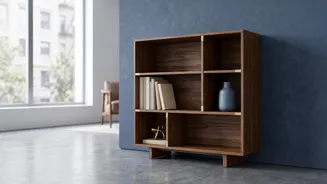
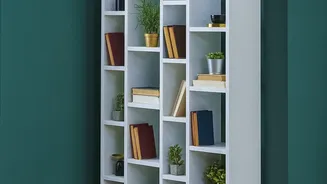
Modular furniture is a renter's best friend. Instead of a single, massive frame, modular pieces like sectional sofas or shelving units are made of separate components that can be arranged, reconfigured, or separated. This offers incredible flexibility.
A large L-shaped sofa in one apartment can become a smaller sofa and a separate chair in the next. This adaptability not only solves the problem of fitting furniture into oddly shaped rooms but also makes moving day significantly easier. Instead of wrestling an oversized piece through a narrow hallway, you move smaller, more manageable sections, reducing the risk of damage to both your furniture and your walls.
Think Multi-Functionality
In the world of adaptable furniture, pieces that serve more than one purpose are invaluable. Multi-functional furniture is especially useful for those living in smaller spaces or anyone unsure of what their next home will look like. An ottoman with built-in storage can hide away blankets and pillows. A coffee table with a lift-top can double as a desk for work-from-home days. An extendable dining table can accommodate guests without permanently taking up valuable floor space. Even sofa beds have evolved, offering genuinely comfortable sleeping options. By choosing pieces that work harder, you reduce the total number of items you need to own and move, making your life simpler and your spaces less cluttered.
Consider Weight and Materials
The material of your furniture directly impacts its weight and durability, two critical factors for any move. While solid wood is exceptionally durable, it can be incredibly heavy. For those who anticipate moving frequently, lightweight woods, aluminum, or pieces with a combination of materials can be more practical. However, be wary of cheaply made artificial woods or particleboard, which often don't survive the disassembly-and-reassembly process and can easily get damaged in transit. The goal is to find a balance: furniture sturdy enough to withstand multiple moves but not so heavy that it requires a professional team for every relocation. Look for quality construction, like solid wood frames on upholstered items, which signals a piece is built to last.
Embrace Timeless Design
Trendy furniture can be exciting, but it often falls out of style quickly. When you're buying for the long haul, a timeless design is a much safer investment. Opting for neutral colours and classic silhouettes ensures your furniture won't clash with the architectural style of your next home. A simple, well-made sofa in a grey, beige, or navy fabric will adapt to countless design schemes. You can always add personality and colour with more transient items like pillows, throws, and artwork. This approach allows your core, big-ticket items to serve as a versatile foundation that moves with you, preventing you from feeling like you need a complete overhaul every time you change your address.
Measure Everything, Then Measure Again
This might be the most crucial tip of all: measure everything. Before you buy any piece of furniture, measure the space where you intend to put it. But don't stop there. Measure the width of all doorways, hallways, and any tight corners or stairwells it will need to pass through. Many people have been defeated by a tricky stair landing or a narrow apartment elevator. It’s a good practice to keep these measurements on your phone, so you have them handy whenever you're shopping. Planning ahead prevents the heartbreaking scenario of a beautiful new piece of furniture being left on the pavement because it simply won't fit inside.