



The New Urban Reality
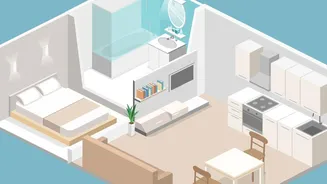
For many young professionals in cities like Mumbai, Bengaluru, and Delhi, compact living is the norm. With rising real estate prices, the average apartment size has shrunk over the past decade. This squeeze on space demands smarter solutions. Young renters,
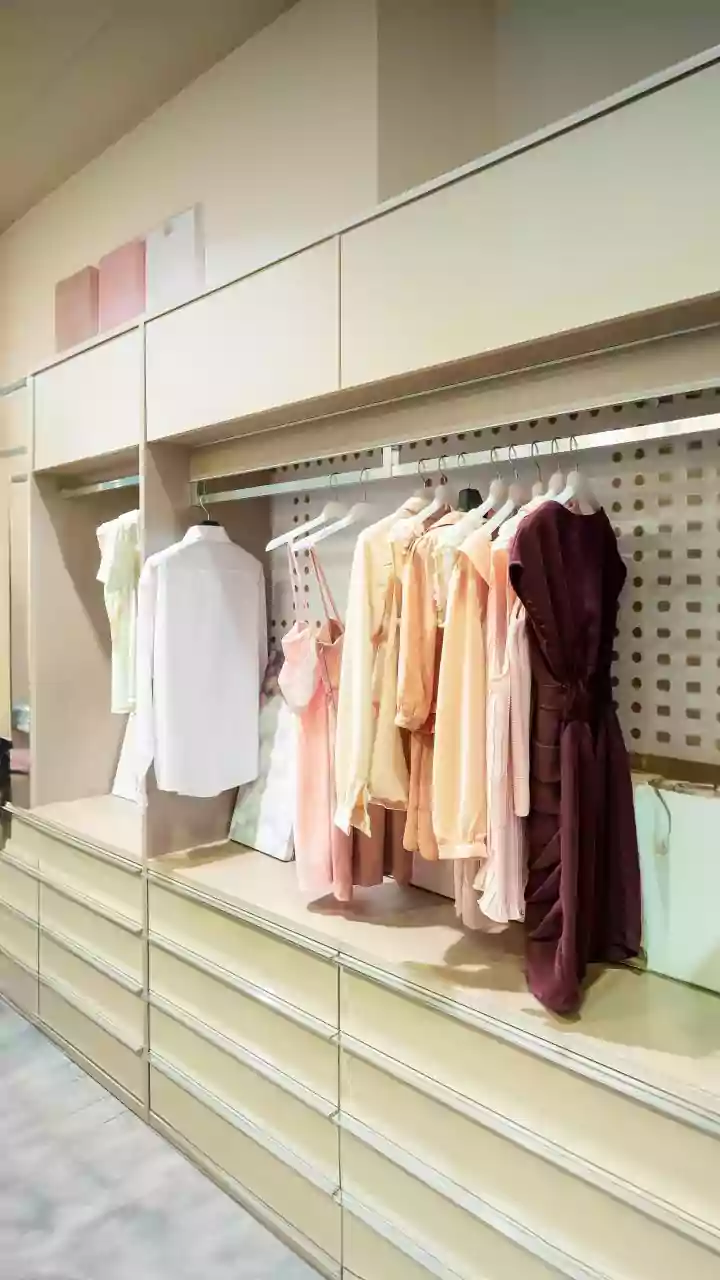
often part of Gen Z and Millennial generations, are financially savvy and lifestyle-oriented. They face the challenge of making a smaller footprint work harder without sacrificing comfort or personality. The traditional approach of filling a home with bulky, single-use furniture simply doesn't align with the need for efficiency in these modern, often temporary, living situations.
Work, Live, and Play in One Room
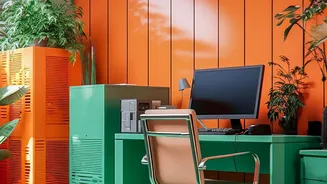
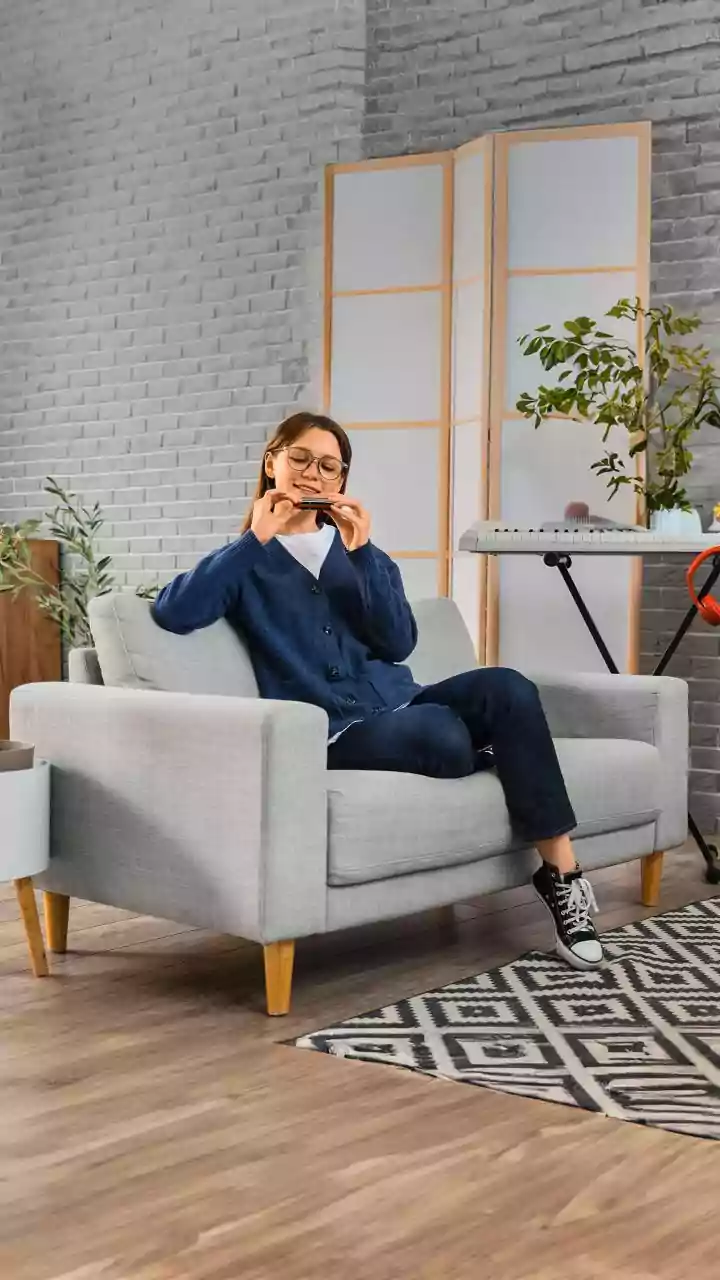
The widespread adoption of remote and hybrid work has completely transformed our relationship with home. An apartment is no longer just a place to sleep; it’s now an office, a gym, a movie theatre, and a place to entertain friends. This has fuelled a massive demand for interiors that can adapt on the fly. A living room might need to function as a professional workspace during the day and a cosy relaxation zone at night. This shift requires furniture and layouts that can transition seamlessly between different activities, making adaptability a key priority for renters.
The Magic of Multifunctional Pieces
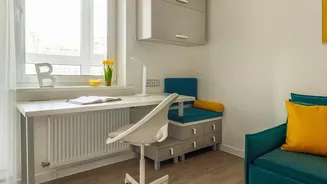
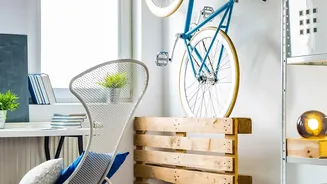
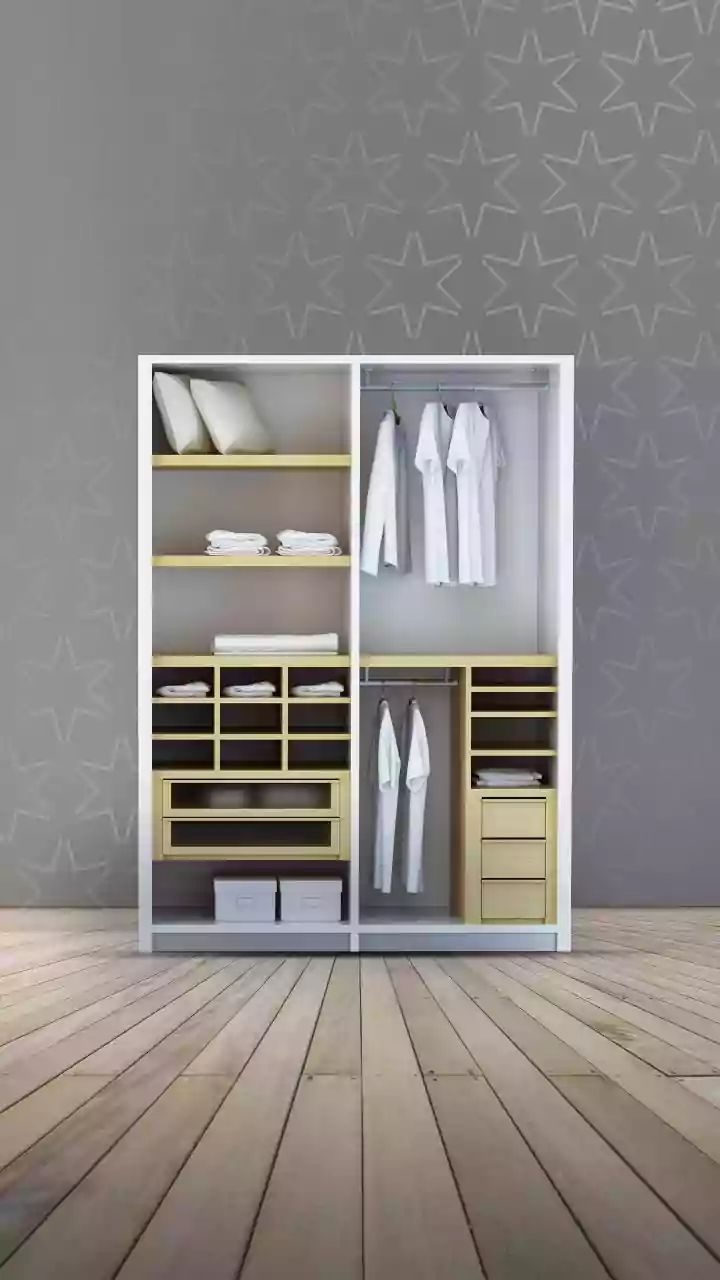
Enter the world of multifunctional furniture, the hero of the flexible interior. These are clever, space-saving pieces designed to serve multiple purposes. Think of a sofa that effortlessly converts into a comfortable bed for guests, a coffee table with a lift-top that transforms into a workstation, or an ottoman that provides extra seating while hiding clutter inside. Other popular examples include wall-mounted desks that fold away when the workday is done, and dining tables that can expand to accommodate guests and retract for daily use. These items reduce the need for multiple pieces of furniture, which not only saves precious floor space but also aligns with a more minimalist and sustainable mindset.
Personalisation Without Penalties
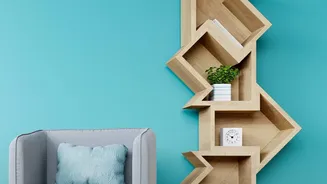
One of the biggest frustrations for renters is the inability to make permanent changes. Draconian rental agreements often forbid drilling holes, painting walls, or making any alterations that might risk the security deposit. Flexible design offers a clever workaround. It’s about using freestanding, modular, and temporary elements to inject personality. This can include using freestanding shelving units as room dividers, layering textiles like rugs and throws to add colour and texture, or using smart lighting to change the mood of a room. These renter-friendly solutions allow for a high degree of personalisation without breaking the rules, empowering tenants to make a space truly their own.
An Adaptable Mindset for a Dynamic Life
Ultimately, the embrace of flexible interiors reflects a broader shift in the values of younger generations. Prioritising experiences over possessions, and valuing mobility and adaptability, is a hallmark of the Millennial and Gen Z mindset. Many young renters aren't planning to stay in one place forever. They might move for a new job, a new relationship, or simply a new experience. Furniture that is modular, lightweight, and versatile is therefore more practical than heavy, traditional sets. This approach isn't just about saving space; it's about investing in a lifestyle that is fluid, efficient, and ready for whatever comes next.