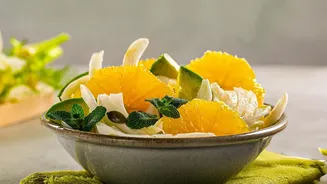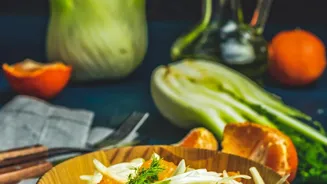




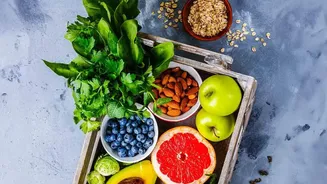
The Problem with Pre-Cut Fruits
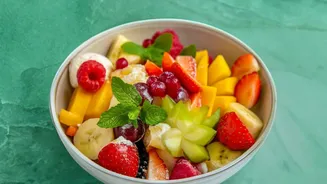
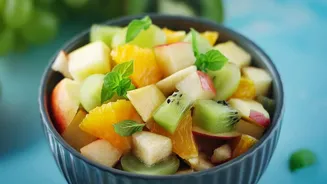
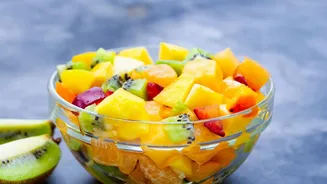
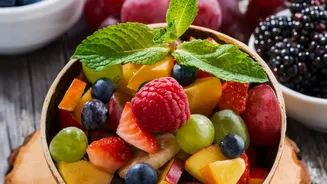
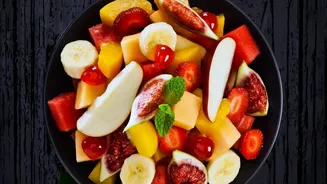
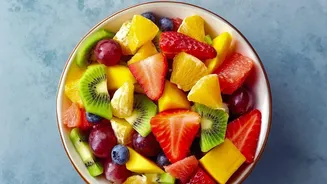
Grabbing a container of pre-cut fruit from a vendor or grocery store seems like a healthy and convenient choice. However, during the monsoon, this convenience comes with significant risks. Once a fruit's protective peel is removed, its moist, sugary surface
becomes an ideal place for airborne bacteria and germs to settle and multiply rapidly. Street vendors often use contaminated water for washing and cutting, and fruits may be exposed to dust and flies for hours. This exposure greatly increases the chance of consuming harmful pathogens that can lead to stomach infections, diarrhoea, and food poisoning. The longer the fruit sits after being cut, the higher the risk of contamination.
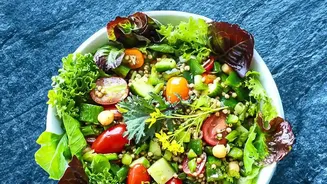
Why Raw Salads Are a Monsoon Menace
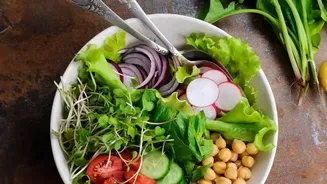
A refreshing salad might seem like a light, healthy meal, but consuming raw vegetables during the rainy season requires extra caution. Leafy greens like spinach, lettuce, and cabbage grow close to damp soil, and their many folds can trap dirt, germs, and even parasites that are difficult to wash away. The high humidity of the monsoon provides the perfect environment for these microbes to thrive. Furthermore, raw vegetables used in ready-made salads are often washed with water that may be contaminated, especially at street stalls or restaurants with questionable hygiene standards. Because they are not cooked, any bacteria present, such as E. coli or Salmonella, are consumed directly, heightening the risk of gastrointestinal issues.
The Science of Seasonal Risk
The monsoon's combination of high humidity and warmth creates a perfect storm for microbial growth. Bacteria, viruses, and fungi proliferate in this environment, causing food to spoil much faster than in other seasons. Water sources are also more susceptible to contamination from sewage and runoff, increasing the prevalence of water-borne diseases like typhoid, cholera, and hepatitis A. According to health experts, our digestive systems also tend to slow down during this season, making us more vulnerable to infections. This weakened digestion, combined with a higher environmental load of pathogens, is why foodborne illnesses spike during the rains.
Smarter, Safer Monsoon Eating
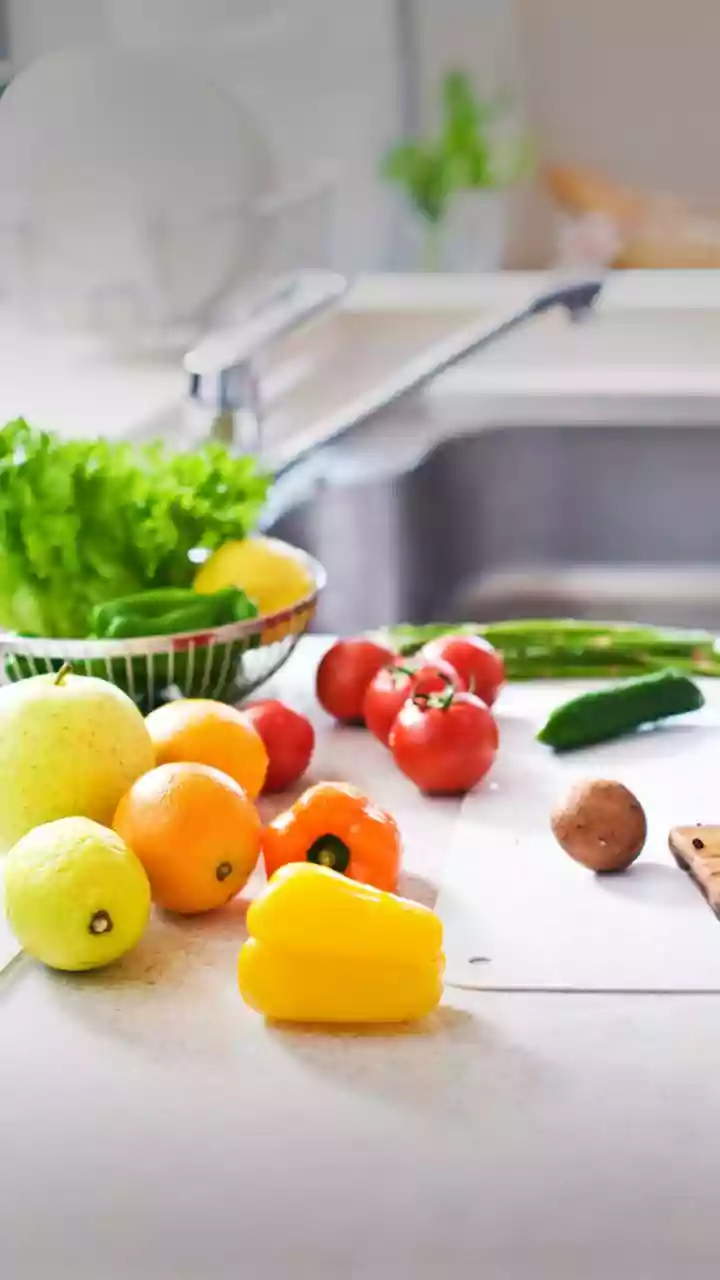
Avoiding these risks doesn't mean you have to give up fruits and vegetables. The key is to handle them with care. The safest practice is to buy whole fruits and wash them thoroughly under clean, running water at home. Cut them yourself right before you plan to eat them to minimise exposure to contaminants. When it comes to vegetables, it's best to opt for cooked preparations. Steaming or lightly cooking your vegetables before eating them can destroy most harmful germs. Choosing local, seasonal vegetables that are easier to clean, such as bottle gourd (lauki) and bitter gourd (karela), is also a wise move. Warm, freshly prepared meals like soups and khichdi are not only comforting but also much safer for your digestive system during this sensitive season.
General Food Safety Tips for the Season
Beyond avoiding pre-cut produce, a few general rules can keep you healthy. Always wash your hands with soap and water before preparing or eating food. Be cautious of all street food, especially items that use water, like chutneys and pani puri, as the water source is often uncertain. Drink only boiled, filtered, or purified water. Store any leftover food in the refrigerator promptly and reheat it thoroughly before consumption, as food left at room temperature spoils quickly in the humid weather. By being mindful of how food is prepared and stored, you can significantly reduce your risk of falling ill.