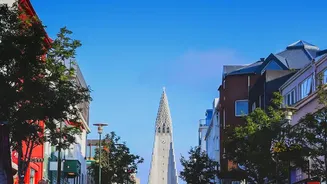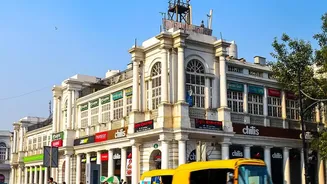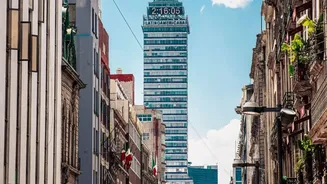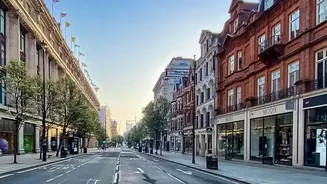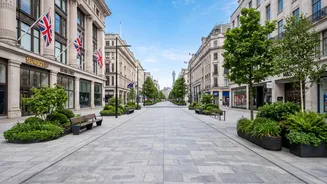






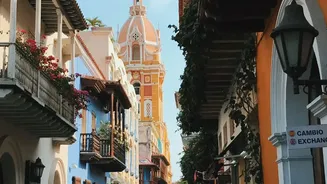
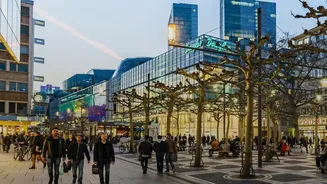

Imagine a city street without the constant noise of engines and horns. Instead, you hear conversation, music, and footsteps. Vehicle-free streets offer this reality, transforming urban spaces into destinations that visitors actively seek out.
A Retreat into Safety and Serenity
One of the
most immediate draws of a pedestrian-only street is the profound sense of peace and safety. By removing cars, these zones eliminate the primary source of urban noise and danger. Visitors can wander without constantly looking over their shoulders, allowing for a more relaxed and immersive experience. This is especially appealing for families with children, who can explore more freely. The reduction in traffic also leads to cleaner air, making a simple stroll a healthier and more pleasant activity. This transformation from a traffic corridor to a serene public space is a powerful magnet for tourists tired of navigating congested cityscapes.
Fostering Connection and Community
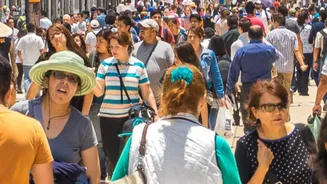
Vehicle-free streets are designed at a human scale. Without cars dominating the landscape, the focus shifts to people. These spaces naturally encourage social interaction. Strangers and locals alike are more likely to engage when they aren't separated by metal and glass. Benches, public art, and open plazas invite people to linger, transforming the street into a communal living room. For a visitor, this provides a more authentic glimpse into the local culture. You see residents meeting for coffee, children playing, and community events unfolding, creating a richer travel experience than just sightseeing from a tour bus.
A Boost for Local Economies
Contrary to the fears of some business owners, removing cars is often incredibly good for commerce. Studies have repeatedly shown that pedestrianised streets see a significant increase in foot traffic, which translates directly into higher sales for shops, cafes, and restaurants. People who walk are more likely to browse, make impulse purchases, and spend more time (and money) in an area. These streets often become destinations in themselves, hosting farmers' markets, festivals, and street performers that draw crowds and create a vibrant economic ecosystem that benefits small, local businesses.
Global Examples of Pedestrian Success
The appeal of car-free zones is a global phenomenon. In Copenhagen, Strøget, one of the world's longest pedestrian shopping streets, has been a thriving hub since the 1960s, demonstrating a longterm shift towards peoplecentric urban design. Barcelona's famous La Rambla is a vibrant boulevard where tourists and locals mingle among flower stalls, artists, and cafes. Closer to home, Indian cities are also embracing this trend. The French Quarter in Pondicherry, with its gridpattern streets and colonial architecture, offers a highly walkable experience. Similarly, projects in cities like Chennai have focused on creating pedestrianfriendly infrastructure to make streets safer and more accessible for everyone.