






The Ultimate Summer Saviour
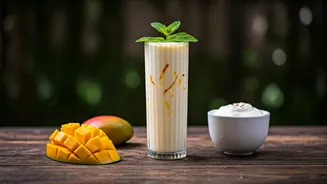
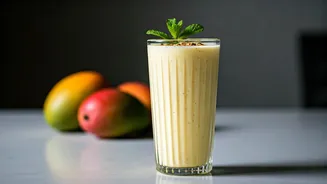
There are few pleasures as immediate and profound as the first sip of a cold mango lassi on a sweltering afternoon. It’s more than just a drink; it's a sensory reset. The oppressive heat that wilts everything in its path suddenly becomes the perfect backdrop
for this creamy, cooling elixir. [1] For generations, lassi has been the subcontinent's go-to beverage for combating scorching temperatures. [2, 12] The yoghurt base provides a soothing, probiotic-rich coolness that Ayurvedic tradition has valued for centuries, believing it to aid digestion and regulate body temperature. [5, 8] When the undisputed 'king of fruits', the mango, joins the fray, the experience is elevated from simple refreshment to a decadent treat. [12, 15] It's the taste of summer itself, captured and perfected in a glass.
A Sip of History
Lassi's origins are ancient, stretching back thousands of years to Punjab. [3, 9] Some historians consider it the world's original smoothie, born from the region's rich dairy culture and the need for a nourishing drink in a hot climate. [2, 3] While early versions were often salty (namkeen) or simply sweet (meethi), the addition of fruit was a natural evolution. [3] Given that mangoes are native to India and Southeast Asia, it was almost inevitable that the nation's favourite fruit would find its way into its most beloved drink. [3, 15] This marriage of tangy curd and sweet mango pulp created a flavour profile that feels both timeless and celebratory. [3] Traditionally served in earthy clay cups called kulhars, the drink connected people to the land and the season's bounty. [3]
The Anatomy of Perfection
What makes a truly great mango lassi? The magic lies in its simplicity and the quality of its components. It all starts with ripe, fragrant mangoes, the kind whose sweetness is so intense it perfumes the air. [16] This vibrant pulp is then blended with thick, tangy yoghurt (dahi), which provides the creamy texture and a balancing tartness. [20] A touch of sugar or honey can be added depending on the sweetness of the fruit, while a splash of milk can adjust the consistency. [15] But the secret ingredient, the one that elevates it from good to sublime, is often a pinch of ground cardamom. [8] This aromatic spice adds a subtle, fragrant complexity that cuts through the richness, making each sip refreshing and memorable. Some variations even include a hint of rose water or a strand of luxurious saffron. [14, 20]
More Than Just a Drink
In India, lassi is deeply woven into the cultural fabric. It's a symbol of hospitality offered to guests, a staple at festivals, and a comforting ritual in many households. [6, 14] While simpler, salted versions like chaas might be a daily mealtime accompaniment, mango lassi often occupies a special place as a treat. It’s the drink you have on a weekend outing, a sweet conclusion to a spicy meal, or an instant energy booster on a tiring day. [15] Its versatility is part of its charm. It can be a breakfast smoothie, a midday snack, or a dessert in its own right. [3] This adaptability has ensured its enduring popularity across generations and regions, with countless variations reflecting local tastes. [11]
A Global Ambassador for Indian Flavour
While traditional lassi in its many forms remains a cornerstone of Indian cuisine, the mango version has become a global phenomenon. [4, 7] For many outside of India, mango lassi is their first and most delicious introduction to the country's culinary heritage. [2] Its sweet, fruity, and approachable flavour made it an instant hit in Indian restaurants worldwide, serving as a perfect cooling counterpoint to spicy curries and kebabs. [4, 6] Its popularity skyrocketed in the 1990s, coinciding with the rise of fruit-flavoured yoghurts in the West, making it a familiar concept with an exotic twist. [4] Today, it’s not just a restaurant staple but a flavour celebrated in international food awards and found in bottled form on supermarket shelves, a true testament to its universal appeal. [4, 7, 10]