

The Sun’s Unseen Temper
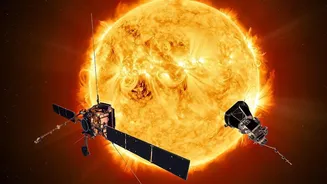
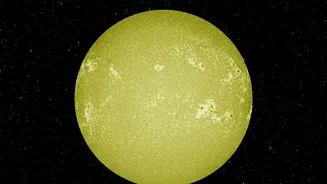
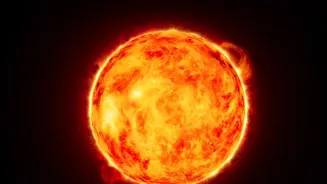
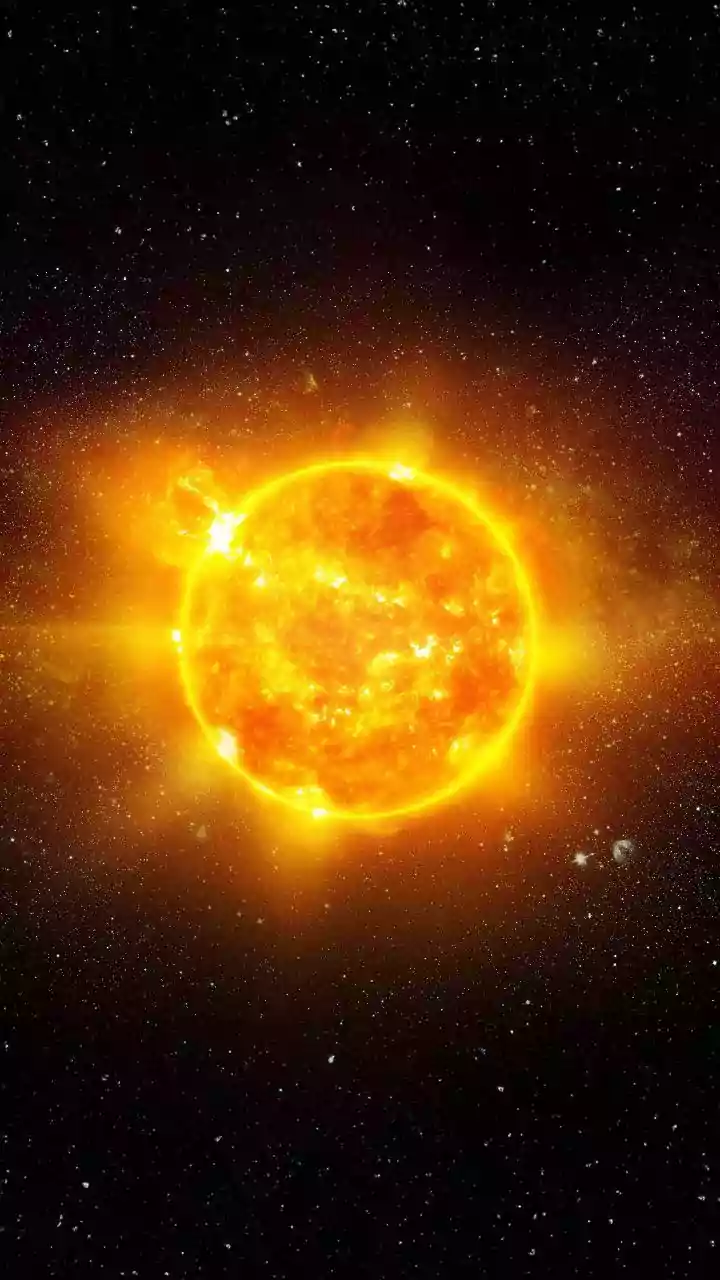
The Sun is not a placid, unchanging star. It is a dynamic and sometimes violent body with an 11-year cycle of activity. During periods of high activity, it can unleash powerful solar flares—immense explosions on its surface that release bursts of X-rays
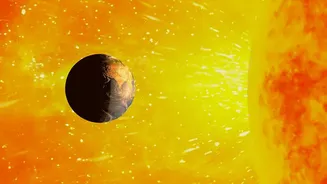
and energy. Even more impactful are Coronal Mass Ejections (CMEs), which are enormous bubbles of plasma and magnetic fields hurled into space at speeds that can exceed millions of miles per hour. While many of these events miss Earth, a direct hit can have significant consequences for our technology-dependent society. These phenomena are collectively known as space weather. Just as meteorologists forecast hurricanes on Earth, space weather forecasters monitor the Sun for these eruptions to provide advance warning.
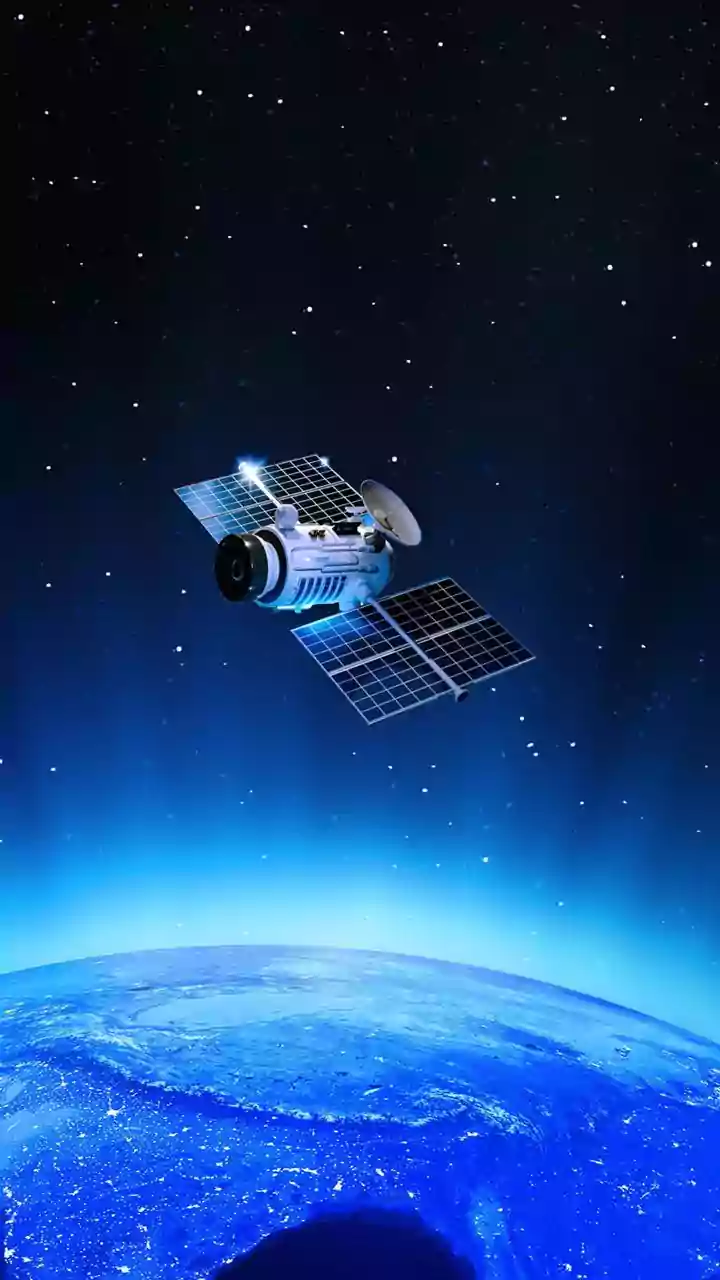
Satellites in the Firing Line
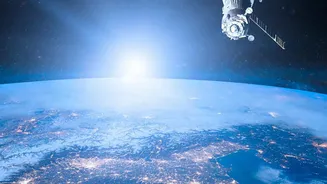
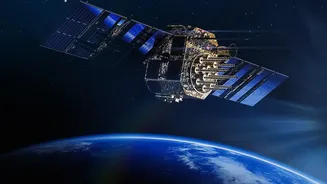
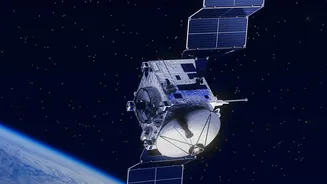
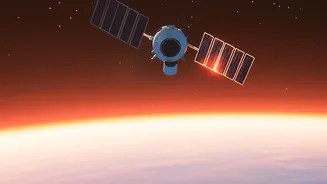
Our orbital infrastructure is particularly vulnerable to space weather. When a solar storm hits, it can impact satellites in several ways. Firstly, the storm heats and expands Earth's upper atmosphere, increasing the drag on satellites in low Earth orbit. This can cause them to lose altitude and, in severe cases, shorten their operational lifespan or even cause them to re-enter the atmosphere. Secondly, high-energy particles released during a storm can damage or disrupt sensitive satellite electronics, a phenomenon known as single-event upsets. This can cause systems to fail or enter a protective 'safe mode', interrupting service. Finally, solar radio bursts and disturbances in the ionosphere can interfere with the radio signals used for communication and GPS, leading to blackouts, inaccurate positioning, and data loss. This affects everything from aviation and maritime navigation to financial transactions that rely on precise timing from GPS.
Earth's Early Warning System
To protect against these threats, a global network of observatories constantly monitors the Sun. The leading agency for the United States is NOAA's Space Weather Prediction Center (SWPC), which functions as a national and global warning center. The SWPC uses data from ground-based telescopes and a fleet of satellites, like the Geostationary Operational Environmental Satellites (GOES) and the Deep Space Climate Observatory (DSCOVR), to provide real-time forecasts, watches, and alerts. DSCOVR, positioned 1.5 million kilometres from Earth, can detect solar wind changes about an hour before they reach our planet. Similarly, the European Space Agency (ESA) operates its own Space Weather Service Network, utilizing spacecraft like the Solar and Heliospheric Observatory (SOHO) to track CMEs and coordinate alerts across Europe. These international collaborations are crucial for providing timely warnings to satellite operators, power grid managers, and airlines, allowing them to take protective measures.
India's Vigilant Eye: The Aditya-L1 Mission
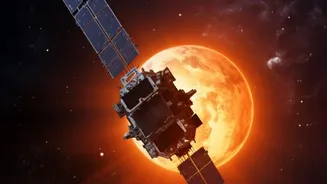
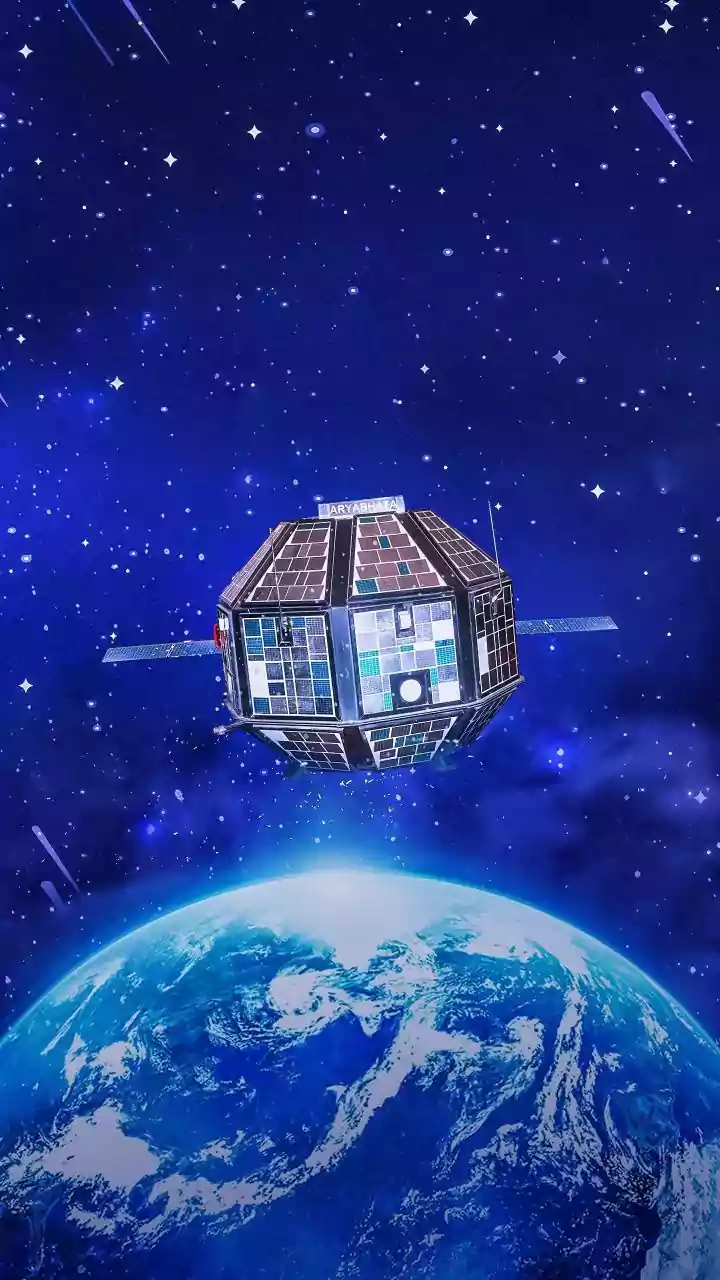
India has become a key player in solar observation with the Aditya-L1 mission, its first dedicated solar observatory. Launched by the Indian Space Research Organisation (ISRO), Aditya-L1 is strategically placed in a halo orbit at Lagrange Point 1 (L1), the same vantage point as DSCOVR. From here, it has an uninterrupted view of the Sun. The spacecraft is equipped with seven sophisticated payloads. Four of these are remote-sensing instruments that observe the Sun's atmosphere—the photosphere, chromosphere, and corona. The other three are in-situ instruments that measure particles and magnetic fields in the solar wind directly. This dual capability allows Aditya-L1 to study the origins of CMEs and other solar phenomena, providing critical data for understanding and forecasting space weather events that could impact India and the world. Recent studies using its data have already provided new insights into how solar storms interact with Earth's magnetic field.
The Race for Better Forecasts
As our reliance on satellite technology grows, so does our vulnerability to space weather. The potential economic impact of a severe solar storm is estimated to be in the trillions of dollars, capable of disrupting power grids, communications, and supply chains for months. This high-stakes environment is driving a race for more accurate and timely forecasting. Researchers and agencies are developing advanced physics-based prediction models, like the WSA-Enlil model used by SWPC, which simulates how CMEs travel through space. There is also increasing use of artificial intelligence to analyze vast amounts of solar data and identify patterns that may precede a major eruption. The goal is to extend the warning window from hours to days, giving society more time to prepare for a potentially disruptive solar event. Recent solar activity in August 2026, including a series of M-class flares, has underscored the constant need for this vigilance.