






Why September's Rain Matters So Much
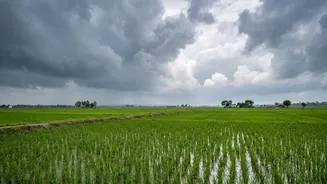
The Southwest monsoon, which runs from June to September, delivers about 70-75% of India's annual rainfall. While June and July are crucial for sowing Kharif (summer) crops, September provides the vital 'finishing touch'. This late-stage rain is essential
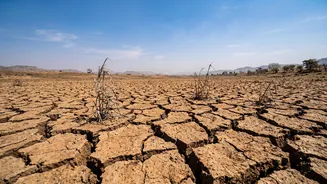
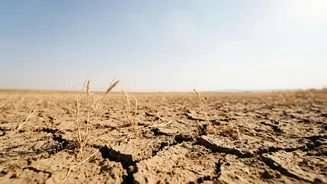
for the growth and maturation of standing crops like rice, pulses, and oilseeds. Without adequate moisture during this period, yields can be significantly reduced, even if sowing was successful earlier in the season. Furthermore, September's rainfall is critical for replenishing soil moisture and filling reservoirs, which are essential for the subsequent Rabi (winter) crop, particularly wheat and rapeseed. As of late August 2026, the monsoon was already running a deficit of around 13%, making the final month's performance even more critical.
The Crops on the Line
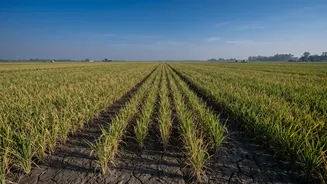
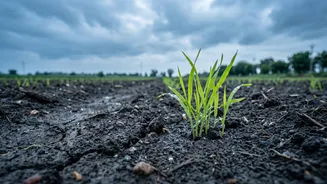
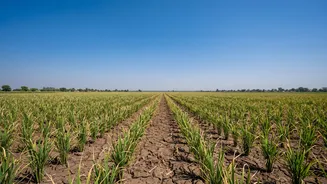
A dry September doesn't affect all crops equally. Rice, a water-intensive crop and a Kharif staple, is particularly vulnerable. As of late August, paddy sowing was already trailing last year's figures due to uneven rains. A lack of September showers could further stress the crop during its critical reproductive phase. Other key crops at risk include pulses (like tur and urad), oilseeds (like soybean), and coarse cereals. While Kharif sowing has recovered from a severe deficit earlier in the season, total acreage remains slightly below last year's levels. Analysts caution that sowing figures alone don't guarantee a good harvest; the final yield is highly dependent on late-season weather.
From the Farm Gate to Your Wallet
The chain reaction from poor rainfall to your finances is direct. Lower crop yields mean reduced supply arriving in agricultural markets (mandis). This supply-demand mismatch puts upward pressure on wholesale food prices. Eventually, this trickles down to the retail level, increasing the cost of daily essentials like rice, dal, and cooking oil for consumers. Economists note that the full impact on food prices often appears with a lag, becoming more visible after the harvest is complete. Experts are already concerned about rising food prices, which could push overall consumer price inflation to 5.5% or higher for the financial year if September rains fail.
The Ripple Effect on the Broader Economy
The impact of a weak monsoon extends far beyond the agricultural sector. Lower farm output directly affects rural incomes, which in turn dampens rural demand. This can lead to slower sales for everything from tractors and two-wheelers to everyday consumer goods. More significantly, rising food inflation poses a major challenge for the Reserve Bank of India (RBI). The central bank has been trying to keep inflation in check, but a spike in food prices could force it to consider raising interest rates. Such a move would make loans more expensive for everyone, potentially slowing down overall economic growth. The RBI has already flagged a below-normal monsoon as a key risk to India's economic stability.
What to Watch for Next
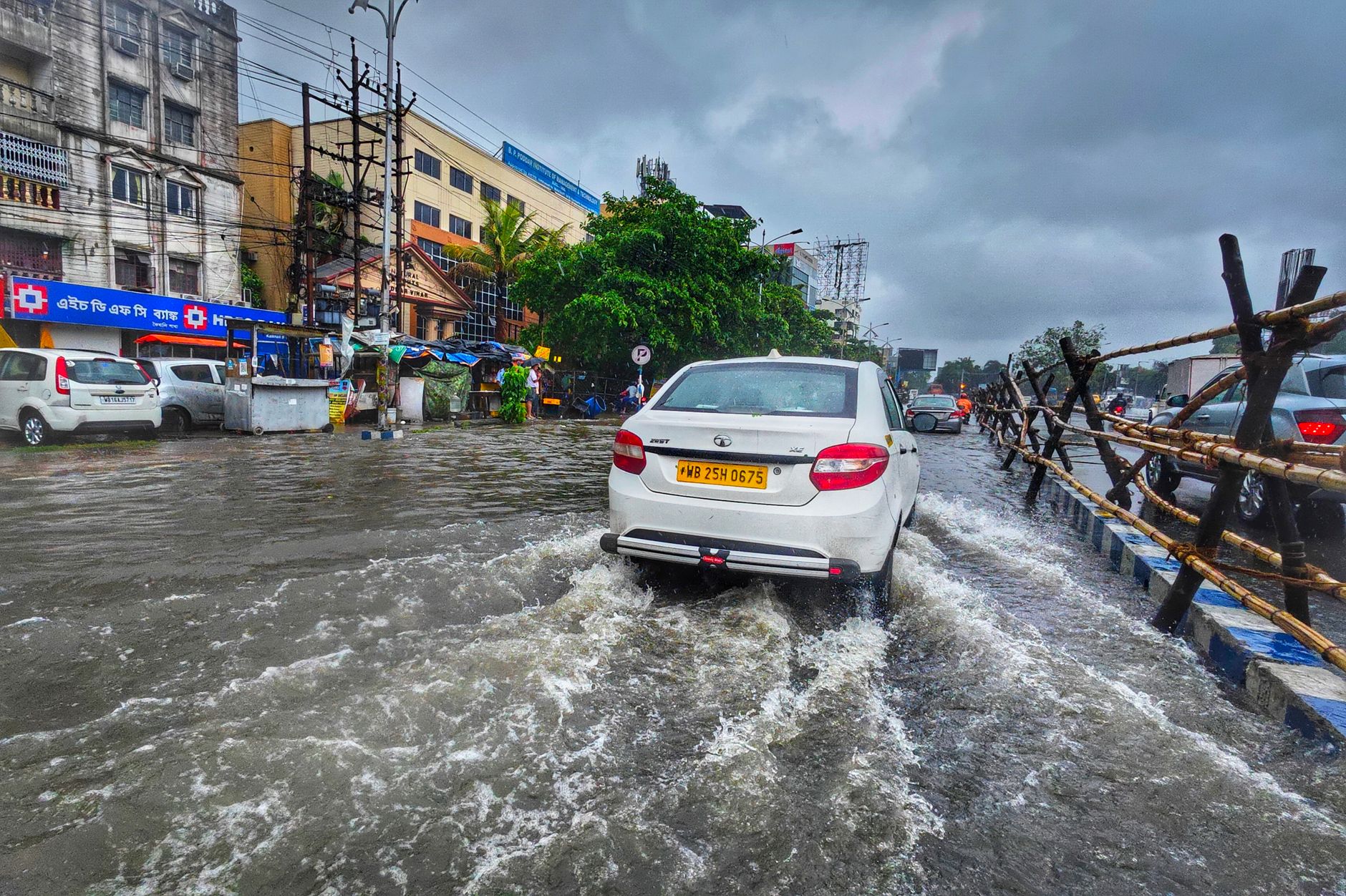
The performance of the monsoon in September, which is forecast to be below normal due to strengthening El Niño conditions, is now the most critical variable for the Indian economy. The India Meteorological Department's official forecast for the month will be closely watched by farmers, policymakers, and markets alike. A low-pressure area at the end of August is expected to bring some rain to eastern and central India, but subdued rainfall is likely to continue over peninsular India. Key indicators to monitor in the coming weeks and months will include final harvest estimates, water levels in major reservoirs, and monthly inflation data. These will provide the clearest picture of how this season's monsoon has truly shaped the nation's economic fortunes.