








Our Relationship With Work Was Redefined
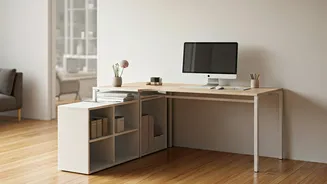
For decades, the default was a five-day commute to a central office. The pandemic didn’t just challenge this model; it shattered it. Suddenly, millions of Indians discovered that productive work wasn’t tied to a specific location. This forced experiment
with remote and hybrid models became a permanent feature for many, leading to a profound re-evaluation of work-life balance. More than just saving time on traffic, it allowed for a new kind of integration. It meant being home for lunch with family, squeezing in a workout between meetings, or being present for a child’s school event without taking a half-day off. This wasn't about working less, but working smarter and reclaiming the hours that were previously lost to the rigid structures of traditional office life. The power dynamic shifted, with employees now placing a premium on flexibility, autonomy, and well-being.
Wellness Became a Non-Negotiable Priority
Before the global health crisis, wellness was often treated as a luxury—something to be fitted in ‘if there was time’. The pandemic changed that. Faced with unprecedented stress and uncertainty, we were collectively reminded that our mental and physical health is the foundation upon which everything else is built. It was no longer about occasional gym visits or fad diets. Instead, wellness became a daily practice. We saw a surge in home workouts, a renewed interest in yoga and meditation apps, and a greater public conversation around mental health. People started prioritising sleep, taking 'mental health days' more seriously, and learning to set boundaries to protect their energy. This shift moved self-care from a self-indulgent buzzword to an essential act of self-preservation.
We Rediscovered the Power of Hobbies
When the endless scroll of social media and binge-watching TV series began to feel hollow, people turned inwards and outwards—to their hands and their homes. There was a remarkable resurgence of tangible, skill-based hobbies. Sourdough starters bubbled on kitchen counters, balconies were transformed into lush gardens, and dusty paint sets were brought back to life. People learned to knit, play the guitar via YouTube tutorials, or took up woodworking. These were not just ways to pass the time; they were acts of creation in a time of consumption, offering a sense of control and accomplishment when the world outside felt chaotic. This return to analogue pleasures provided a much-needed counterbalance to our screen-saturated lives, reminding us of the simple joy of making something with our own hands.
Community and Localism Found New Meaning
As our worlds shrank to the size of our neighbourhoods, our appreciation for them grew. The ‘local’ became our universe. We paid more attention to the small businesses in our localities, from the corner kirana store to the neighbourhood cafe, understanding that our support was their lifeline. Community bonds strengthened. Neighbours who were once strangers became sources of support, sharing groceries, checking in on the elderly, and forming WhatsApp groups to coordinate help. This hyperlocal focus fostered a deeper sense of belonging and interdependence. It was a powerful reminder that while we are globally connected, our immediate strength and resilience often come from the people and places closest to us.
Consumption Became More Conscious
The disruption to global supply chains and the inability to browse malls forced a shift in our shopping habits. With more time for reflection and less social pressure to ‘keep up’, many began to question their patterns of consumption. The focus moved from quantity to quality, from trend-driven impulse buys to thoughtful, intentional purchases. We started asking more questions: Do I really need this? Where does it come from? Will it last? This led to a growing interest in sustainable brands, secondhand shopping, and minimalism. It was a move away from using shopping as entertainment and towards seeing it as a series of conscious choices that reflect our values. This reset helped many declutter not just their closets, but their minds, freeing up financial and mental resources for things that truly matter.