





Why the Monsoon Is So Critical
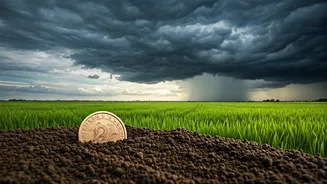
The southwest monsoon, which delivers about 70% of India's annual rainfall, is the backbone of its $300 billion agricultural economy. This four-month season is vital because nearly half of the country's workforce is employed in agriculture, and a significant
portion of farmland lacks irrigation, making it entirely dependent on rain. A healthy monsoon replenishes reservoirs and groundwater, ensuring water availability for drinking and irrigation long after the rains have passed. When rainfall is timely and abundant, it supports strong crop output, keeping food supplies steady and prices in check. Conversely, a poor monsoon can trigger a domino effect, impacting rural incomes, consumer spending, and national economic growth.
An Anxious Start to the 2026 Season
The 2026 monsoon has had a concerning start. As of late June, the country faced a significant rainfall deficit, reported to be around 43% below normal. The India Meteorological Department (IMD) has forecast a "below-normal" monsoon for the year, a prediction influenced by the development of El Niño conditions in the Pacific Ocean, which typically suppress rainfall over India. Agriculture Minister Shivraj Singh Chouhan has warned that the weak spell could continue into early July, a critical period for the sowing of kharif (summer) crops. While a weather system is expected to bring some revival, the overall outlook for the June-September season remains muted, with forecasts suggesting it could be the weakest monsoon in over a decade.
From Fields to Kitchens: The Price Impact
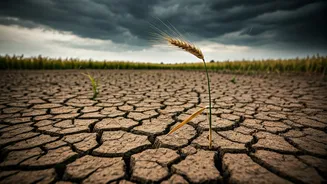
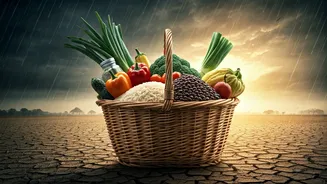
A weak monsoon directly threatens the production of major kharif crops. Deficient rainfall can lead to lower yields for staples like rice, pulses (such as tur and moong), soybeans, cotton, and sugarcane. This translates to tighter supply in the markets, which inevitably pushes prices up. Economists warn that vegetables, pulses, and edible oils are particularly vulnerable to price hikes if the rainfall shortage persists. While the impact on consumers may not be immediate, price increases for essential items often become noticeable by late autumn as the true scale of the harvest shortfall becomes clear. Some analyses suggest a 10% deficit in rainfall could add as much as a full percentage point to headline inflation, driven primarily by rising food costs.
The Broader Economic Ripple Effect
The consequences of a poor monsoon extend far beyond the grocery bill. Lower agricultural output can depress rural incomes, leading to reduced spending on goods like tractors and motorcycles, which can in turn impact the FMCG sector. Rising food inflation also presents a challenge for the Reserve Bank of India (RBI). While the central bank has held interest rates steady, it is closely monitoring the monsoon's performance. Persistent food price pressures could force the RBI to take a more hawkish stance to keep overall inflation within its target range, potentially slowing broader economic activity.
Can the Shock Be Cushioned?
The government is not standing by idly. It has identified 315 districts as vulnerable to below-normal rainfall and is preparing contingency plans. These plans include advising farmers to switch to alternative, less water-intensive crops like pulses and oilseeds and promoting the use of drought-tolerant seed varieties. India also has a significant buffer in the form of ample government stocks of rice and wheat, which can be deployed to stabilize prices. However, economists caution that these reserves do not cover all commodities, and crops like pulses and oilseeds remain exposed. The Ministry of Agriculture has expressed optimism, citing improved irrigation infrastructure and water reservoir levels as factors that could limit the negative impact compared to previous El Niño years.