




From Sightseeing to Tasting
Travel priorities are shifting. A 2026 Skyscanner report found that for Gen Z travellers, food is the single most important factor when picking a vacation destination. This generation, along with millennials, is increasingly trading sprawling, anonymous
resorts for smaller towns with big culinary personalities. The motivation is no longer just to see new places, but to taste them. This trend, often called culinary tourism, is about exploring a destination's culture, history, and identity through its local cuisine. It's a move away from the standardised menus of large hotel chains and toward experiences that feel specific and rooted in place.
The Quest for Authenticity
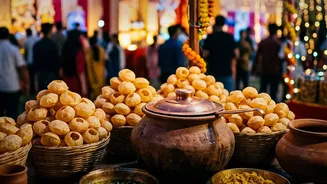
At its heart, this trend is a search for authenticity. Young travellers are driven by a desire for genuine connection and experiences that feel real. A meal becomes more than just sustenance; it’s an entry point into a local culture. Eating 'laal maas' at a heritage stay in Rajasthan where the chef shares his grandmother's recipe, or sampling 'tamatar chaat' from a street vendor in Banaras, offers a story and a memory that a resort dinner cannot. This pivot toward hyper-local food, from street food stalls to convenience store snacks—a phenomenon dubbed 'snackpacking'—is a rejection of the generic in favour of the unique. According to an American Express report, an overwhelming 89% of Millennial and Gen Z travellers say trying local snacks is an essential part of their travel experience.
Social Media's Role in Discovery
It's impossible to discuss youth travel trends without mentioning social media. Platforms like Instagram and TikTok have become powerful discovery engines for food and travel. A visually stunning photo or a viral video of a unique local dish can instantly put a little-known town on the map for thousands of potential visitors. This digital word-of-mouth creates a feedback loop: travellers seek out photogenic, unique food experiences to share online, which in turn inspires others to visit. It’s not just about fine dining; it's about finding that specific street vendor in Amritsar known for the best kulchas or the hidden bakery in Thalassery that claims to have baked India's first plum cake. The social currency of a unique food find often outweighs that of a generic beach photo.
Good for the Palate, Good for the Wallet
This shift also makes strong economic sense. Choosing an underrated town and exploring its local food scene is often more affordable than a package holiday at a mainstream resort. For a generation that prioritises experiences over possessions, this is a major draw. Furthermore, it channels tourist spending directly into local economies, supporting small, family-run dhabas, independent cafes, and local food producers rather than large corporations. This conscious form of tourism appeals to a generation that is increasingly aware of its economic and social impact. By choosing to eat locally, travellers are not just getting a better meal; they are contributing to the sustainability of the communities they visit.
Putting Underrated Towns on the Map
Across India, this trend is bringing new life to towns that were previously overlooked. Destinations are no longer just competing on historical sites or natural beauty; they are developing their unique culinary identities to attract visitors. Towns like Shillong, with its flavourful pork and rice dish 'Jadoh', or the Chettinad region of Tamil Nadu, famous for its fiery cuisine, are becoming destinations in their own right because of their food. This focus on regional gastronomy allows smaller places to shine, offering a distinct identity that sets them apart from the more homogeneous offerings of major tourist hubs. As travellers continue to seek out these unique flavours, more hidden gems are bound to emerge as the next must-visit foodie hotspots.