








The Great Burnout Backlash
The modern Indian workplace is a high-pressure environment. Long commutes, demanding targets, and the ‘always-on’ culture fuelled by smartphones have created a perfect storm for professional burnout. Post-pandemic, there’s a growing awareness that the traditional
boundaries between work and life have not just blurred but completely dissolved for many. Employees are mentally and emotionally exhausted from staring at screens all day, navigating back-to-back virtual meetings, and feeling the pressure to be perpetually productive. This chronic stress isn't just a personal problem; it’s a systemic issue leading to decreased motivation, higher attrition rates, and a collective search for genuine release, not just temporary distraction.
Beyond the Free Samosas and Yoga Mats
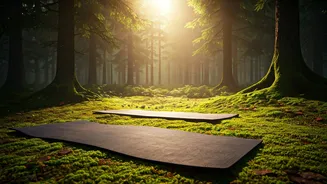
For years, corporate wellness was about surface-level perks: a gym membership, a well-stocked pantry, or a one-off yoga session. While well-intentioned, these solutions often fail to address the root cause of employee stress. A ‘slow mindful sunset decompression event’ represents a significant evolution in this thinking. It’s not another task to be checked off a wellness list. Instead, it’s a deliberate move away from structured, goal-oriented activities. The value isn’t in achieving something, but in the shared experience of doing nothing—of simply being present. It acknowledges that the cure for hyper-connectivity and information overload is not more engagement, but intentional disengagement.
The Science of Awe and Stillness
There’s a powerful neurological and psychological reason why watching a sunset feels restorative. It’s a simple, universal activity that inspires a sense of awe. Studies show that experiencing awe can decrease stress, reduce impatience, and increase feelings of connection to others and the world around us. These events tap into our innate biophilia—the human tendency to connect with nature. By shifting focus from a brightly lit screen to the gentle, changing colours of the sky, the brain is given a chance to reset. The ‘slow’ and ‘mindful’ elements encourage employees to step out of the frantic rhythm of their minds and into the present moment, reducing the cortisol levels associated with stress and promoting a state of calm alertness.
Rebuilding Bonds in a Low-Pressure Setting
Hybrid and remote work models have changed the way colleagues interact. The spontaneous ‘water cooler’ conversations that once built camaraderie have been replaced by scheduled, transactional video calls. Team-building exercises can often feel forced and add another layer of performance anxiety. Sunset decompression events offer a powerful alternative. Gathering to watch a sunset is a passive, non-competitive activity that puts everyone on an equal footing. It fosters a different kind of connection—one based on a shared, quiet experience rather than a work-related goal. These moments of collective stillness can rebuild trust and rapport in a more organic and meaningful way than any structured corporate retreat ever could.
A Smart Investment in Human Capital
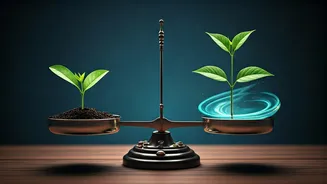
Forward-thinking companies are beginning to understand that these events are not an indulgence but a strategic investment. An employee who feels genuinely cared for, rested, and connected to their colleagues is more likely to be creative, engaged, and loyal. By facilitating opportunities for genuine decompression, organisations are not just improving well-being; they are building a more resilient and sustainable work culture. The return on investment is seen in lower employee turnover, increased collaborative problem-solving, and a workforce that is mentally equipped to handle challenges without succumbing to burnout. It signals a shift from a culture of extraction, which drains employees, to one of regeneration, which helps them thrive.