



Decoding the 'Affordable' Claim
Let's address the big question first: Bhutan's reputation for being pricey. This is largely due to its Sustainable Development Fee (SDF), a daily levy paid by tourists. For most international visitors, this fee is USD $100 per day. However, for Indian
nationals, the story is wonderfully different. The SDF is a much more accessible ₹1,200 per person, per night. When you consider that this fee directly funds Bhutan's free healthcare, education, and extensive environmental conservation projects, it feels less like a tax and more like a contribution to the very magic you've come to experience. Compared to the peak season prices of many domestic hill stations, a well-planned trip to Thimphu can offer far greater value, delivering a truly international experience with a manageable budget. The key is planning ahead for flights or road travel, and booking accommodations that fit your price point, of which Thimphu has plenty.
Sustainability That's More Than a Buzzword
In Bhutan, sustainability isn't a marketing gimmick; it's a national policy woven into the fabric of life. The country's famous ‘High Value, Low Volume’ tourism model is designed to protect its pristine environment and unique culture from the pressures of mass tourism. As a visitor, you feel this immediately. The air in Thimphu is crisp and clean. The streets are orderly and notably free of traffic lights—traffic is directed by the graceful gestures of police officers. The kingdom is constitutionally mandated to maintain at least 60% of its land under forest cover; it currently exceeds this at over 70%. Bhutan is not just carbon neutral; it's carbon negative, absorbing more carbon dioxide than it produces. This commitment, funded in part by your SDF, means your vacation actively supports the preservation of one of the world's last great Himalayan wildernesses. You aren't just a tourist; you're a partner in conservation.
Thimphu: A Capital of Calm and Culture
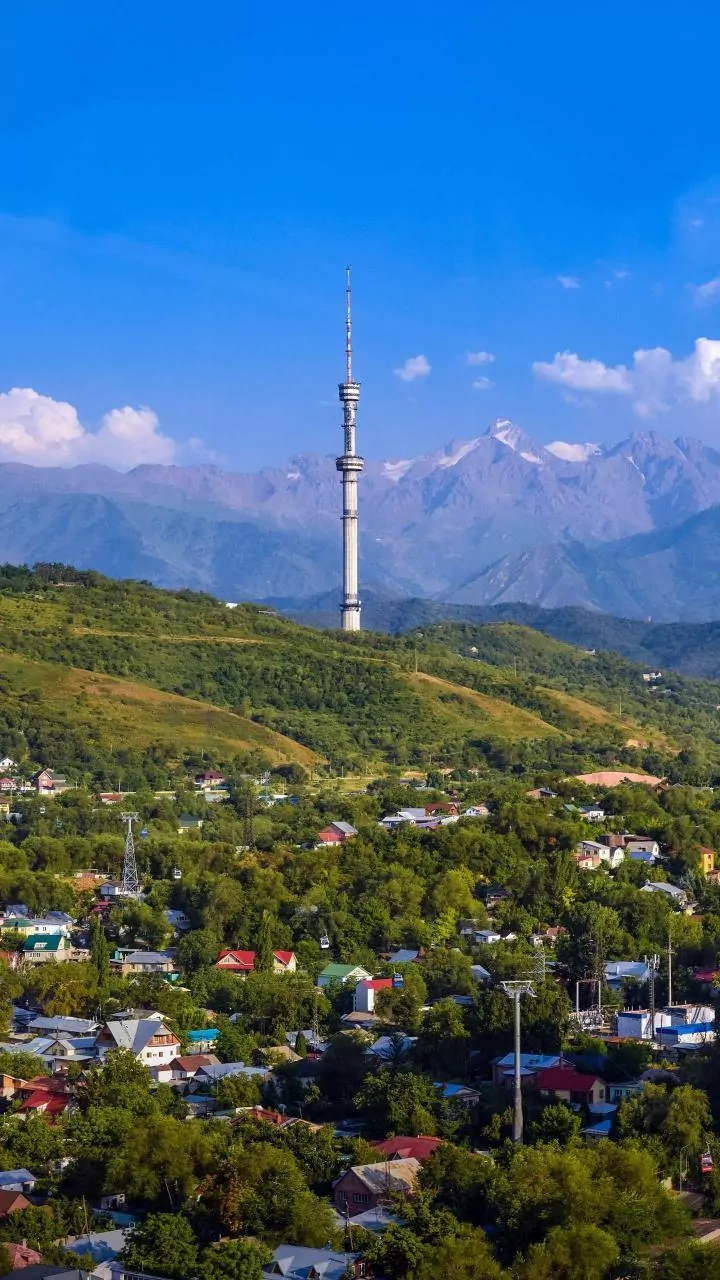
Thimphu is unlike any other capital city. Nestled in a valley, it balances administrative functions with a deeply spiritual and unhurried pace. Your days here can be as relaxed or as full as you wish. A must-visit is the magnificent Buddha Dordenma statue, a giant golden Buddha that sits atop a hill, offering panoramic views of the valley. Explore the Tashichho Dzong, a stunning fortress that houses the throne room of the King of Bhutan and serves as the nation's administrative seat. For a taste of local life, wander through the Centenary Farmers' Market, a vibrant hub where farmers from all over the country sell their organic produce. Don’t leave without trying the national dish, Ema Datshi (chillies and cheese), a fiery and delicious introduction to Bhutanese cuisine. The city is also a great place to shop for authentic handicrafts, from intricate textiles to hand-carved wooden masks.
Practical Steps for Your Bhutan Trip
Getting to Thimphu is straightforward for Indian travellers. You can fly directly to Paro International Airport—the country's only international airport—from cities like Delhi, Kolkata, and Bagdogra. From Paro, it’s a scenic 90-minute drive to Thimphu. Alternatively, you can travel by road. The most common entry point is through the border town of Phuentsholing in West Bengal. Once you cross into Bhutan, you can hire a taxi for the picturesque five-hour journey to the capital. Indian nationals need a permit to enter Bhutan, which can be obtained at the border or in advance through a registered Bhutanese tour operator. While you're no longer required to book an all-inclusive package, engaging a local operator can streamline your trip, handling permits, transportation, and hotel bookings, allowing you to simply immerse yourself in the experience.