





An Evolution of a Beloved Ritual
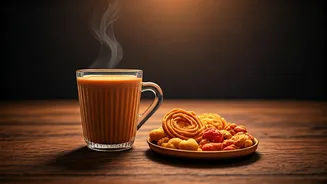
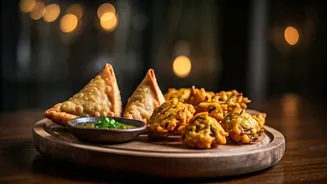
The pairing of chai and snacks during the monsoon is more than just a habit; it's a cultural institution. It’s a time for family and friends to gather, share stories, and find comfort from the downpour outside. While a simple plate of pakoras or samosas
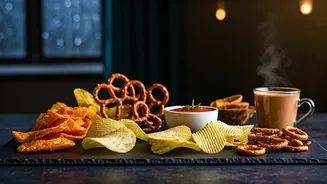
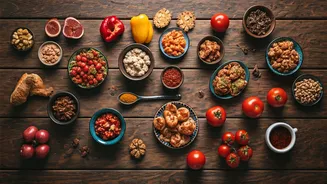
has always been the star, a new trend is taking over social feeds and gatherings: the Monsoon Snack Board. Inspired by the global charcuterie board phenomenon, this is a distinctly Indian take, transforming a simple snack time into a shareable, visual feast. It’s not about replacing tradition but celebrating it with abundance and creativity. The board becomes a canvas for the diverse and delicious world of Indian monsoon snacks.
The Fried and Fabulous Classics
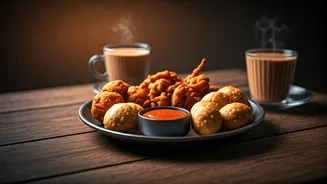
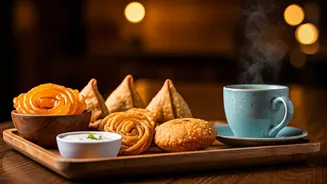
No monsoon board is complete without the quintessential fried delicacies that we all crave when the skies turn grey. These are the non-negotiables, the snacks that evoke nostalgia and pure comfort. Start with an assortment of pakoras—onion, potato, spinach, and even paneer fritters provide a variety of textures and flavours. Next, add the king of all snacks: the samosa, with its flaky pastry and spicy potato filling. For a true taste of street-style indulgence, include bread pakora, a spicy potato mixture stuffed between bread slices and deep-fried to golden perfection. These classics form the hearty, soulful base of your platter.
Steamed, Savoury, and Light
To balance the richness of the fried items, incorporate some lighter, steamed snacks. These provide a wonderful contrast in texture and taste. Soft and spongy dhokla or the delicate, rolled khandvi from Gujarat are excellent choices. Moong dal chilla, a savoury pancake made from lentils, offers a healthy yet delicious protein-packed option. Even momos, which have been wholeheartedly adopted into India's street food culture, can find a happy home on a monsoon board, served with a fiery dipping sauce. These lighter bites ensure there's something for every palate and preference, making the board more dynamic and less overwhelming.
A Touch of Regional Flavour
India's culinary diversity is one of its greatest strengths, so why not let your board reflect that? Add snacks from different regions to make it more interesting. From Maharashtra, the crispy Kothimbir Vadi (coriander fritters) or sabudana vada are fantastic choices. From the South, consider Parippu Vada, a crunchy lentil fritter from Kerala that is a beloved tea-time snack. Mumbai's iconic Vada Pav, in a mini version, can also be a fun and filling addition. Including these regional specialties not only makes your board more unique but also tells a richer story of India's monsoon food traditions.
The Essential Dips and Chutneys
A snack board is only as good as its dips. Chutneys are the soul of an Indian snack platter, providing the tangy, spicy, and sweet notes that tie everything together. A trio of classic chutneys is a must: a fresh and zesty mint-coriander chutney, a sweet and tangy tamarind-date chutney, and perhaps a fiery garlic or tomato chutney for those who like extra heat. Serving them in small bowls across the board adds pops of colour and allows guests to customize each bite. Don't be afraid to include a creamy dip too, like a simple spiced yogurt or raita, to offer a cooling counterpoint to the spicier elements.
Assembling Your Masterpiece
Presentation is what elevates a collection of snacks into a stunning board. Start with a large wooden or slate board as your base. Place your chutneys in small bowls first, spreading them out. Next, arrange the larger items like samosas and bread pakoras. Fill in the gaps with your pakoras, vadas, and other snacks. Think about creating visual interest by grouping items with different shapes and colours next to each other. Finally, tuck in smaller items like masala peanuts, roasted cashews, or even some fresh fruit like grapes to fill any empty spaces and add another layer of texture and flavour. The goal is to create a look of effortless abundance that invites everyone to dig in.