








The Annual Vacation’s Fading Charm
For generations, the annual vacation was a non-negotiable ritual. It involved coordinating leave across the family, complex bookings, and significant financial planning. However, in today's fast-paced world, this model is showing its age. The sheer logistics
of organising a long break can be daunting. Aligning work schedules, school holidays, and personal commitments for a two-week block is a challenge. Moreover, the 'always on' work culture makes it difficult for many professionals to truly disconnect for an extended period, creating pre-trip stress and post-trip anxiety about the mountain of work waiting for them.
The Rise of the 'Micro-Vacation'
Enter the 'micro-vacation', a short trip of two to four days, often planned around a weekend. This trend, also dubbed 'holiday snacking', is reshaping India's travel landscape. Recent reports highlight a significant shift; a Scapia report noted the emergence of a “Micro Holiday Economy” where travel is a lifestyle choice, not a once-a-year event. An Airbnb survey found that 87% of Indian Gen Z travellers prefer shorter trips, with seven in ten choosing multiple short getaways over one long holiday. These trips aren’t just about escaping routine; they're about frequent, manageable doses of rest and novelty.
Technology: The Great Enabler of Spontaneity
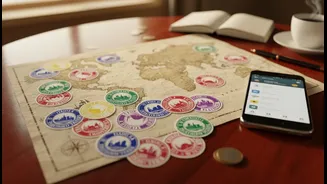
A huge driver behind this trend is technology. Travel apps have democratised planning, turning what was once a complex process into a few taps on a smartphone. Platforms like Skyscanner and Ixigo allow for instant flight comparisons, while apps like MakeMyTrip, Goibibo, and Booking.com offer a vast inventory of hotels with flexible booking options. This digital ecosystem makes last-minute planning not just possible, but easy. More than a third of domestic flights are now booked within three days of departure, and many weekend staycations are booked on the same Friday guests check in, a testament to the power of impulsive travel planning.
The Financial and Psychological Edge
While a long vacation requires a substantial one-time financial commitment, micro-vacations spread the cost throughout the year, making travel feel more accessible. Interestingly, shorter doesn't mean cheaper in terms of quality. Data shows travellers are often spending more per night on premium experiences, with 62% of hotel bookings for four- and five-star properties. Psychologically, the benefits are even clearer. Research shows that the positive effects of a vacation tend to fade within a week of returning to work. Shorter, more frequent breaks provide regular 'mental resets', which can be more effective at reducing stress and preventing burnout than a single, long trip. The anticipation of multiple upcoming trips throughout the year also contributes to sustained happiness.
A New Definition of 'Getting Away'
The micro-vacation trend reflects a broader shift in how we perceive travel and leisure. It's no longer about how long you are away, but the quality and frequency of the experience. Modern travellers, particularly younger generations, prioritise unique, personal trips over ticking off famous landmarks. The rise of hybrid work models also plays a role, allowing people to blend work and leisure by extending a short break with a couple of remote-work days. This new travel lane is short, soulful, and story-rich, perfectly suited to the rhythms of modern Indian life.