

Why Winter Trekking Demands Careful Planning
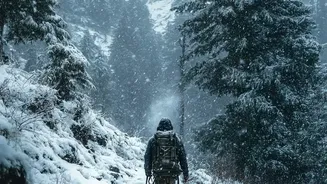
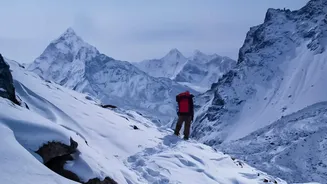
A winter trek is fundamentally different from a summer or autumn one. Trails that are straightforward in October can become challenging adventures by late December. Snowfall can alter routes, sub-zero temperatures demand specialized gear, and shorter
daylight hours mean less time on the trail. The most critical factors for the 2026-27 season will be local access and timely information. Road closures due to heavy snow can affect access to base villages like Sankri or Lohajung, and trail conditions can change overnight. Therefore, your planning should be flexible and prioritize verification of on-ground realities.
Uttarakhand: The Hub of Classic Winter Treks
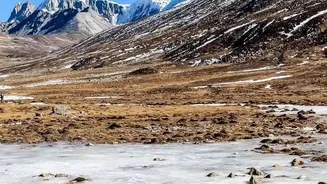
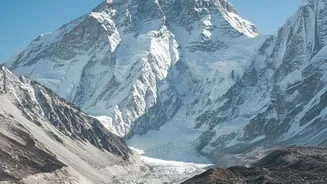
Uttarakhand is the heartland of Indian winter trekking, offering several accessible and well-established routes. Treks like Kedarkantha, Brahmatal, and Dayara Bugyal are favourites for a reason. Kedarkantha, often called the 'Queen of Winter Treks', is a beginner-friendly summit trek known for its stunning panoramic views from 12,500 feet. The typical season runs from December to March, which is the best time for a classic snow experience. Brahmatal offers the unique attraction of two frozen high-altitude lakes, Bekaltal and Brahmatal itself, with incredible views of Mt. Trishul and Nanda Ghunti. It is also a great option for beginners and remains accessible throughout the winter months. For any trek in Uttarakhand, it's crucial to check for the latest regulations, as new rules regarding guide certification and trekker registration have been under discussion.
Himachal Pradesh: Shorter Treks and Early Snow
While many of Himachal's high-altitude passes close by mid-October, the state offers excellent shorter winter treks. Routes like Triund, near McLeod Ganj, and Prashar Lake, near Mandi, are popular choices that often remain open through December. These treks are generally easier and shorter, making them perfect for a long weekend. However, access can still be impacted by heavy snowfall, so confirming road and trail status before you travel is essential. Other treks like Kheerganga and Kareri Lake are best attempted before the end of November, as heavy snow can close the upper trails later in the season.
The Chadar Trek: A Unique But Uncertain Challenge
The Chadar Trek in Ladakh, which involves walking on the frozen Zanskar River, is an iconic but highly conditional expedition. The trek's opening is entirely dependent on the river freezing into a stable, walkable sheet of ice, which typically happens in January and February. This is not guaranteed. For instance, the trek was suspended during the 2026 season because the river failed to freeze adequately. For the 2027 season, operators are advertising tentative dates, but no official confirmation can be given until authorities assess the ice conditions in early January 2027. Anyone planning for Chadar must maintain flexible travel plans and book only with registered local operators who can provide up-to-date information on its status.
Your Pre-Trek Verification Checklist
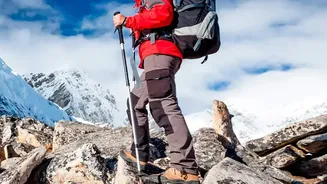
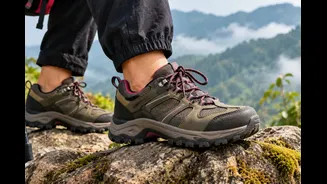
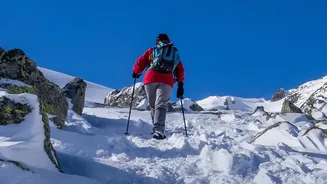
Before you book flights or make payments, use this checklist to ensure a safe and successful trek: 1. Operator Verification: Confirm your trekking agency is registered, especially for treks in Ladakh and protected areas in Uttarakhand. 2. Trail Status: Contact your operator a week before departure to get a real-time update on weather, snow depth, and trail accessibility. 3. Permit Requirements: Ask about all necessary permits (forest, national park, or inner line) and who is responsible for arranging them. Regulations can change, so don't rely on old information. 4. Fitness and Gear: Be honest about your fitness level. Winter treks are more demanding. Ensure you have the right gear for sub-zero temperatures, especially proper layered clothing and waterproof boots. 5. Contingency Plans: Discuss the operator's policy for cancellations or itinerary changes due to bad weather or route closures. It's always wise to have a buffer day in your travel schedule.