

The Sun-Drenched South-Facing Balcony
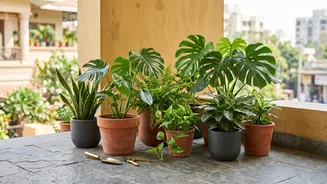
A south-facing balcony or window receives the most intense sunlight throughout the day, making it a challenging spot for many houseplants. However, it's the perfect stage for sun-worshipping plants that thrive in bright, warm conditions. Bougainvillea
is a classic choice, known for its vibrant, cascading paper-like flowers in hues of pink, red, and orange. It is incredibly hardy and drought-tolerant once established. Similarly, Hibiscus, with its large, tropical blooms, loves soaking up the sun and will reward you with spectacular flowers. For a burst of cheerful yellow and orange, Marigolds are an excellent option; they are not only beautiful but also help repel pests. These plants require regular watering, especially during peak summer, but their stunning displays make the effort worthwhile.
The Gentle East-Facing Window
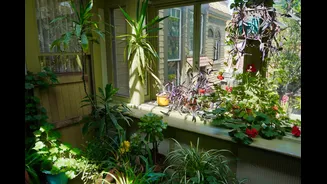
An east-facing window is often considered the sweet spot for many indoor plants. It gets several hours of gentle morning sun that isn't harsh enough to scorch delicate leaves. This makes it ideal for plants that enjoy bright, indirect light. The ever-popular Money Plant (Pothos) is a perfect fit, with its trailing vines that can be styled on shelves or in hanging baskets. It's famously low-maintenance and is believed to bring good fortune. Another great option is the Areca Palm, which brings a lush, tropical feeling indoors with its feathery fronds and also acts as a natural humidifier. For a touch of flowering elegance, the Peace Lily is an excellent choice. It can tolerate lower light but will produce its signature white spathe flowers more readily with the soft light from an eastern exposure.
The Cool, Low-Light North-Facing Corner
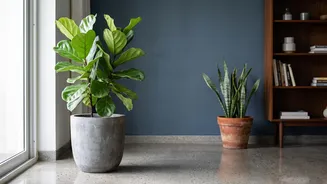
North-facing rooms receive the least amount of direct light, making them seem inhospitable for plants. However, this is where shade-loving plants truly shine. The Snake Plant, also known as Mother-in-Law's Tongue, is virtually indestructible and a top contender for these spots. It tolerates very low light, requires infrequent watering, and is a fantastic air purifier, even releasing oxygen at night. Another champion of low light is the ZZ Plant (Zamioculcas zamiifolia). Its glossy, dark green leaves add a touch of modern sophistication, and it's incredibly drought-tolerant, making it perfect for beginners or forgetful waterers. Chinese Evergreens (Aglaonema) also thrive in these conditions and come in a variety of beautiful variegated patterns, adding colour and texture to a dim corner.
The Air-Purifying Bedroom Companion
Plants in the bedroom aren't just for decoration; they can actively improve air quality while you sleep. The primary goal here is to choose plants that are effective air purifiers and can handle the typical lower light of a bedroom. Once again, the Snake Plant is a star performer because it converts carbon dioxide to oxygen at night. The Peace Lily is another excellent choice, known for its ability to filter common indoor toxins like ammonia and benzene from the air. The Spider Plant is also a fantastic, non-toxic option that is easy to care for and highly effective at removing formaldehyde and xylene from the atmosphere. Placing one or two of these plants in your bedroom can contribute to a fresher, more restful environment.
The Humid Bathroom Oasis
The high humidity and lower light conditions of most bathrooms create a microclimate similar to a tropical rainforest, which many plants love. This steamy environment is perfect for Boston Ferns, whose lush, feathery fronds absorb moisture from the air, helping to keep humidity levels in check. The Spider Plant also thrives in the bathroom's moisture and can be placed on a shelf or in a hanging pot. For a touch of Zen, a small Bamboo plant can grow well in a bathroom, either in soil or just a vase of water. Aloe Vera is another great pick; it's a hardy succulent that tolerates humidity well and has the added benefit of its soothing gel for minor skin irritations.