


A Necessary Respite for Nature
From roughly June to September, the majority of India's premier national parks, including the core zones of its tiger reserves, become off-limits to tourists. This annual closure is a deliberate and essential strategy. The primary reasons are safety and conservation.
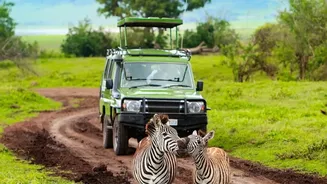
Heavy monsoon rains can make the unpaved forest tracks treacherous and impassable, turning them into slushy channels where safari vehicles could get stuck or cause significant soil erosion. Beyond logistics, this period provides a much-needed break for the ecosystem. It is a critical breeding season for many species, from tigers and leopards to deer and various birds, who rely on the quiet and abundance of the season to raise their young without human disturbance. Closing the parks minimises stress on the animals and allows them to engage in natural behaviours undisturbed.
The Great Green Transformation
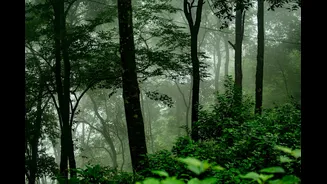
Behind the closed gates, a dramatic transformation unfolds. The monsoon is the forest's primary period of regeneration. The sustained rainfall replenishes water bodies, from vast lakes to small streams, that may have dwindled during the dry summer months. This abundance of water, combined with warm temperatures, triggers a burst of life. The parched forest floor is carpeted with new grass, ferns, and wildflowers. This fresh vegetation provides plentiful food for herbivores like deer, gaur (Indian bison), and wild boar. The entire ecosystem undergoes a reset; the rains nourish the soil, help distribute nutrients, and allow the flora to flourish, setting the stage for the months to come.
Wildlife After the Rains
The end of the monsoon signals a change in animal behaviour that directly benefits safari-goers. With water widely available throughout the park during the rains, animals are often dispersed and harder to spot. However, as the season shifts and smaller water sources begin to dry up, wildlife starts to congregate around the larger, more permanent lakes and waterholes that were just replenished. Herbivores emerge to feast on the lush post-monsoon growth, and their presence, in turn, draws out predators. For many species, young born during the monsoon are now beginning to venture out, offering unique sighting opportunities of cubs and calves learning to navigate their world. The entire forest is teeming with energy, from birds and butterflies to deer and elephants, creating a dynamic environment for visitors.
The Grand Reopening in October
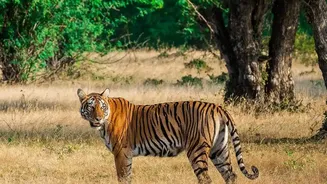
When parks like Kanha, Bandhavgarh, and Ranthambore reopen their core zones around October 1st, the first visitors are greeted by a landscape reborn. The dust of the dry season is gone, replaced by vibrant, emerald greenery and clean, fresh air. This post-monsoon period, from October to December, is often considered one of the most rewarding times for a safari. The forest is at its most beautiful, providing a stunning, colourful backdrop for wildlife photography. The trails are navigable again, and the combination of active wildlife and breathtaking scenery makes for an unforgettable experience. While a tiger sighting is never guaranteed, the conditions post-monsoon create a thriving, active ecosystem where every drive offers a chance to witness the intricate web of forest life in its prime.