

The Green Buzz in the Office Pantry
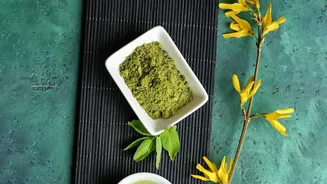
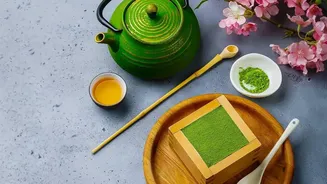
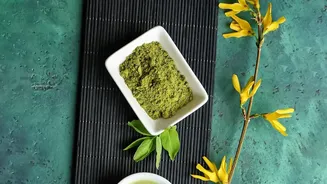
So, what is this green drink that’s suddenly appearing on office desks? Matcha is a fine powder made from specially grown and processed green tea leaves. Unlike regular green tea where you steep the leaves in water and discard them, with matcha, you are
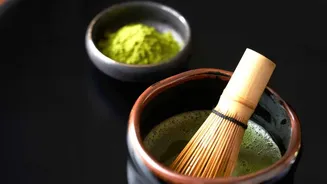
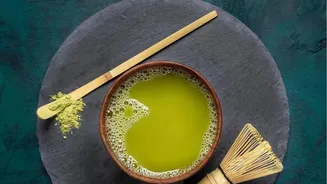
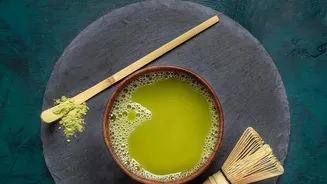
consuming the entire leaf. This means you get a more potent dose of the nutrients and compounds present in the tea. Originating from ceremonial use by Buddhist monks in Japan, matcha is prepared traditionally by whisking the powder with hot water in a bowl until it becomes frothy. Recent Google search data from India shows a massive 1,300% surge in queries for "how to make matcha" over the past year, with interest concentrated in cities like Delhi, Goa, and Chandigarh. This indicates a clear shift from merely trying it at a café to making it a part of the daily home and office routine.
Not Your Average Caffeine Kick
The primary reason for matcha's growing popularity in demanding work environments is its unique effect on energy and focus. While it does contain caffeine—typically less than a cup of coffee—its real magic lies in an amino acid called L-theanine. This powerful compound promotes a state of "calm alertness." Studies have shown that the combination of L-theanine and caffeine can improve attention, enhance cognitive performance, and sharpen reaction times more effectively than caffeine alone. While coffee provides a quick, sharp jolt of energy that often leads to jitters and a subsequent crash, matcha offers a smoother, more sustained energy boost that can last for four to six hours. This makes it ideal for professionals who need to maintain concentration through long meetings, deep work sessions, or creative tasks without the distracting side effects.
More Than Just Sustained Energy
Beyond focus, the wellness-conscious workforce is embracing matcha for its broader health benefits. Because you consume the whole leaf, matcha is packed with antioxidants, particularly catechins like EGCG (epigallocatechin gallate). Antioxidants are compounds that help protect the body from damage caused by free radicals. Some research suggests that the L-theanine in matcha can also help reduce stress and anxiety, which is a significant advantage in high-pressure corporate jobs. Unlike coffee, which can sometimes trigger anxiety, matcha's unique chemical makeup promotes relaxation without causing drowsiness. This combination of a calm mind and focused energy is a compelling proposition for anyone trying to navigate the daily challenges of a busy career.
A Mindful Ritual in a Hectic Day
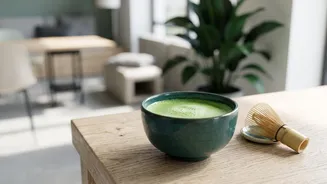
The trend is also about more than just the ingredients; it's about the process. The act of preparing matcha—sifting the powder, adding water, and whisking it into a frothy beverage—can be a mindful ritual. Taking a few minutes to step away from the screen and engage in this deliberate process can serve as a mental reset. This small moment of self-care provides a welcome break in a hectic workday, helping to reduce stress and recenter focus before diving back into tasks. The growing interest in at-home preparation is evident, with breakout search interest in India for "matcha whisk" and "matcha bowl" recorded in August 2026. It transforms a simple drink break into a more intentional and calming experience.
Your Guide to a Perfect Cup
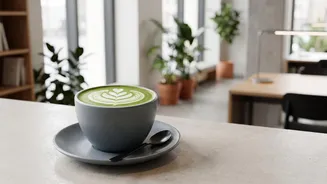
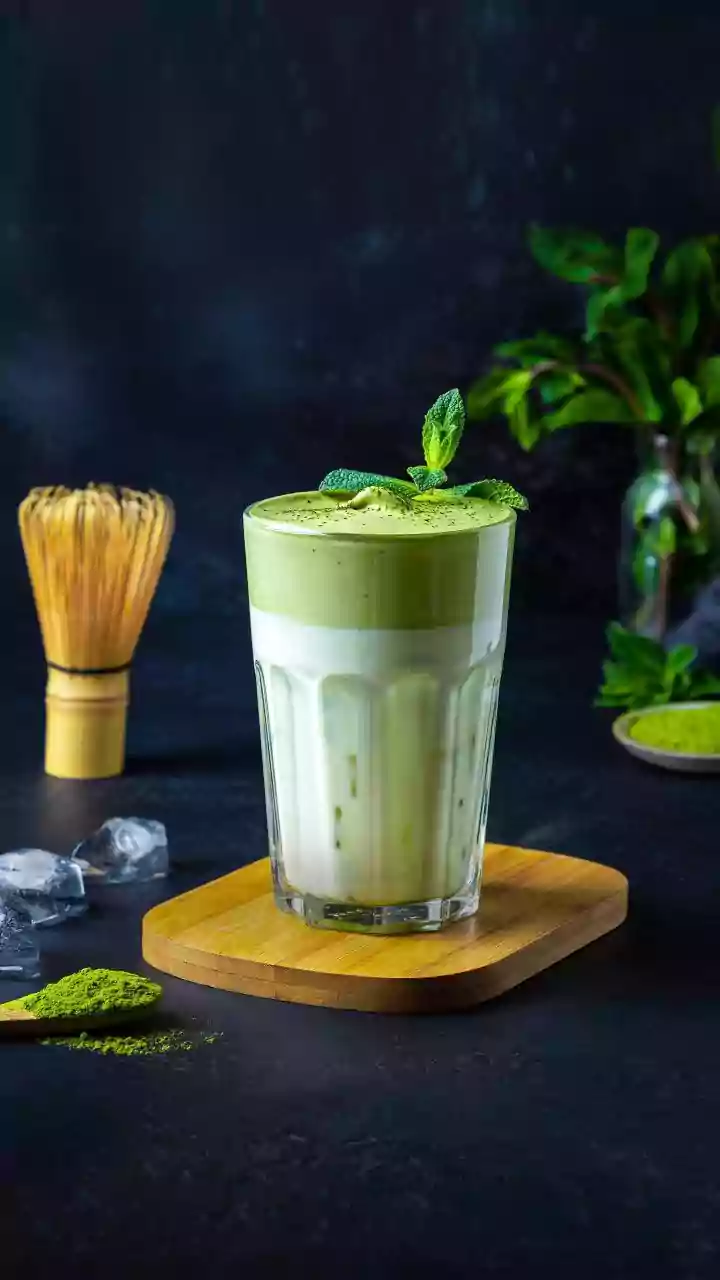
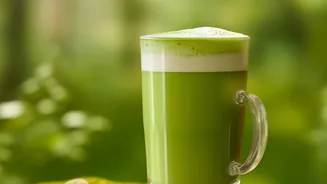
Ready to make the switch? Getting started with matcha is simple. First, sift one teaspoon of matcha powder into a bowl to prevent clumps. Add about 60 ml of hot water—not boiling, ideally around 80°C. Then, using a bamboo whisk (called a chasen), whisk briskly in a 'W' or 'M' motion until the tea is smooth and topped with a layer of fine froth. You can drink it straight from the bowl or pour it into a cup. For a creamier option, many prefer a matcha latte by adding steamed milk. The growing trend in India also includes local flavours, with searches for "mango matcha" and "strawberry matcha" seeing significant increases.