





Why Humidity Is a Hidden Danger
Succulents are masters of survival in arid, dry environments. They have evolved to store water in their fleshy leaves, stems, and roots to endure long periods of drought. [2, 10] This exceptional water retention, however, becomes a significant vulnerability
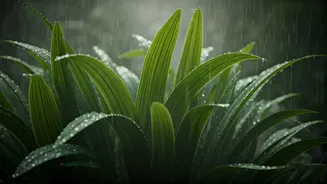
in humid climates. When the air is saturated with moisture, as it often is during the Indian monsoon, two things happen. First, the soil dries out much more slowly. [6] Second, the plants can absorb moisture directly from the air. [15] This combination creates a situation where the succulent has too much water, both in its soil and around its leaves, disrupting its natural water balance and setting the stage for disaster. [2]
The Science of Succulent Rot
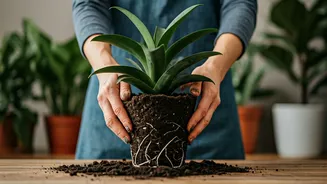
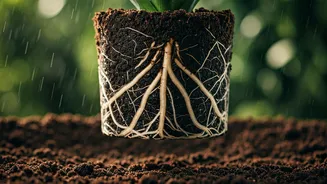
Root rot is the number one killer of succulents, and it's primarily caused by overwatering. [4, 8] In high humidity, the risk skyrockets. When roots are constantly in waterlogged soil, they can't breathe and are deprived of oxygen. [17] This environment is perfect for fungi and bacteria to thrive. [17, 23] These microorganisms attack the waterlogged, weakened roots, causing them to turn black, mushy, and decay. [8, 17] Once root rot sets in, it can quickly spread up the stem and throughout the plant, often becoming irreversible if not caught in its earliest stages. [23] A foul smell from the soil is a late-stage indicator that severe decomposition is underway. [8]
Know the Warning Signs
An overwatered succulent will give you several visual clues. The first signs are often in the leaves. They may appear yellow, translucent, and feel soft or mushy to the touch instead of firm. [8] The lowest leaves are typically affected first and may begin to fall off easily. [20] As the rot progresses, the stem itself may become soft, discolor, or turn black, usually starting from the base. [8, 23] Paradoxically, the plant might look wilted, leading owners to think it needs more water, when in reality, the rotting roots are no longer able to absorb any water or nutrients, causing the healthy parts of the plant to suffer. [17]
Adjust Your Watering Schedule
During periods of high humidity, you must drastically reduce how often you water. The golden rule is to water only when the soil is completely bone dry. [4, 6] Don't stick to a fixed schedule like "once a week." Instead, physically check the soil by inserting a finger or a wooden stick 2-3 inches deep. [9] If it comes out with any moisture, wait longer. During the peak of the monsoon season, you may not need to water for several weeks at a time. [4, 6] Succulents can also enter a dormant period in response to environmental stress, during which their water needs are minimal. [13, 14] Overwatering a dormant succulent is particularly dangerous. [13]
Beyond Watering: Proactive Care in Humidity
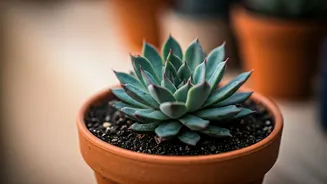
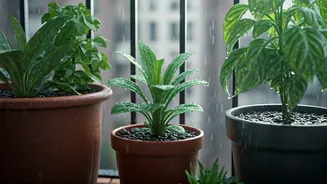
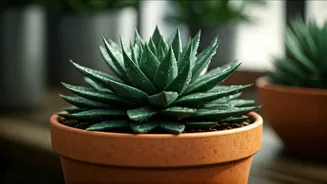
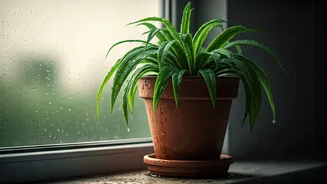
Stopping watering is the main step, but other actions can help your succulents survive humid spells. Good air circulation is crucial to combat moisture. [3, 6] If your plants are indoors, place them near an open window or use a small fan to keep the air moving. [5, 10] For outdoor plants, ensure they are not overcrowded to allow for airflow between them. [7] Proper drainage is non-negotiable. Use pots with drainage holes and a gritty, well-draining soil mix, such as a cactus mix with added perlite or sand. [4, 5] Terracotta pots are excellent as they are porous and help moisture evaporate. [5, 7] Finally, if heavy rain is forecasted, move potted succulents to a covered porch or balcony to protect them from downpours. [5, 6]