


Beyond Just Dal and Chicken
When we talk about protein, we often think in simple terms: dal and paneer for vegetarians, chicken and eggs for non-vegetarians. But the concept of 'protein diversity' asks us to look deeper. It's not just about getting enough protein, but about getting it from
a wide variety of sources. Think of proteins as being made of building blocks called amino acids. There are nine 'essential' amino acids that our bodies can't make, so we must get them from food. Different foods have different amino acid profiles. Eating a mix of protein sources ensures your body gets the complete set it needs for everything from muscle repair to hormone production. Relying on just one or two sources, no matter how good they are, can lead to nutritional gaps.
The Vegetarian's Protein Puzzle
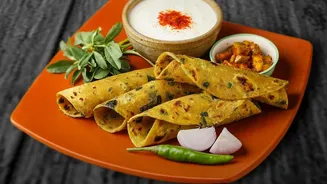
The typical Indian vegetarian diet, while rich in many nutrients, often leans heavily on a few protein sources like dal, paneer, and dahi. The challenge is that most plant-based proteins are 'incomplete', meaning they are low in one or more of the nine essential amino acids. But this isn't a nutritional dead-end. The solution, long embedded in Indian culinary wisdom, is 'protein complementation'. By combining different plant foods, you can create a complete protein profile. The classic examples are staples in every Indian home: dal with rice or roti, and rajma or chole with rice. The amino acids that are low in grains are present in legumes, and vice versa. Together, they form a powerful, complete protein meal without any need for meat.
Upgrading Your Vegetarian Thali
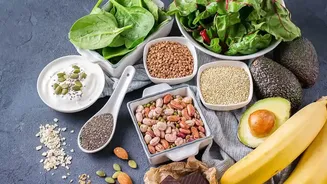
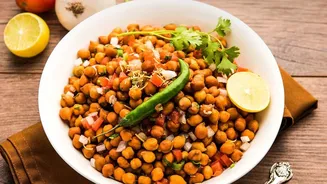
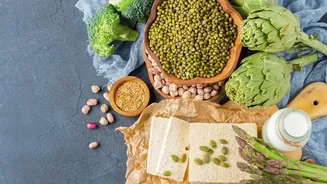
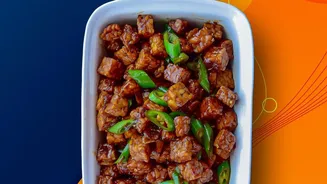
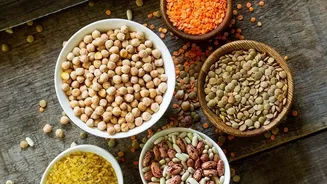
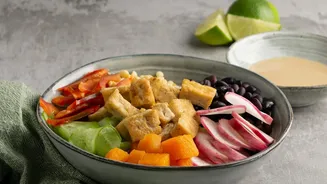
While dal-rice is a great start, true protein diversity means expanding your palette. Don't just stick to toor dal; explore the different nutritional profiles of moong, masoor, and urad dal. Incorporate a wider range of legumes like chickpeas (chana), kidney beans (rajma), and black-eyed peas (lobia). Nuts and seeds are tiny powerhouses of protein and healthy fats; a handful of almonds or a sprinkle of pumpkin and flax seeds on your meal can make a difference. Don't forget pseudo-grains like quinoa and amaranth (rajgira), which are complete proteins on their own. Exploring soy in forms like tofu, tempeh, or edamame can also significantly boost protein intake and variety. Sprouting legumes can also improve their digestibility and nutrient absorption.
The Non-Vegetarian's Blind Spot
It's a common assumption that non-vegetarians automatically have their protein needs covered. While sources like meat, eggs, and poultry are 'complete' proteins, relying too heavily on just one—like chicken—can be a missed opportunity. Different animal proteins offer unique nutritional benefits. For example, fish like rohu, katla, or sardines are packed with protein plus heart-healthy omega-3 fatty acids. Eggs are an efficient and affordable source of high-quality protein and other vital nutrients for brain health. Diversifying here isn't just about avoiding boredom; it's about getting a broader spectrum of micronutrients like iron, zinc, and B vitamins that come packaged with these different protein sources. A non-vegetarian diet becomes even more robust when it also includes a variety of plant proteins, which add fibre and important phytonutrients.
A Diet For Modern India
Protein deficiency is a documented issue in India, with studies showing a large portion of the population consumes inadequate amounts. This is often due to diets heavy on carbohydrates and a lack of awareness about protein needs. Embracing protein diversity is a practical and effective solution for everyone. For vegetarians, it means consciously combining and varying plant protein sources to ensure a complete amino acid intake. For non-vegetarians, it means looking beyond the usual chicken curry and incorporating other animal sources like fish and eggs, alongside a healthy dose of legumes, nuts, and seeds. The goal is not about rigid rules but about building a resilient and nutrient-rich diet. A more diverse plate is a more nourishing one, leading to better energy, improved muscle health, and long-term well-being.