








The Allure of Simplicity
The promise of a healthy meal subscription is, above all, one of convenience. For busy professionals and students in cities like Mumbai, Bangalore, and Delhi, the daily question of “what to eat?” can be a significant source of stress. These services offer
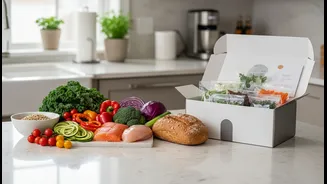
an appealing alternative to the nightly scramble of grocery shopping, cooking, and cleaning, or the unhealthy, repetitive cycle of ordering from food aggregators. They propose a world where nutritious, ready-to-eat meals simply appear at your doorstep, designed to support goals from weight management to muscle gain. This vision of a streamlined, healthier life is what pulls many urban Indians towards trying a subscription, hoping to reclaim lost hours and mental energy.
Taming the Urban Routine
One of the strongest arguments for meal subscriptions is their ability to impose a structured eating routine. When you’re exhausted after a long day, the temptation to order a greasy biryani or pizza is high. A pre-planned, pre-paid meal waiting at home acts as a powerful deterrent. This consistency helps break the cycle of impulsive, unhealthy food choices. For many, this isn't about giving up home cooking entirely but about outsourcing the meals that are most likely to be skipped or replaced with junk food—typically weekday lunches at the office or late-night dinners. By providing a reliable foundation of healthy meals, these services can genuinely help busy individuals establish better dietary habits and reduce their reliance on less nutritious fast food.
The Budget Question: A Surprising Calculation
Conventional wisdom says cooking at home is always cheapest. While that’s true in pure grocery costs, the full picture is more complex. A 2025 analysis found that while a home-cooked meal might cost ₹62–₹85, a daily Swiggy or Zomato habit can run from ₹210–₹300 per meal once delivery, platform fees, and taxes are included. Many healthy tiffin or meal subscriptions in India land in the middle, around ₹70-₹150 per meal. The subscription becomes even more compelling when you factor in hidden costs of home cooking: food waste from unused vegetables, the cost of cooking gas, and the monetary value of your time spent shopping and cooking, which can amount to several hours a week. For many time-poor urban professionals, a subscription can be cheaper than ordering out and a worthwhile trade-off for the time saved from cooking.
Mastering Portion Awareness, One Meal at a Time
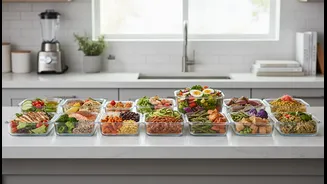
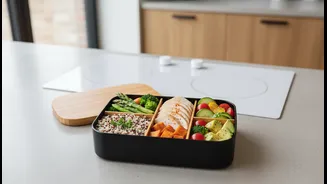
A significant, often overlooked, benefit of meal subscriptions is their built-in portion control. Restaurant and home-cooked portions are often oversized, leading to gradual weight gain. Meal delivery services provide pre-portioned meals, taking the guesswork out of what a healthy serving looks like. This can be an incredibly effective tool for re-educating yourself on appropriate portion sizes. Nutritionists note that this consistency is key for anyone trying to manage their weight or specific health conditions like diabetes. Over time, using these services can help you internalise what a balanced, correctly-sized meal feels like, a skill that remains valuable even if you stop the subscription.
Reading Past the 'Health Halo'
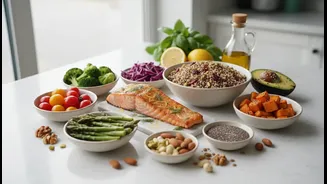
Here's where a healthy dose of skepticism is required. The headline's mention of “health-halo marketing” refers to the use of buzzwords like “organic,” “natural,” “superfood,” or “gluten-free” to make a product seem healthier than it is. A salad can be labelled “detox” but be drenched in a high-sugar dressing. A meal can be “high-protein” but also extremely high in sodium or unhealthy fats. Some services have been criticised for making bold nutrition claims while the food is just as oily as regular takeout. As a consumer, it's crucial to look beyond the appealing labels and check the actual nutritional information and ingredient lists if provided. A truly healthy meal is balanced in protein, carbs, and fats, not just defined by one trendy ingredient.
Making the Right Choice for You
Not all meal subscriptions are created equal. Some offer personalised plans curated by nutritionists, while others are closer to a simple tiffin service. Before committing, it's wise to start with a short-term trial plan. Check if the service provides clear nutritional information and caters to your specific dietary needs, whether that's low-carb, vegan, or just balanced home-style food. Reading reviews from other users in your city can also provide honest feedback on taste, variety, and reliability, as food fatigue from repetitive menus is a common reason people quit. The best service is one that aligns with your health goals, budget, and taste preferences, making healthy eating feel sustainable rather than a chore.