






A Delayed But Dramatic Arrival
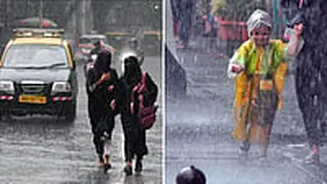
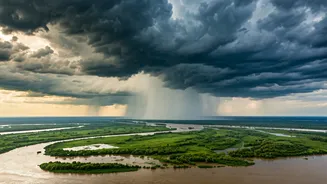
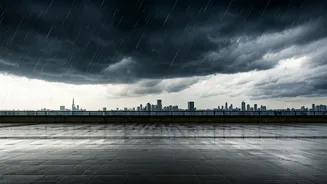
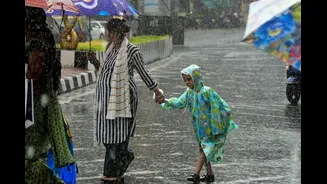
The India Meteorological Department (IMD) officially declared the onset of the southwest monsoon over Mumbai on Tuesday, June 23, a full 13 days after the usual date. The arrival was anything but gentle. Heavy overnight showers drenched the city, with
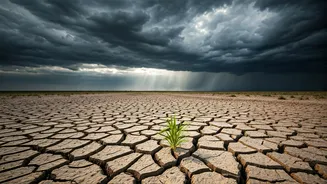
some areas receiving over 300 mm of rainfall in a 24-hour period. This intense downpour followed one of the driest starts to June in recent memory, which had seen the city's water reservoir levels dip to alarmingly low levels. The IMD issued an 'orange alert', warning residents of continued heavy to very heavy showers and gusty winds as the monsoon system took hold.
Navigating the Urban Waterways
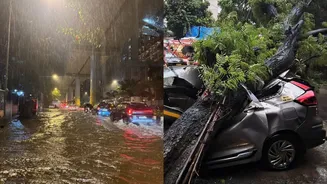
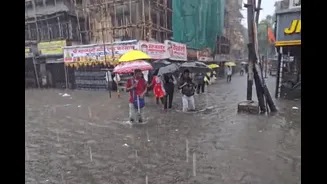
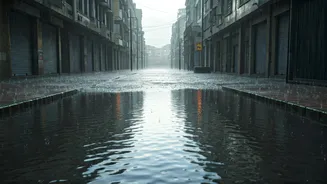
Mumbaikars' daily commute was immediately thrown into chaos. Waterlogging was reported in several chronic low-lying areas like the Andheri subway, Hindmata, and King's Circle, leading to traffic diversions and gridlock. The city’s lifeline, the suburban railway network, was also hit. Services on the Central and Harbour lines faced delays due to water on the tracks and a track cave-in between Turbhe and Koparkhairane, leaving morning commuters stranded in overcrowded trains. The Brihanmumbai Municipal Corporation (BMC) stated that water was being drained swiftly, but commuters reported significant disruptions.
Your Monsoon Survival Guide
Navigating Mumbai in the monsoon requires a shift in strategy. Keeping a 'monsoon kit' ready is a wise move. This should include a sturdy umbrella, a waterproof bag for electronics, and a power bank for inevitable travel delays. Footwear choice becomes critical; ditch the leather and opt for non-slip, quick-drying sandals or floaters to navigate uneven, waterlogged pavements. Dressing in lightweight, synthetic fabrics that dry quickly can make a drenching more bearable. It's also a good time to check that your home is prepared, securing any loose fittings on windows and balconies.
Health and Safety First
The monsoon brings relief from the heat but also heightens health risks. Stagnant water becomes a breeding ground for mosquitoes, increasing the danger of dengue and malaria. Cases of leptospirosis, a bacterial infection spread through contaminated water, also rise. Authorities advise avoiding wading through floodwaters whenever possible. If contact is unavoidable, it's crucial to wash your hands and feet thoroughly with soap and clean water. Be mindful of food and waterborne illnesses like gastroenteritis by sticking to boiled water and freshly cooked, hot meals. For any persistent fever or illness, consulting a doctor promptly is essential.
The Civic Response and High Tide Watch
The BMC's pre-monsoon preparedness is under its annual test. While the civic body claims drains in low-lying areas are being cleared, reports of garbage-clogged drains and political blame games have already surfaced. A viral video of a BMC supervisor falling into an open channel during an inspection highlighted the ongoing challenges. Adding to the complexity, the BMC has issued its high-tide schedule for the season, urging citizens to stay away from the seashore during these periods, especially when they coincide with heavy rainfall, as this can severely exacerbate flooding.
Finding the Silver Lining
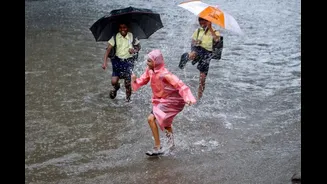
Despite the logistical nightmares, the monsoon holds a special place in the heart of Mumbai. The rain washes the city clean, cloaks it in lush greenery, and provides a much-needed respite from the summer heat. It’s a time for enjoying roasted corn on the cob (bhutta) from a street vendor, sipping hot chai while watching the downpour, and embracing the collective spirit of a city that knows how to take challenges in its stride. The chaos is real, but so is the unique, romantic charm of Mumbai in the rains.