




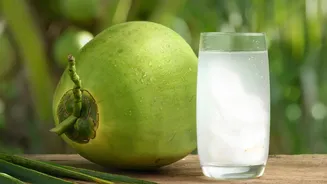
The Challenge of Summer Sweat
When you exercise in hot and humid weather, your body works overtime to stay cool. The primary way it does this is through sweating. While sweating is a brilliant natural cooling mechanism, it comes at a cost: fluid and electrolyte loss. The more you sweat,
the more water and essential minerals you lose. This depletion is a primary trigger for exercise-associated muscle cramps, which occur when muscles involuntarily contract and seize up. It’s a common issue that can derail a workout and cause significant discomfort. Dehydration disrupts the delicate balance of fluids and minerals your muscles need to function correctly, causing nerve signals to misfire and trigger those painful cramps.
What Are Electrolytes, Exactly?
Think of electrolytes as the essential minerals that help your body function. They carry an electric charge and are vital for everything from nerve signaling to muscle contractions and maintaining proper hydration levels. The key players for athletes include sodium, potassium, calcium, and magnesium. When you sweat, you lose all of these, but sodium is by far the most significant electrolyte lost. Potassium is also lost, but in smaller amounts. An imbalance in these minerals, particularly a dip in sodium, is strongly linked to muscle cramps and fatigue. Simply drinking plain water isn't always enough, as it can further dilute the remaining electrolytes in your system.
Coconut Water: Nature’s Potassium Boost
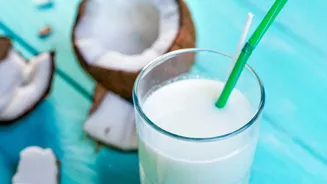
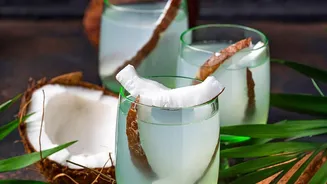
This is where coconut water enters the picture. Often touted as a natural sports drink, its reputation is built on its impressive electrolyte profile. Coconut water is naturally rich in potassium, a mineral crucial for muscle function and regulating fluid balance inside your cells. A single cup can contain around 470-600mg of potassium. It also provides smaller amounts of magnesium, calcium, and phosphorus. Because many people don't get enough potassium in their daily diets, coconut water can be a great way to boost intake. Its natural sugars also provide a quick source of energy for your muscles during a workout.
The Missing Piece: Why You Need to Add Salt
While coconut water is a potassium powerhouse, it is naturally low in sodium. This is a problem because, as we've learned, sodium is the main electrolyte you lose in sweat. During an intense summer workout, you can lose anywhere from 200mg to over 2,000mg of sodium per liter of sweat. Relying on coconut water alone might not be enough to replace these significant sodium losses. By adding a pinch of salt (sodium chloride), you create a more complete and balanced electrolyte beverage. The added sodium helps your body hold onto water more effectively, improving hydration, while also directly replenishing the mineral you're losing the most.
Your DIY Electrolyte Drink Recipe
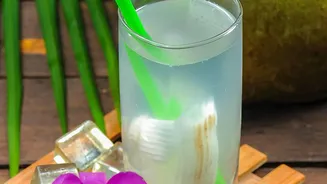
Making your own salt-infused coconut water is incredibly simple. You don’t need much to create an effective rehydration solution. For a standard serving, follow this general guideline: combine about 2 cups (around 500ml) of unsweetened coconut water with a small pinch of high-quality sea salt—about 1/8 to 1/4 of a teaspoon. Stir it well until the salt dissolves completely. You can also add a squeeze of lime or lemon juice for extra flavor and a bit of vitamin C. The goal isn't to make the drink taste salty, but to add just enough sodium to balance the high potassium content and effectively replenish what you’ve lost through sweat.
When to Drink for Best Results
Timing can maximize the benefits of your homemade electrolyte drink. For long or particularly intense workouts in the heat (over an hour), it's a good idea to start hydrating before you even begin. Drinking some of your salt-infused coconut water about 30-60 minutes pre-workout can help prime your system. During your session, take regular sips to stay ahead of dehydration. Afterward, finishing the drink will help your body rehydrate and kickstart the recovery process by replenishing lost fluids and minerals. This can help reduce post-exercise muscle soreness and fatigue, getting you ready for your next workout sooner.