







What is the EOS-05 Satellite?
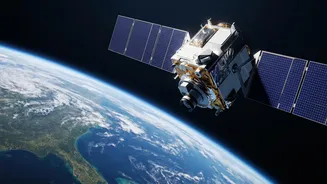
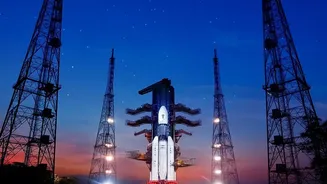
EOS-05 is a state-of-the-art Earth Observation Satellite (EOS), designed and built to monitor our planet from space. Launched on September 4, 2026, aboard a GSLV-F17 rocket, it is part of India’s extensive constellation of remote sensing satellites that
serve as the nation's eyes in the sky. Unlike many other observation satellites that circle the Earth in a low polar orbit, EOS-05 is special because it is designed to operate from a geosynchronous orbit. This high-altitude perch will allow it to continuously monitor a large swath of the Indian subcontinent, providing data at a frequency that lower-orbit satellites cannot match. These satellites are crucial tools for everything from weather tracking to resource management.
The Science of Orbit Raising
Launching a satellite directly into a high orbit like the one intended for EOS-05 is incredibly fuel-intensive. Instead, space agencies like ISRO use a more efficient, multi-step process. First, the rocket places the satellite into a temporary, elliptical path called a Sub-Geosynchronous Transfer Orbit (Sub-GTO). This initial orbit has a low point (perigee) and a high point (apogee). The latest maneuver, like the one before it, involves firing the satellite's onboard Liquid Apogee Motor (LAM) engine. This engine provides the thrust needed to push the satellite higher at its apogee, effectively raising the perigee and making the orbit more circular and much higher. Think of it like a celestial climb, with each engine burn acting as a step up a massive orbital ladder, pushing the satellite farther from Earth until it reaches its final operational altitude of nearly 36,000 kilometres.
A Crucial Step Towards Operation
This second successful engine firing is a significant milestone. Following the launch, the first maneuver took place on September 5, which began the process of reshaping the satellite's orbit. The second burn, completed on September 6, raised the satellite's apogee to an estimated 35,786 km, which is very close to its final intended altitude. ISRO has confirmed that the satellite's health remains normal after the procedure. These maneuvers are complex and must be executed with precision. Each burn is carefully calculated and timed to use the satellite's limited onboard fuel as efficiently as possible while ensuring it reaches the correct orbital slot. The successful completion of these steps is a testament to the expertise of ISRO's mission control team.
What EOS-05 Will Do For India
Once operational, EOS-05 will become a vital national asset. As an Earth observation satellite, its primary role is to collect data and imagery that have direct applications on the ground. Its capabilities will significantly enhance India's ability to manage natural disasters by providing near-real-time monitoring of cyclones, floods, and forest fires. For agriculture, a cornerstone of the Indian economy, the satellite will provide crucial data on crop health, soil moisture, and pest infestations, helping to improve yields and secure the food supply. Furthermore, its data will be used for urban planning, monitoring water resources in reservoirs, mapping forest cover, and supporting national security through surveillance. Its continuous watch over a large area makes it an invaluable tool for governance and development.
What Are the Next Steps for ISRO?
While the major ascent phases are nearing completion, the mission is not over. ISRO engineers will likely perform at least one more maneuver to circularize the orbit and make final positional adjustments, locking EOS-05 into its designated geosynchronous slot. After the satellite is firmly in its final orbit, the next phase involves a series of detailed checks. Mission control will deploy any remaining appendages, activate the satellite's powerful imaging payloads, and begin a thorough calibration process. This ensures that the cameras and sensors are working perfectly and that the data they send back is accurate. Once this commissioning phase is complete, ISRO will officially declare the satellite operational, and it will begin its nearly decade-long mission of watching over India from the sky.