



The Gut: A Disrupted Ecosystem
Think of your gut as a bustling city populated by trillions of microorganisms, mostly beneficial bacteria. This community, known as the gut microbiome, is vital for digestion, immune support, and overall health. When you take an antibiotic to fight a harmful
bacterial infection, the drug doesn't distinguish between good and bad bacteria. It's like setting off a bomb in the city—it wipes out the invaders but also causes significant collateral damage to the resident population, disrupting the delicate balance. This disruption, or dysbiosis, can lead to common side effects like diarrhea, bloating, and nausea. In just one week, a course of antibiotics can alter the gut's composition for up to a year.
Food as a Recovery Tool
This is where food comes into play. Researchers are investigating diet as a powerful tool to protect and rebuild the gut microbiome during and after antibiotic treatment. The primary focus is on two types of dietary components: probiotics and prebiotics. Probiotics are live, beneficial microorganisms found in fermented foods like yogurt, kefir, kimchi, and sauerkraut. The thinking is that by consuming these foods, you can help repopulate the gut with helpful bacteria. Prebiotics, on the other hand, are types of dietary fiber that act as food for your existing good bacteria. Found in foods like bananas, onions, garlic, oats, and whole grains, prebiotics stimulate the growth of a healthy gut community.
Reducing Side Effects
One of the most immediate and well-studied benefits of dietary intervention is the reduction of antibiotic-associated diarrhea (AAD), which affects up to 35% of patients. Multiple studies and reviews have shown that taking specific probiotic strains, such as Lactobacillus rhamnosus GG and Saccharomyces boulardii, alongside antibiotics can cut the risk of diarrhea by about 50%. While evidence is still developing, the logic is that by reinforcing the gut's beneficial bacteria, you make it harder for harmful, opportunistic microbes like Clostridioides difficile (C. diff) to take over and cause severe illness. This is particularly important for those at higher risk, including older adults and hospitalized patients.
Beyond the Gut: Antibiotic Efficacy
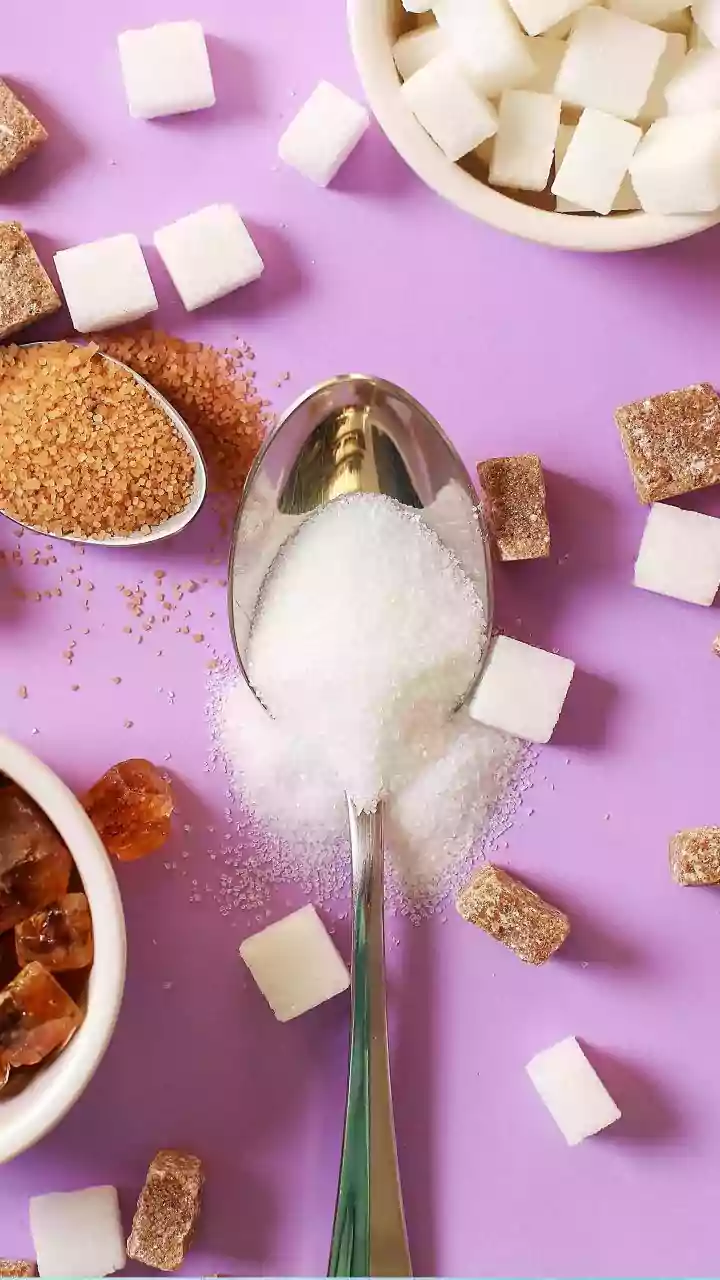
The research goes beyond simply managing side effects. Scientists are now exploring whether diet can influence how well antibiotics work and even combat the growing threat of antibiotic resistance. Some studies suggest that what we eat can affect the antibiotic susceptibility of bacteria. For example, a diet high in soluble fiber has been associated with lower levels of antibiotic resistance genes in gut microbes. Conversely, research in patients undergoing stem cell transplants found that sugar-rich foods were linked to greater microbiome disruption during antibiotic treatment. Another study showed that a Western-style diet, high in processed foods and sugar, prevented gut microbiome recovery after antibiotics in mice, leaving them more susceptible to infection. These findings open up the tantalizing possibility that specific dietary guidelines could one day be prescribed alongside antibiotics to maximize their effectiveness.
What to Know For Now
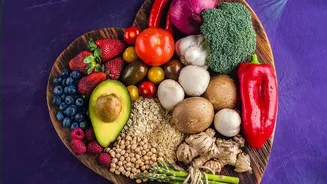
While research is ongoing, some practical takeaways are emerging. Focusing on a diet rich in fiber from fruits, vegetables, and whole grains can help fuel your gut's recovery. Incorporating fermented foods can introduce beneficial bacteria. It's also important to know which foods can interfere with antibiotics. For instance, calcium-rich foods like milk and cheese, or calcium-fortified juices, can bind to certain antibiotics (like tetracyclines) and reduce their absorption. It's often recommended to space these foods a few hours apart from your medication. Similarly, grapefruit juice can interfere with how the body processes some drugs. Always ask your doctor or pharmacist about potential food interactions with your specific prescription.