






The New Retail Frontier
For decades, the story of Indian retail was written in the metros. But with those markets saturated, brands are looking for their next wave of growth, and they've found it in Tier-2 and Tier-3 cities. Places like Lucknow, Coimbatore, Jaipur, and Nagpur
are no longer secondary markets; they are the new engines of consumption. This shift is driven by a potent combination of factors: rising disposable incomes, significant infrastructure development, and a digitally savvy population whose aspirations now mirror those in larger urban centres. Analysts note that this 'Bharat surge' isn't just a small trend; it's a structural transformation, with smaller cities and towns expected to drive the majority of retail growth for the foreseeable future.
From Kiranas to Hypermarkets: The Access Boom
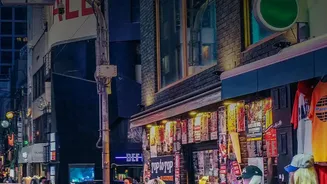
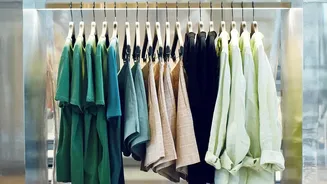
The most immediate impact of this expansion is a dramatic increase in access and choice. For the first time, many consumers in these cities have physical access to global brands like Zara, H&M, and Starbucks, which were previously only available online or during a trip to a metro city. This goes beyond fashion and coffee. The expansion of organised retail brings a wider variety of groceries, electronics, and home goods. Shoppers now have access to modern, experience-led environments that combine shopping with entertainment and dining, a concept that was once exclusive to big cities. This shift caters to a growing consumer demand for better quality, more variety, and an enhanced shopping experience that local, unorganised shops often cannot provide.
The Psychology of the Shopping Aisle
While greater access is a clear benefit, it comes with a significant challenge: the rise of impulse spending. Modern retail environments are meticulously designed to encourage unplanned purchases. Strategic store layouts, promotional displays, festive offers, and even the ambient music are all tools to turn a window shopper into a buyer. Consumers in smaller cities, who may have limited past exposure to such sophisticated retail strategies, can be particularly susceptible. The convenience of having everything under one roof, combined with the temptation of sales and the sheer novelty of the experience, can make it difficult to stick to a budget. This isn't just about malls; the surge in e-commerce and quick-commerce in these same cities amplifies the effect, making impulse buys just a click away.
A Double-Edged Sword for Local Economies
The arrival of large retail chains presents a complex picture for the local economy. On one hand, it creates jobs and can lead to better infrastructure. On the other, it poses a direct threat to traditional, unorganised retailers like kirana stores and family-owned shops. These smaller businesses often struggle to compete with the pricing, variety, and marketing muscle of large corporations. However, it's not always a zero-sum game. Unorganised retail continues to dominate the market due to its deep community ties, personalised service, and ability to offer credit. Some experts believe both formats will coexist, pushing traditional retailers to innovate and adapt to changing consumer expectations to retain their loyal customer base.
Navigating the New Retail Reality
For consumers, this new era of retail is about finding a balance. The increased access to brands and products is undeniably positive, opening up a world of choice that was previously out of reach. It allows for a better quality of life and the ability to fulfill rising aspirations. However, it also requires a new level of financial awareness. The key is to become a mindful consumer: planning purchases, setting budgets, and learning to distinguish between genuine needs and marketing-induced wants. Taking advantage of the wider selection and competitive pricing while resisting the powerful allure of impulse buys will be the central challenge for shoppers navigating this rapidly changing landscape.