


More Than Just Pretty Pictures
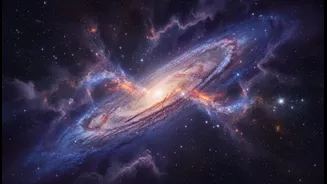
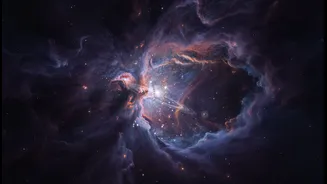
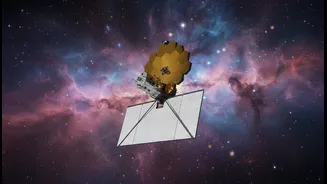
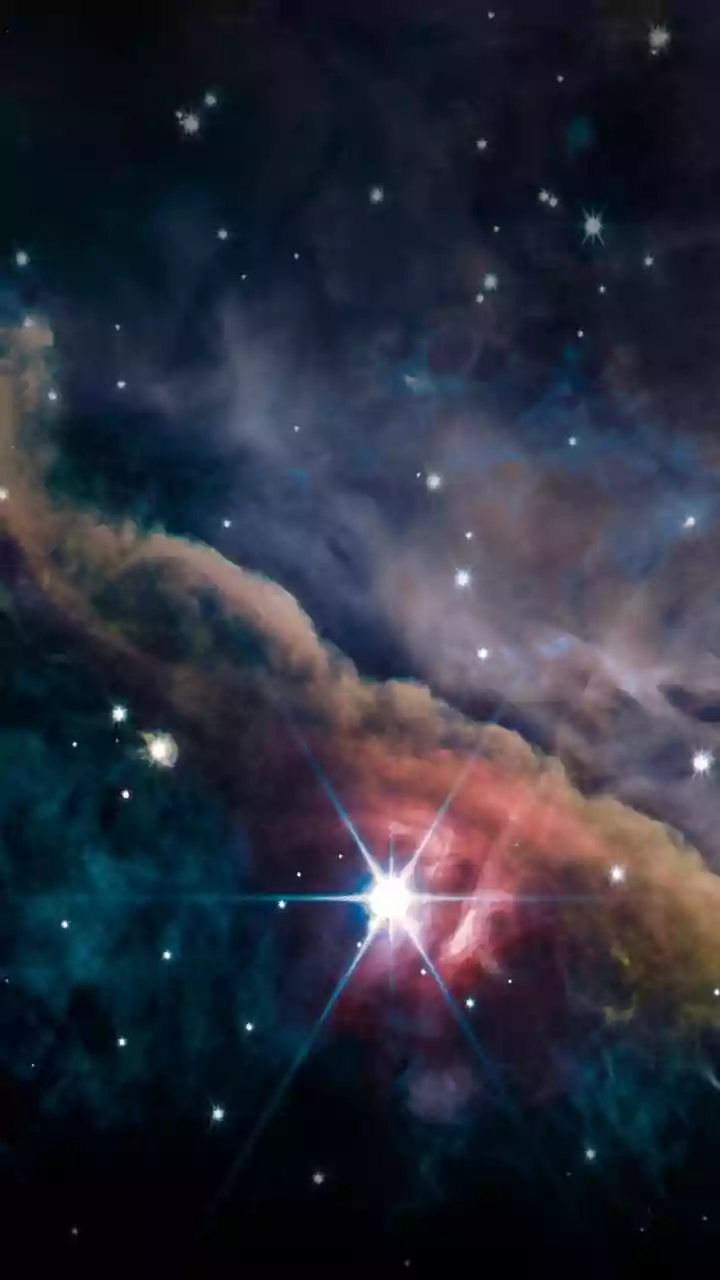
Since its first images were revealed, the James Webb Space Telescope (JWST) has fundamentally changed our view of the universe. Its powerful infrared eyes peer through cosmic dust to witness the birth of stars and the formation of the earliest galaxies.
But beyond the stunning visuals that populate our screens, the mission was designed with a core principle of democratic access. The goal was not just to collect data for a handful of elite scientists, but to create a resource for the entire world. This philosophy ensures that the telescope's discoveries don't just belong to the institutions that built it, but to humanity as a whole, opening up a new frontier for public engagement with deep space.
An Open Archive for the Universe
At the heart of this accessibility is the Mikulski Archive for Space Telescopes (MAST). Hosted by the Space Telescope Science Institute, MAST is the official public repository for all of Webb's data. While the scientists who propose an observation get an exclusive access period—typically up to a year—to analyze their findings, all the raw and calibrated data eventually become public. Anyone with an internet connection can visit the MAST portal, search for observations of a specific galaxy or nebula, and download the very same data that professional astronomers use. You can even subscribe to be notified when data from a specific program becomes public. This open-door policy has turned the archive into a treasure trove for researchers, students, and amateur astronomers alike, allowing for fresh analysis and unexpected discoveries from existing data.
Your Invitation to Discovery
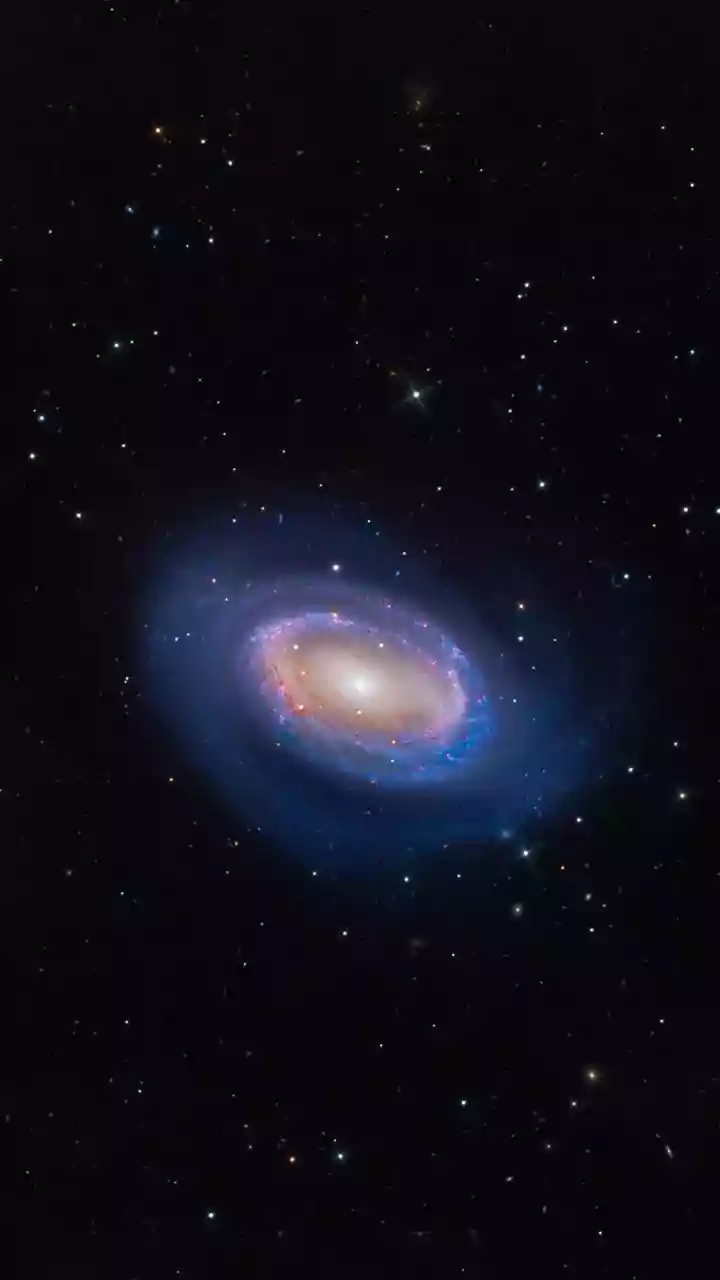
Perhaps the most direct way the public can engage with Webb's findings is through citizen science. Projects hosted on platforms like Zooniverse actively invite volunteers to contribute to real scientific research. One prominent project, Galaxy Zoo, now incorporates images from the JWST, asking users to help classify the shapes of distant galaxies. By answering simple questions about an image, you can help astronomers understand how galaxies evolve over billions of years. No prior expertise is required—just a keen eye and a desire to explore. Other citizen science projects, like Backyard Worlds: Planet 9, use Webb's powerful capabilities to follow up on potential discoveries of brown dwarfs and other nearby objects found by volunteers. These initiatives transform passive admiration into active participation, making every participant a genuine partner in the scientific process.
Seeing the Universe with New Senses
Accessibility extends beyond just data portals. Recognizing that not everyone experiences the universe visually, NASA has pioneered data sonification projects. These initiatives translate Webb's complex data—such as the brightness, colour, and position of stars and gas—into sound. This allows blind and low-vision individuals to experience the structures of nebulae like the Cosmic Cliffs in Carina or the Southern Ring Nebula through captivating soundscapes. The different elements in an image are mapped to different notes and volumes, creating a symphony of cosmic information. These sonifications are not just for accessibility; they offer everyone a new, multi-sensory way to appreciate the data, revealing patterns that might be missed by the eye alone and proving that the wonders of the cosmos can be felt and heard, not just seen.
Bringing the Cosmos to Your Screen
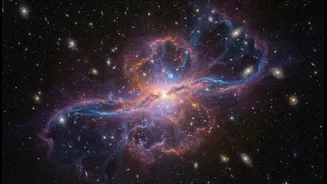
Of course, the most immediate form of access comes from the breathtaking, fully processed images that NASA, ESA, and CSA share with the public. These aren't just raw data; they are carefully crafted works of art and science designed to communicate the wonder of discovery. To mark its fourth year of science operations, for instance, the Webb team released a stunningly detailed new view of the galaxy Centaurus A, peeling back layers of dust to reveal millions of individual stars and the chaotic heart of a galactic collision. These regular releases, shared widely on social media and official websites, are accompanied by expert explanations that provide context and meaning, turning a beautiful picture into a story about our universe's history and its future.