


Why It’s More Than Just a Trend
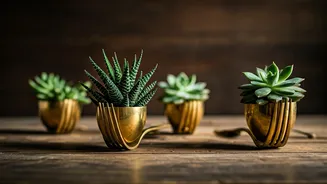
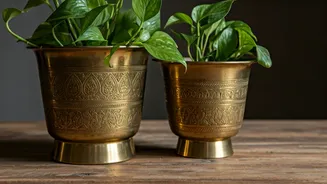
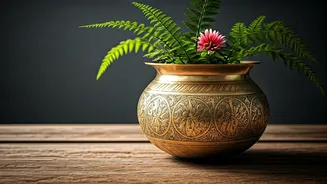
At its heart, the bohemian aesthetic is about freedom, individuality, and a connection to nature and history. Upcycled brass planters tick all these boxes. Unlike mass-produced ceramic pots, each vintage brass piece tells a story. It might be an old ‘lota’
that once held water, a ‘tiffin’ carrier that packed countless meals, or a decorative ‘urli’ that floated flowers during festivals. By giving these items a new life as a home for plants, you’re not just decorating; you’re curating a space with soul. This move away from the generic and towards the personal is a core reason the trend has such a strong hold. It’s a quiet rebellion against fast furniture, favouring objects that have lived a life before entering yours.
A Beautiful Nod to Indian Heritage
For many in India, this trend feels like coming home. Brass has been an integral part of Indian households for centuries, used for everything from cooking vessels and prayer items to decorative art. The gleam of polished brass is a familiar sight in traditional homes and temples. What makes this new wave exciting is the ‘upcycled’ element. It’s about looking at grandmother’s old brassware, not as something to be stored away in a dusty loft, but as a piece of functional art. It taps into a collective nostalgia while feeling completely modern. Using an old brass glass or a small pot as a planter for your desk succulent is a beautiful way to connect with your roots and bring a piece of tangible history into your daily life.
The Sustainable Choice
In a world increasingly conscious of its environmental footprint, upcycling is no longer a niche hobby; it’s a mainstream movement. Choosing to repurpose an old brass item instead of buying a new planter is a powerful act of sustainability. It saves a beautiful object from the scrap heap and reduces the demand for new production. This eco-conscious approach is central to the modern bohemian ethos, which values harmony with the environment. It feels good to know that your beautiful home decor choice is also a responsible one. This trend proves that sustainable living doesn't mean sacrificing style; in fact, it can lead to a more unique and interesting home.
Where to Find These Treasures
So, where do you find these unique brass pieces? The hunt is part of the fun! Start at home—ask parents or grandparents if they have any old, unused brassware. You might be surprised what you find. Next, explore local flea markets, antique shops, and your neighbourhood ‘kabadiwala’ (scrap dealer). These places are often treasure troves of discarded brass items that just need a good clean. Look for pieces with interesting shapes, engravings, and a rich patina. Don't worry about small dents or imperfections; they add to the character. Online marketplaces and Instagram thrift stores are also great places to look if you prefer to hunt from the comfort of your home.
Styling and Plant Care Tips
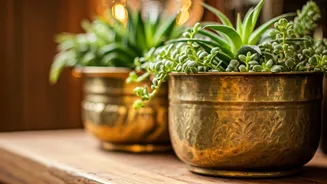
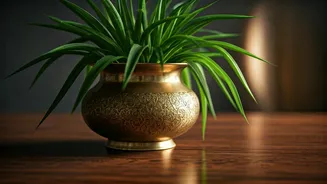
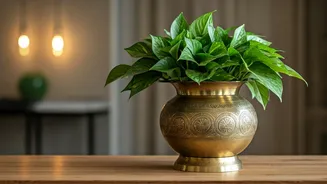
Once you have your brass planter, what do you put in it? Hardy, low-maintenance plants are a great match for the rustic look. Think succulents, snake plants, ZZ plants, or trailing varieties like pothos (money plant) that will cascade beautifully over the aged metal. A key consideration is drainage. Since most upcycled vessels won't have drainage holes, you have two options. You can either drill a hole yourself (if you're feeling handy) or, the easier method, use the brass piece as a ‘cachepot’. Simply keep your plant in its original plastic nursery pot and place it inside the brass vessel. This prevents water from sitting at the bottom and causing root rot, ensuring both your plant and your precious brass stay healthy.