





The Rise of Refined Oils
For decades, refined vegetable oils have been the default choice in many Indian households. Promoted for their high smoke points and neutral flavour, these oils undergo an intense industrial process. To extract the maximum amount of oil from seeds like
sunflower, soybean, or canola, manufacturers use high heat and chemical solvents like hexane. This process is followed by bleaching to remove colour and deodorising to remove any smell. While efficient from a production standpoint, this aggressive refining strips the oils of their natural nutrients, antioxidants, vitamins (like Vitamin E), and minerals, leaving behind a product that is often nutritionally empty.
What 'Cold-Pressed' Really Means
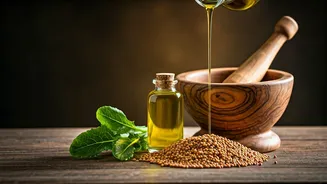
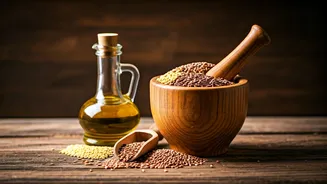
In contrast, cold-pressed oils are a throwback to a simpler, more natural method of extraction. Known in India as 'kachi ghani' or 'chekku', this technique involves crushing oilseeds at a low temperature without the use of any heat or chemical agents. The seeds are simply pressed, and the oil is collected. Because the temperature is kept below 49°C, the oil retains its natural flavour, aroma, and, most importantly, its nutritional integrity. This means the antioxidants, vitamins, and healthy fatty acids that are naturally present in the seeds make it into the final bottle. It’s the difference between a heavily processed food and a whole food.
The Health Showdown
The primary argument for switching to cold-pressed oils lies in their health benefits. They are rich in monounsaturated and polyunsaturated fatty acids (MUFAs and PUFAs), which are known to support heart health. They also contain potent antioxidants that combat oxidative stress and inflammation in the body. For instance, cold-pressed mustard oil retains its pungent allyl isothiocyanate, which has anti-inflammatory properties. Cold-pressed coconut oil is rich in lauric acid, and cold-pressed groundnut oil is a great source of Vitamin E. Refined oils, having been exposed to high heat, can sometimes contain unhealthy trans fats and lack these beneficial compounds. The clear, odourless nature of refined oil is a sign that its natural character has been stripped away.
Your Guide to Using Cold-Pressed Oils
Making the switch doesn't have to be complicated. The key is to use the right oil for the right job. While some worry about the lower smoke point of cold-pressed oils, most everyday Indian cooking—like preparing sabzis, dals, and tadkas—happens at medium heat, well within the safe range for these oils. - **Mustard Oil (Sarson ka Tel):** A staple in North and East India, its high pungency is perfect for pickles, marinades, and traditional curries. - **Groundnut Oil (Moongphali ka Tel):** With its nutty flavour, it’s excellent for sautéing and light frying, popular in Western India. - **Coconut Oil (Nariyal ka Tel):** The foundation of South Indian and coastal cuisine, it’s great for tempering, stir-frying, and baking. - **Sesame Oil (Til ka Tel):** Used extensively for its distinct flavour in both cooking and as a finishing oil, particularly in South Indian cuisine.
Making the Change Smartly
Cold-pressed oils are typically more expensive than their refined counterparts due to the lower yield and more labour-intensive process. If budget is a concern, you don't have to overhaul your entire pantry overnight. Start by introducing one type of cold-pressed oil for a specific purpose, like using cold-pressed groundnut oil for your daily sabzi. Because these oils have strong, natural flavours, you may find you need to use less. Remember to store them in a cool, dark place away from direct sunlight to preserve their freshness and prevent them from going rancid.