
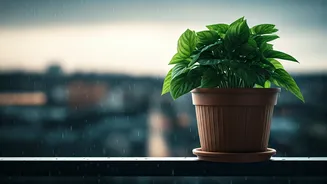

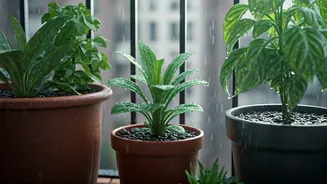


Rethink Your Watering Schedule
The single biggest danger to indoor plants during the monsoon is overwatering. With high humidity in the air, soil dries out much more slowly. Watering on a fixed schedule is a recipe for disaster, leading to waterlogged soil and the dreaded root rot.
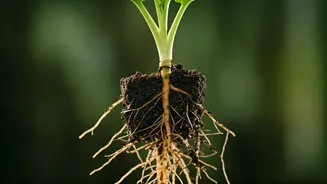
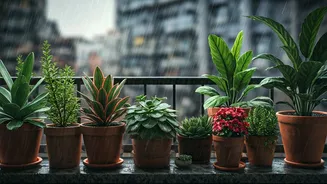
Before you even think about reaching for the watering can, check the soil. Stick your finger about an inch or two into the pot. If it feels damp, wait. Your plant has enough moisture. Most indoor plants, including hardy ones like snake plants and ZZ plants, will require significantly less water during this season. Also, ensure you empty any water that collects in the pot's saucer; letting a plant sit in stagnant water is a direct invitation for root decay.
Maximise Light and Airflow
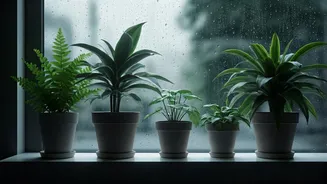
Monsoon skies are often grey and overcast, drastically reducing the natural light inside our homes. While many houseplants are tolerant of low light, they still need some to photosynthesise and stay healthy. To combat the gloom, move your plants to the brightest possible location, such as a south-facing window or a spot that gets consistent indirect light. Regularly rotating your plants ensures all sides get a share of the available light. Equally important is airflow. Stagnant, humid air is a breeding ground for fungal diseases like powdery mildew. Improve ventilation by opening windows when it's not raining or using a small, gentle fan to create a breeze. Good air circulation helps dry foliage and the soil surface, warding off fungal issues.
Watch for Pests and Diseases
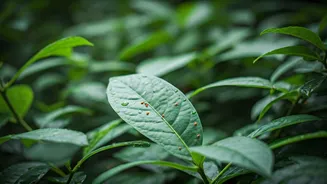
The warm, damp conditions of the monsoon are an open invitation for pests and fungal diseases. Fungus gnats, mealybugs, and spider mites thrive in high humidity. Regularly inspect your plants, paying close attention to the undersides of leaves and the points where leaves meet the stem. If you spot pests, isolate the affected plant immediately to prevent them from spreading. You can often treat minor infestations by wiping the leaves with a solution of neem oil and mild soap. Fungal infections often appear as white powdery patches (powdery mildew) or brown spots on leaves. To prevent these, ensure good airflow and avoid getting water on the leaves when you water. A light pruning of dense foliage can also improve circulation and reduce disease risk.
Pause on Fertilising and Repotting
The monsoon is a period of rest for many indoor plants. Due to lower light levels, growth slows down, and they don't require the extra nutrients that fertilisers provide. Fertilising a plant that isn't actively growing can lead to 'fertiliser burn,' which can damage the roots. It's best to pause your feeding schedule until the days get brighter and you see signs of new growth. Similarly, this is not the ideal time for repotting. Repotting causes stress to a plant as it adapts to its new environment. Doing this during an already challenging season can be too much for it to handle. Unless a plant is severely root-bound or suffering from root rot that requires immediate intervention, it's better to wait until after the monsoon passes.
Ensure Excellent Drainage
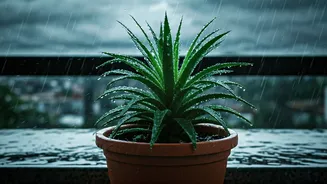
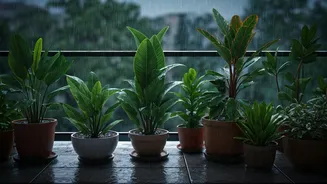
Good drainage is always important, but it's non-negotiable during the rainy season. Before the monsoon sets in, it's a good idea to check that the drainage holes in your pots are clear and not blocked. If your pots are in decorative cachepots without holes, always remove the inner pot for watering and let it drain completely before putting it back. To further improve drainage and prevent pots from sitting in puddles on a balcony or windowsill, you can elevate them slightly using pot feet or even bricks. Using a light, well-draining potting mix with amendments like perlite or coco peat also goes a long way in preventing the soil from becoming a dense, soggy mass.