






The Powerhouse in the Purple Root
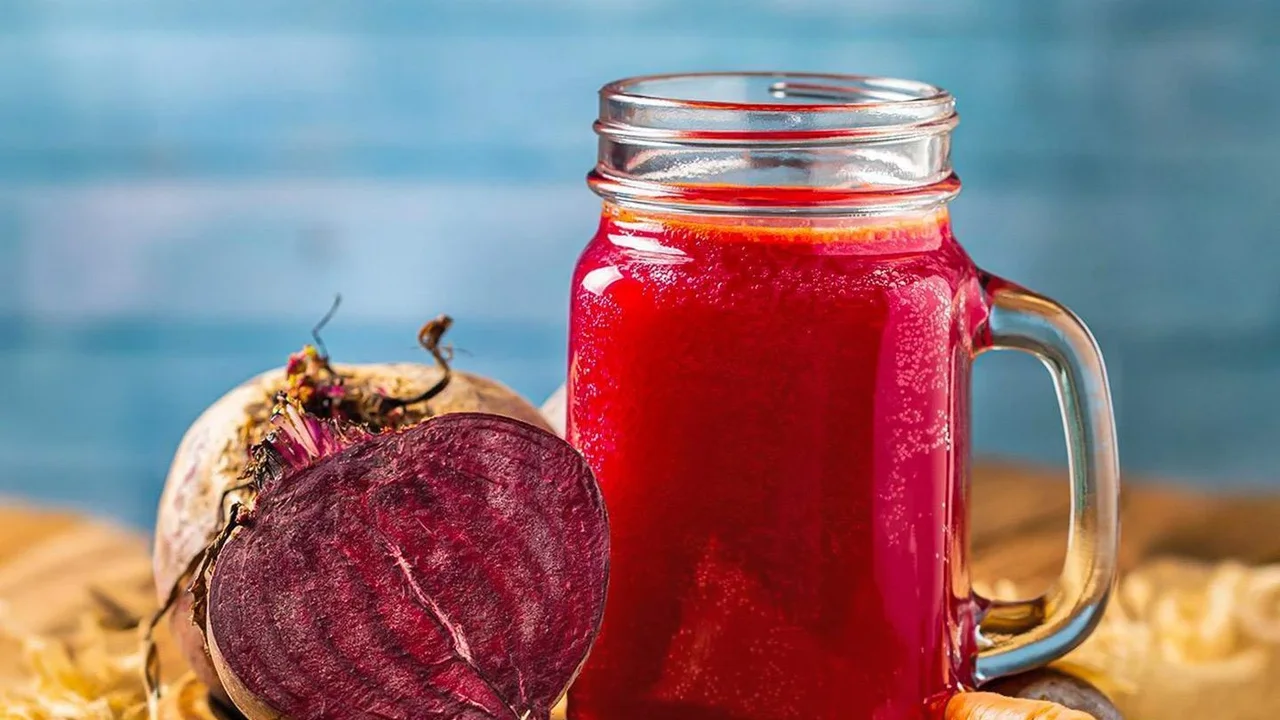
Before we get into sprinting, let's talk about the star of the show: dietary nitrate. Found abundantly in leafy greens and, most famously, in beetroot (known as chukandar in India), this compound is making waves in the world of sports nutrition. When
you consume nitrate-rich foods, bacteria in your mouth begin a conversion process, turning nitrate into nitrite. This nitrite is then absorbed into your bloodstream and, in areas of the body with low oxygen, it converts into nitric oxide (NO). This is where the magic happens. Nitric oxide is a potent vasodilator, meaning it helps relax and widen your blood vessels. This process allows for more efficient blood flow, delivering vital oxygen to your working muscles.
Optimising Your Muscle's Fuel Efficiency
The headline claim centres on 'optimising cellular muscle oxygen utilization'. In simpler terms, this means beetroot nitrate may help your muscles do more work with less oxygen. Think of it like improving your car's mileage; you can go further on the same tank of fuel. During intense exercise like sprinting, your muscles are screaming for oxygen. By improving the efficiency of mitochondria—the power plants within your muscle cells—nitrate supplementation can reduce the overall oxygen cost of exercise. This allows you to maintain a higher intensity for longer or produce more power for the same perceived effort. Several studies have shown that this can lead to enhanced performance, particularly in high-intensity intermittent exercise, which is characteristic of sports like football, rugby, and track sprinting.
Sprinting and the Science
So, does it actually make you sprint faster? The evidence is promising, but also nuanced. Some research has demonstrated significant improvements in repeated sprint performance. For example, one study noted a 3.5% improvement in sprint work after supplementation. Another found that nitrate enhanced the performance of shorter, repeated sprints. This is particularly relevant for team sports that involve bursts of speed. However, it's not a universal guarantee. Other studies, particularly those looking at single, maximal sprints like a 60m or 100m dash in highly trained sprinters, have found no significant benefit. The effect also seems to be more pronounced in recreationally active individuals compared to elite endurance athletes who may already have highly optimised nitric oxide pathways. The consensus is that nitrate is most effective for high-intensity, intermittent efforts rather than a single, all-out sprint.
What 'Micro-Dosing' Really Means
The term 'micro-dosing' in this context shouldn't be confused with its more famous, illicit counterpart. Here, it refers to a strategy of consistent, targeted supplementation rather than taking one huge dose. Research points to two main protocols: acute and chronic loading. An acute dose involves consuming the target amount of nitrate 2-3 hours before exercise to align with peak nitric oxide availability in your blood. Chronic loading, which is closer to the 'micro-dosing' concept, involves taking a daily dose for several days (typically 3-7 days) leading up to a competition or key training period. This strategy aims to build up your body's nitrate and nitrite stores, potentially offering a more sustained benefit. The clinically effective dose is generally considered to be between 300mg and 600mg of nitrate per serving. This translates to about 500ml of standard beetroot juice or 1-2 concentrated 70ml shots.
Is It Worth a Try?
If you're an amateur or recreational athlete involved in sports that require repeated bursts of speed, beetroot nitrate could offer a legal and natural performance edge. The key is consistency and timing. You can't just take a sip right before you start and expect results. For the best effect, aim for an acute dose about 2-3 hours before your workout or event. You can get nitrates from eating whole beets, but you'd have to eat a significant amount (around 200-300g) to hit the performance-enhancing dose, which might feel heavy before exercise. Concentrated juices or standardized powders offer a more practical and reliable way to get the required amount of nitrate. Be aware of the most common side effect: beeturia, which is harmless pink or red urine and stools. Some people may also experience gastrointestinal discomfort, so it's wise to test it during training before relying on it for an important event.