


A Village Embracing the Dark
In the Surgana taluka of Nashik district lies Udhamal, a tribal village preparing to become what could be India's first internationally certified 'Dark Sky Community'. Unlike a Dark Sky Park, which is usually a protected, uninhabited area, a Dark Sky Community is a lived-in
town or village that has made a collective commitment to preserving the natural darkness. This involves adopting smart, shielded lighting that points downwards, using warm-coloured bulbs, and passing local resolutions to protect the night sky from light pollution. The district administration has sanctioned ₹42.14 lakh to fund the project, which aims to turn the village's pristine night sky into a unique asset.
The Core Stargazing Experience
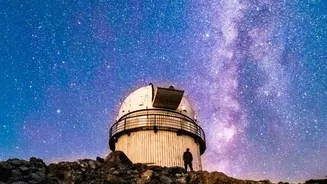
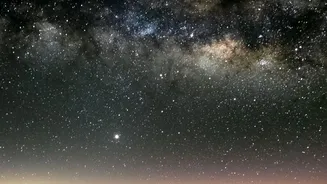
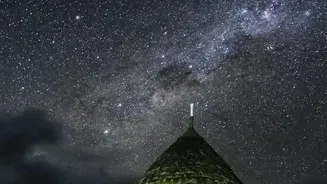
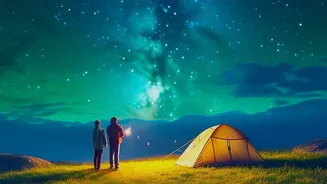
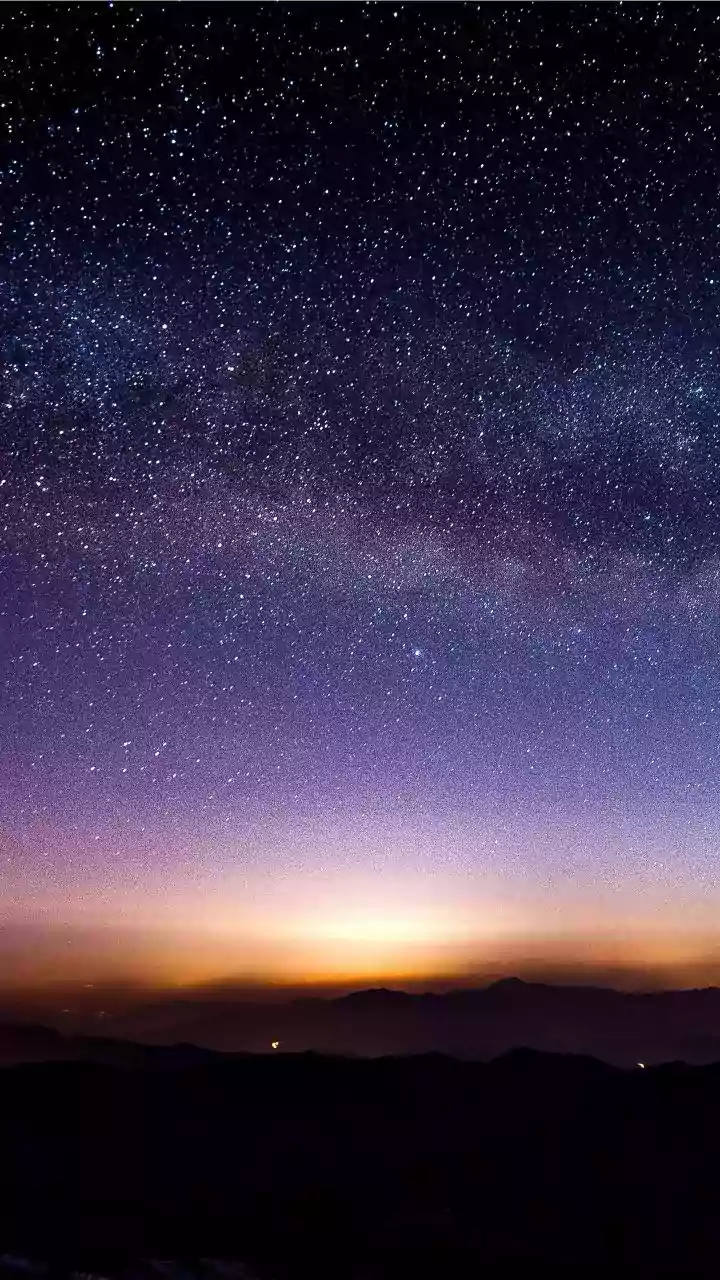
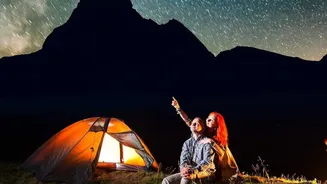
For travellers, the main attraction would be the simple, profound act of looking up at an unpolluted sky. In places like Udhamal, which sits on a hilltop with no major urban centre for several kilometres, the Milky Way can become a visible band of light stretching across the heavens. Visitors could see thousands of stars, constellations in sharp detail, and even planets with the naked eye. The plan is to offer guided stargazing sessions, where local youth trained in astronomy point out celestial objects using telescopes. Imagine seeing the rings of Saturn or the craters of the Moon for the first time, guided by someone from the community whose heritage is tied to that very land. These sessions would offer a chance not just to see, but to understand the cosmos.
Astrophotography and Workshops
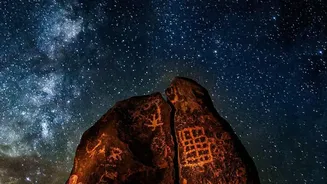
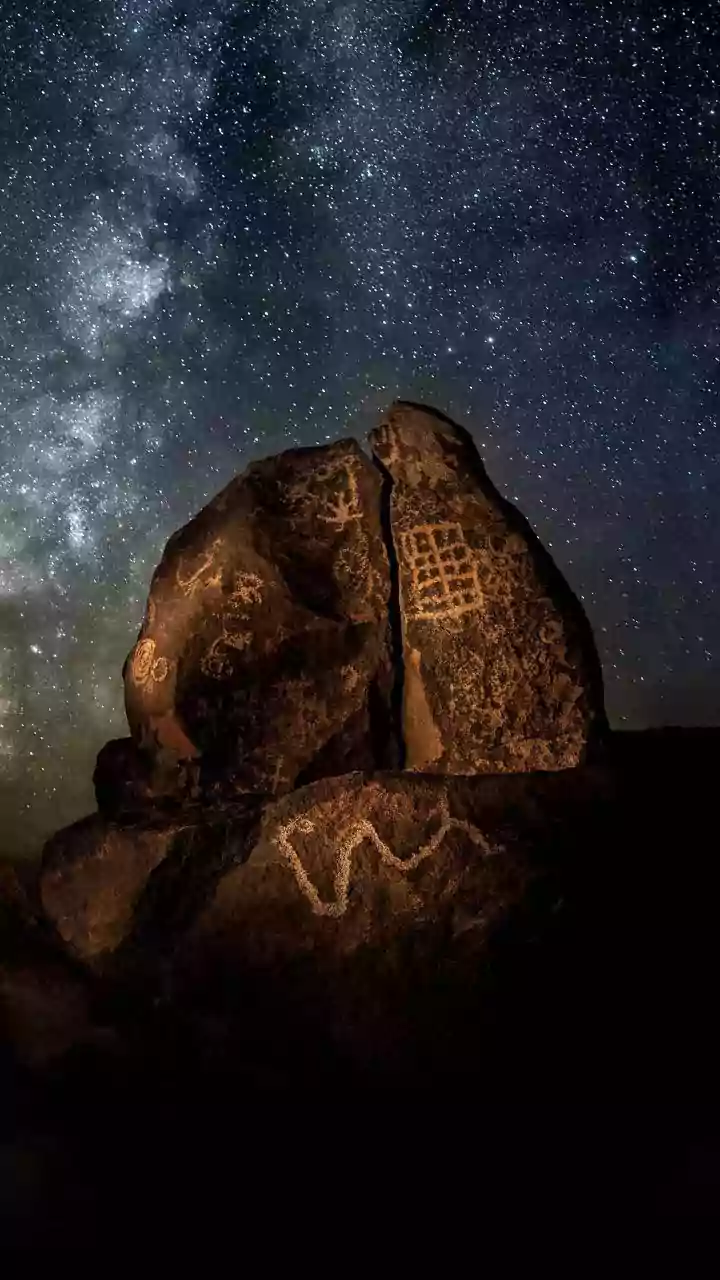
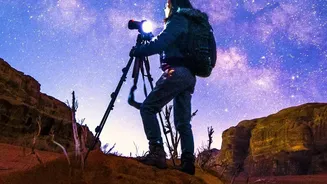
Beyond simply viewing, a dark sky village is a paradise for astrophotography enthusiasts. With minimal light pollution, photographers could capture stunning images of the Milky Way, star trails, and deep-sky objects that are impossible to shoot from a city. The proposal includes plans for educational programmes and workshops. Travellers could expect to find sessions on constellation identification, the science of the cosmos, and how to take their own celestial photographs, making the trip both a vacation and a learning experience. These activities turn a night in the village into an interactive cosmic classroom under an open sky.
Life Beyond the Night Sky
A trip to Udhamal would offer more than just nighttime wonders. During the day, travellers could immerse themselves in the life of a Kokna tribal village. This means experiencing the local culture, enjoying traditional food, and exploring the surrounding landscape of the Western Ghats. The initiative is designed as a community-led model, meaning tourism directly supports the residents. Visitors might stay in homestays, buy local handicrafts, and contribute to a sustainable economy that gives the community a strong incentive to preserve its natural and cultural heritage. It's a form of tourism where travellers can see their money making a tangible, positive impact.
A Growing Movement in India
The Nashik proposal doesn't exist in a vacuum. It is part of a growing trend in India recognizing the value of dark skies. In Ladakh, the Hanle Dark Sky Reserve was established as India's first such sanctuary in 2022, centred around the Indian Astronomical Observatory. Similarly, Pench Tiger Reserve in Maharashtra became the country's first Dark Sky Park. The Udhamal initiative, however, is unique because it focuses on a living community, aiming to integrate night sky preservation into the daily lives of its residents. For travellers, this means a chance to be part of a pioneering effort in sustainable, science-backed tourism.