





A Deliberate Pause in a Digital World
For a generation that has never known a world without the internet, the appeal of snail mail lies in its slowness. Young Indians, who spend hours daily navigating social media and messaging apps, are increasingly experiencing screen fatigue and a sense
of digital burnout. The act of writing a letter offers a tangible break from the relentless scroll and the pressure to perform online. It’s a form of digital detox that doesn’t require abandoning technology entirely but instead carves out a private, screen-free space for reflection. This deliberate delay—the time it takes to write, post, and await a reply—transforms communication from an instant transaction into a meaningful experience, creating a sense of anticipation that a WhatsApp message can never replicate.
The Tangible Joy of a Physical Letter
Beyond the digital disconnect, the physical nature of a letter is a major draw. Holding a piece of paper that someone has taken the time to write on, seeing their unique handwriting, and unfolding a message meant only for you creates a powerful personal connection. This tactile experience is a stark contrast to the impersonal nature of a typed email or a direct message. In an age of ephemeral content, a letter is a keepsake—a physical artifact of a friendship or relationship that can be pinned to a wall or treasured in a box for years. This permanence provides a sense of grounding and intimacy that many feel is missing from modern communication.
A Creative Outlet Fueled by Aesthetics
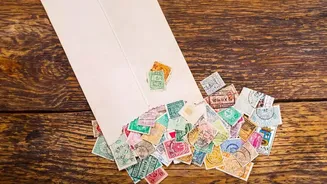
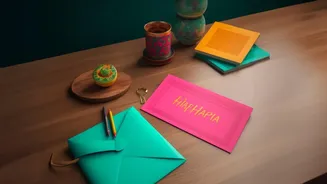
The snail mail revival is not just about writing; it's also a highly creative and aesthetic pursuit. The growing market for specialized stationery—from handmade paper and fountain pens to washi tape and wax seals—testifies to this trend. For many, preparing a letter is an artistic act. Social media platforms, ironically, have become a hotbed for this offline trend. Hashtags like #snailmail and #penpals are filled with images of beautifully decorated envelopes, intricate calligraphy, and curated collections of stickers and stamps. These digital communities inspire others and help them discover new products and techniques, turning letter writing into a visual hobby. Some artistic entrepreneurs have even started mail clubs, offering paid subscriptions for monthly packages filled with handwritten notes and creative goodies.
Finding Community Beyond the Screen
While social media acts as a catalyst, the ultimate goal is to build genuine offline connections. Young Indians are finding pen pals through Instagram communities, dedicated websites, and even apps, connecting with strangers across the country and the globe. These relationships are built on shared interests and the mutual desire for slower, more thoughtful interaction. In response to this growing interest, even India Post is adapting. It has launched initiatives like the “Patra Utsav” letter-writing festival and even piloted a “Gen Z Post Office” with a modern aesthetic, aiming to make the post office a welcoming space for younger generations. These efforts are helping to build a bridge between the digital platforms where these communities form and the physical infrastructure needed to sustain them.