






Read the Rain, Don't Just See It
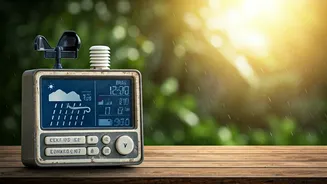
The first step for any monsoon travel is to get a detailed weather forecast. A simple rain icon on your phone isn't enough. The India Meteorological Department (IMD) has issued alerts for heavy to very heavy rainfall in several states, including Uttarakhand,
Uttar Pradesh, and Madhya Pradesh. This could mean anything from pleasant showers to dangerous downpours causing flash floods. Use the official IMD website or reliable weather apps to check for specific warnings like thunderstorms or high-speed winds, which are predicted for the Delhi-NCR region. Understanding the intensity and duration of expected rainfall helps you decide whether to proceed, delay, or choose a different destination that is less affected by heavy rains.
Scrutinise Your Route for Safety
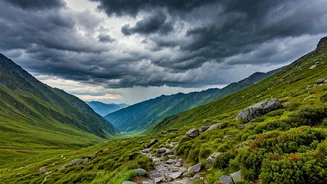
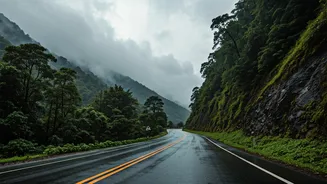
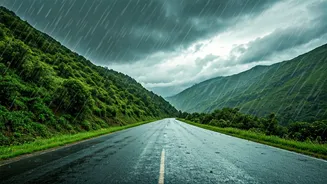
Once you know the weather, the next critical check is your travel route. Monsoon rains make roads unpredictable. Hilly regions like the Western Ghats and the Himalayas are particularly prone to landslides, falling rocks, and sudden road blockages. Recent advisories have specifically warned travellers about difficult conditions in the hills of Uttarakhand. Even on the plains, waterlogging can bring traffic to a standstill for hours, as can be expected in cities like Varanasi and Prayagraj. Before you leave, use real-time traffic apps to check for closures or delays. It's always wise to have an alternative route planned. If possible, avoid night driving, as visibility can drop to near-zero in heavy fog or a downpour. For longer distances, consider public transport or hiring a local driver familiar with the treacherous monsoon road conditions.
Confirm Your Stay, Then Confirm Again
Arriving at your destination only to find your hotel inaccessible or your booking cancelled is a common monsoon travel nightmare. Heavy rains can cut off access to remote resorts or cause properties to temporarily shut down. It's essential to not just book your stay but to also verify it. Call the hotel directly a few days before your trip. Ask specifically about the road access to the property and if they are fully operational. This is especially important if you booked through a third-party website, as communication gaps can occur. Confirming your room type, check-in time, and other details can prevent unpleasant surprises. Get a confirmation number and the name of the person you spoke with, so you have a record in case of any issues upon arrival.
Pack Smart for a Wet Weekend
Monsoon travel requires a specific packing strategy. Prioritise items that can handle the damp. Pack quick-drying synthetic clothes instead of cotton, which takes a long time to dry and can develop a musty smell. A sturdy umbrella and a reliable raincoat are non-negotiable. Your footwear should be waterproof with a good grip to handle slippery surfaces. Protect your electronics by carrying them in waterproof bags or zip-top pouches. It's also wise to carry a power bank, as power cuts can be frequent during storms. Finally, assemble a basic first-aid kit with essentials like bandages, antiseptic cream, insect repellent, and any personal medications, as reaching a pharmacy might be difficult in bad weather.