

The Sun's Turbulent Peak
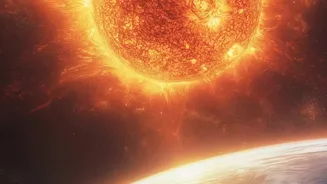
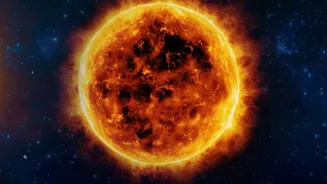
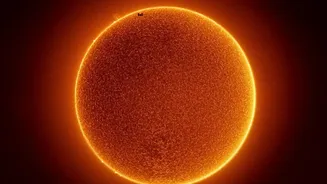
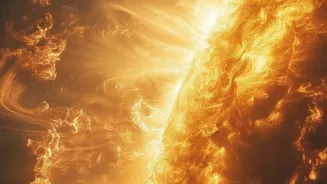
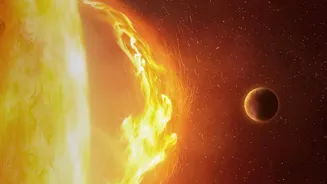
Every 11 years or so, the sun’s magnetic field flips, marking the height of its activity cycle, known as solar maximum. The current cycle, Solar Cycle 25, reached its predicted peak in late 2024. During this time, the sun's surface becomes a hotbed of activity,
spawning a greater number of sunspots, solar flares, and massive eruptions of solar material. While this cycle is a normal part of our star's life, our increasing dependence on space-based technology makes each new maximum a greater concern. This recent peak has been the strongest this century in terms of powerful M-class and X-class flares, which are capable of causing significant disruptions. Even as we are now past the peak, activity remains high.
Cosmic Storms: Flares and CMEs
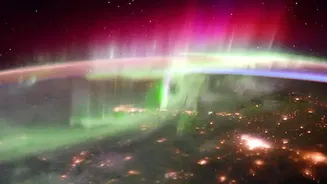
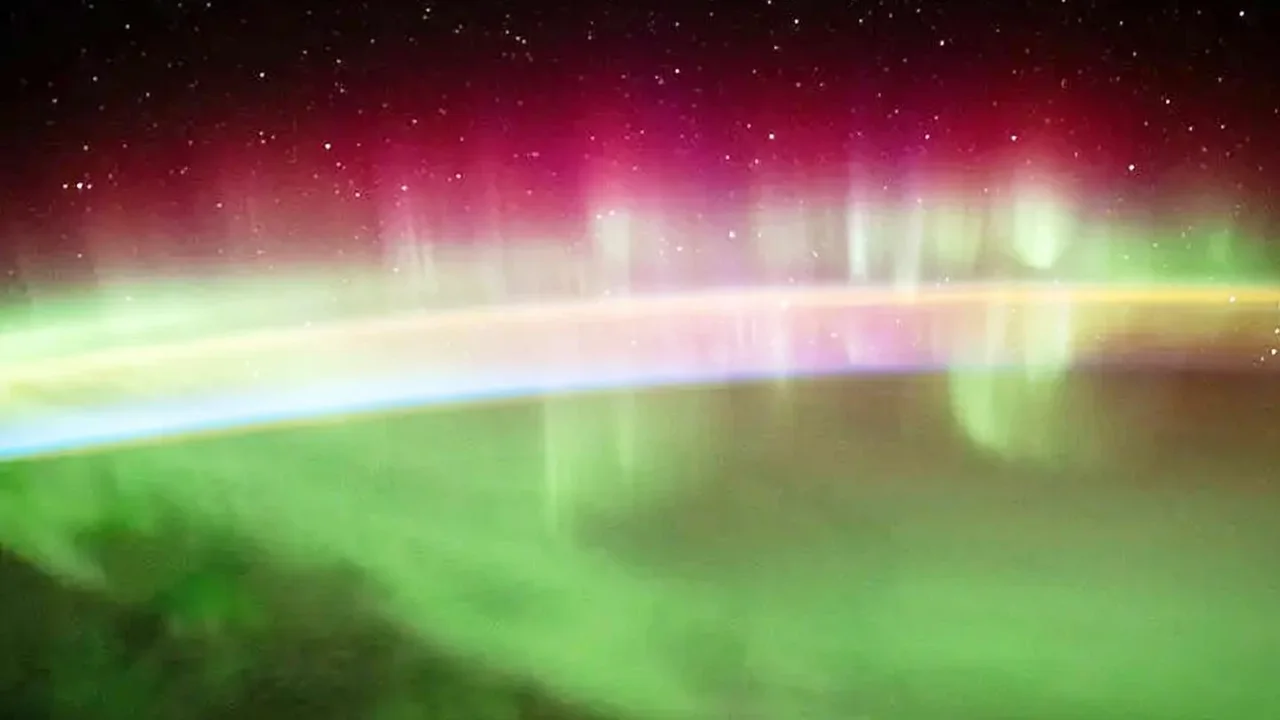
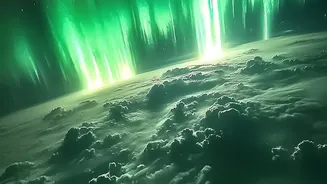
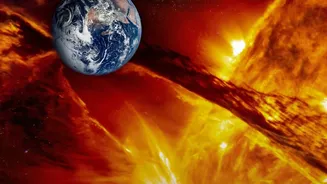
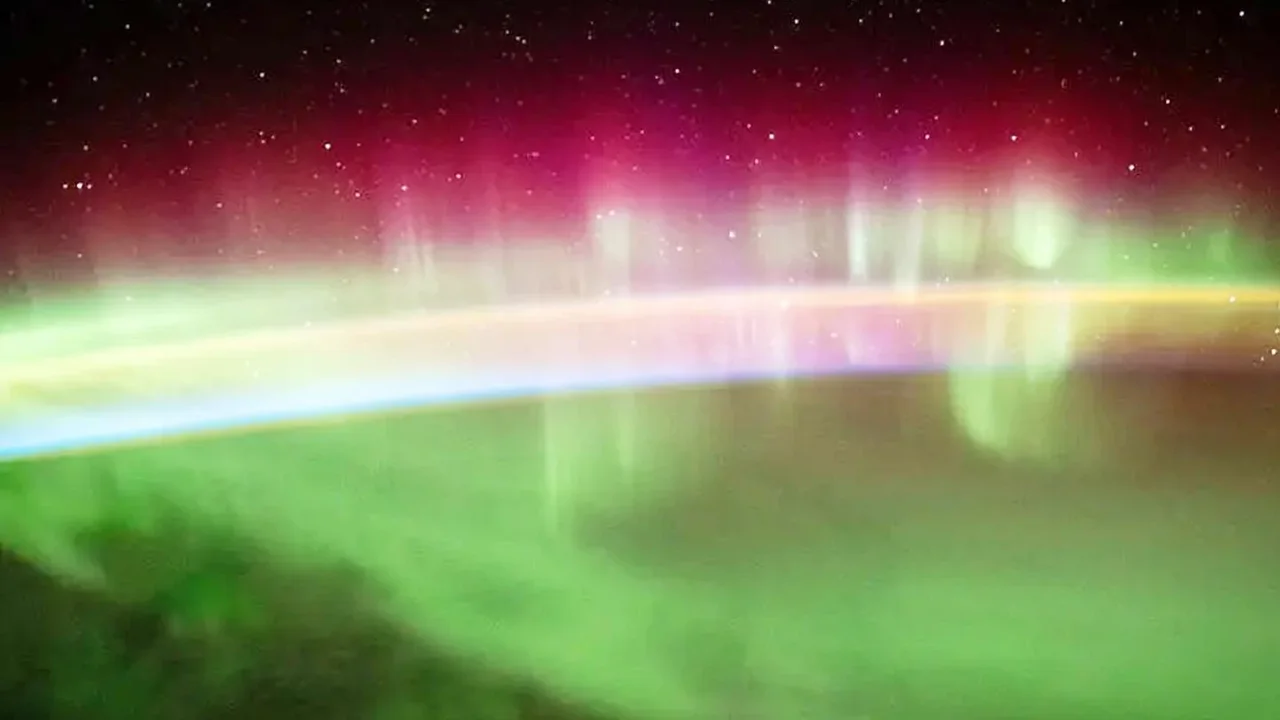
Two major types of solar events cause what we call 'space weather': solar flares and coronal mass ejections (CMEs). A solar flare is an intense burst of radiation. Travelling at the speed of light, this energy can reach Earth in about eight minutes, primarily affecting the ionosphere and disrupting high-frequency radio communications used by airlines and emergency services. CMEs are even more powerful. These are giant explosions of plasma and magnetic fields from the sun's corona, or outer atmosphere. A CME is less like a flash of light and more like a cannonball of charged particles, taking anywhere from a few hours to several days to cross the 150 million kilometres to Earth. When a CME slams into Earth's magnetic field, it can trigger a geomagnetic storm.
Satellites in the Firing Line
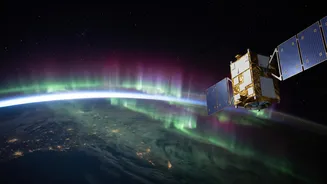
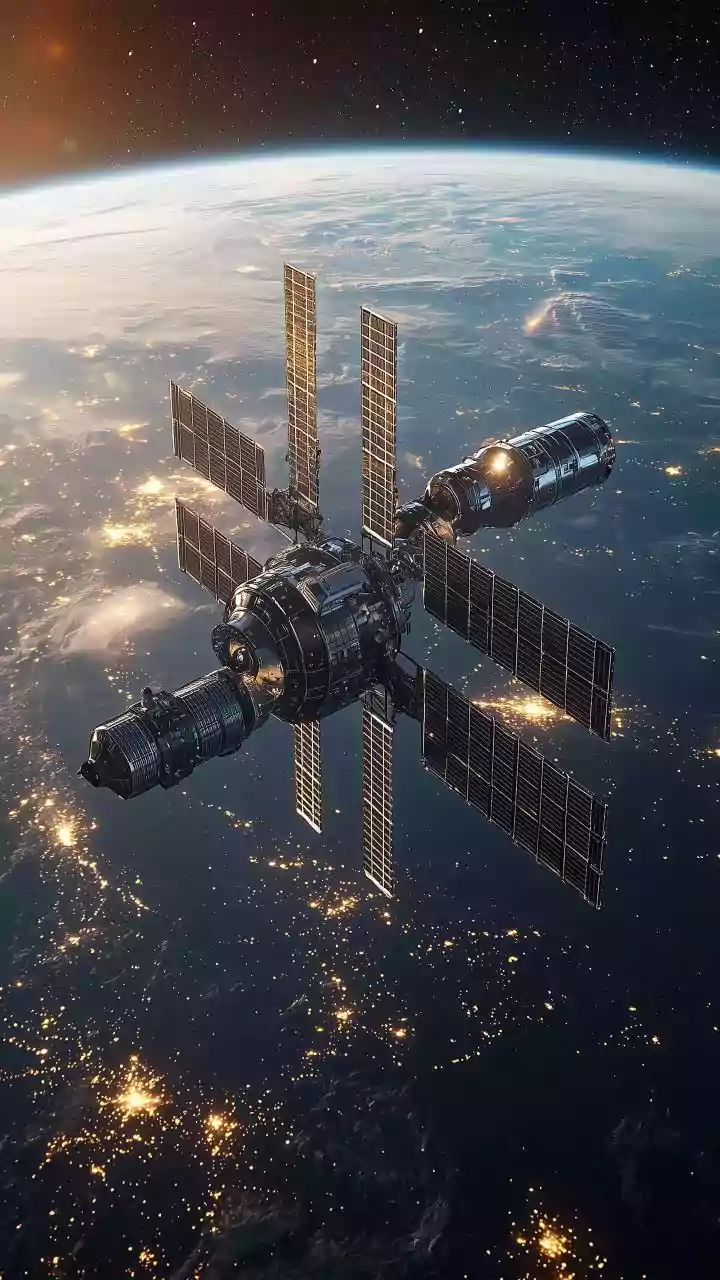
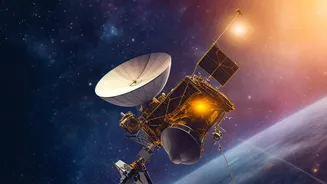
Orbital satellites are on the front line of space weather's assault. The effects are threefold. First, the influx of high-energy particles can damage or disrupt sensitive electronics, causing everything from minor glitches and 'phantom commands' to complete failure. Second, for satellites in low-Earth orbit (LEO), like the thousands that make up internet constellations such as Starlink, space weather heats and expands Earth’s upper atmosphere. This expansion increases atmospheric drag, slowing satellites down, causing them to lose altitude, and shortening their operational lifespan. In a notable 2022 incident, a geomagnetic storm led to the loss of 38 newly launched Starlink satellites. Finally, the charged particles can interfere with the radio signals that satellites use to communicate with Earth, degrading or blocking data transmission.
The Ripple Effect on Earth
The problems in orbit don't stay in orbit. A disruption to satellite networks has immediate consequences on the ground. The Global Positioning System (GPS), which relies on precise timing signals from satellites, can become inaccurate during a geomagnetic storm. This affects everything from the maps on your phone to aviation navigation and complex logistics for shipping and transport. Satellite communications, which support everything from international news broadcasts to financial transactions and remote internet access, can also suffer from signal degradation or blackouts. Even our power grids are vulnerable; powerful geomagnetic storms can induce currents in long transmission lines on the ground, potentially overloading transformers and causing widespread blackouts, as famously occurred in Quebec in 1989.
Building a Digital Shield
Protecting our vital infrastructure from a temperamental star is a growing priority for scientists and engineers. Mitigation strategies start with better forecasting. Agencies like NASA and NOAA constantly monitor the sun, providing warnings that give satellite and grid operators time to take protective measures. These can include temporarily shutting down non-essential systems on a satellite or putting it into a protective 'safe mode' to ride out the storm. Engineers are also designing more resilient hardware, using 'radiation-hardened' components that are less susceptible to damage from charged particles. For LEO constellations, operators can adjust satellite orbits to minimize the impact of increased atmospheric drag. More futuristic concepts are even being explored, such as a proposed 'StormWall' satellite constellation that could release gas to create a protective plasma shield in front of Earth during a superstorm.