




The Green Numbers Game
Recent assessments, including the India State of Forest Report (ISFR), have shown a net increase in the country's total forest and tree cover. This has helped India position itself as a global leader in afforestation and a significant carbon sink. The
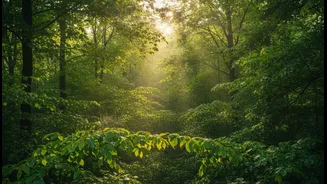
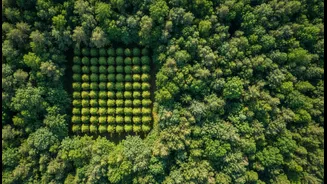
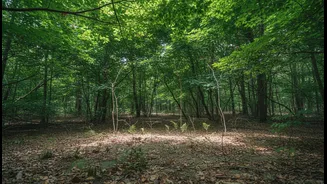
headline figures suggest a nation making great strides in its environmental commitments. However, the term 'forest cover' itself requires a closer look. Official definitions often group together a wide range of vegetation, from ancient, biodiverse forests to commercial plantations. This means that a newly planted area of eucalyptus trees, grown for timber, is counted in the same broad category as a centuries-old natural forest in the Western Ghats. While both are 'green,' their ecological value is worlds apart.
Monocultures: The Empty Green
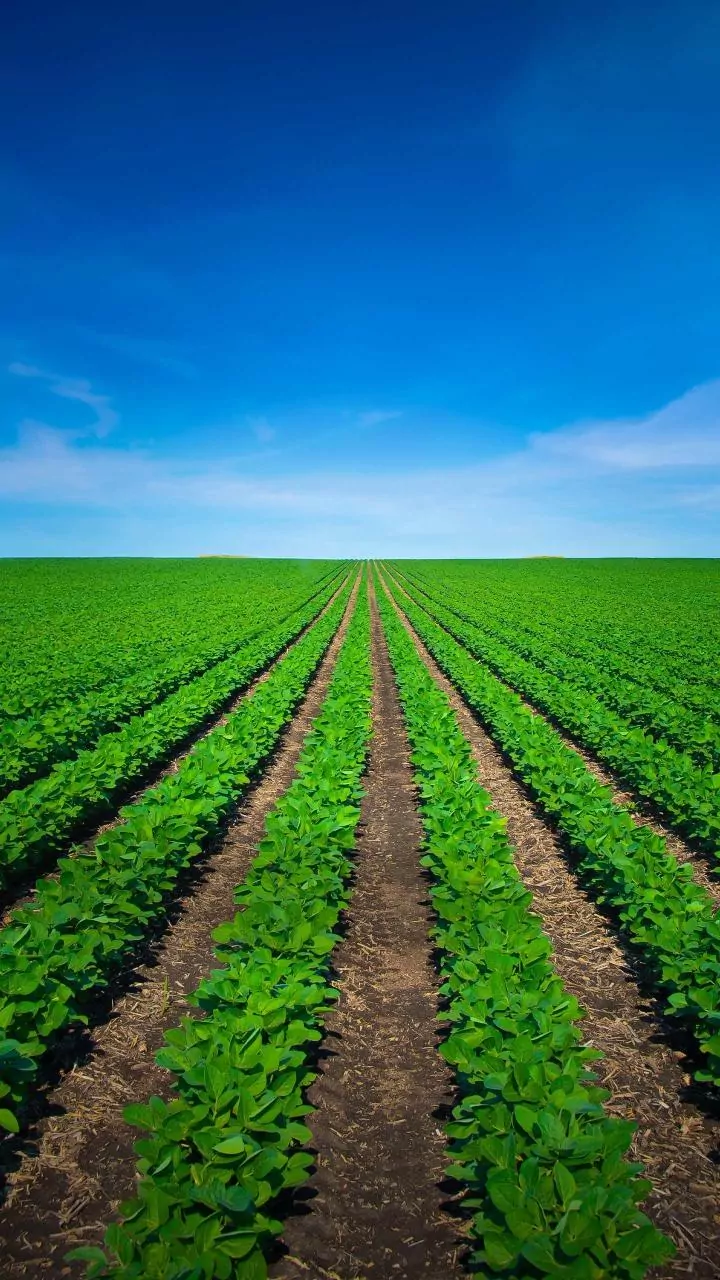
Much of the increase in green cover comes from plantations, often consisting of a single, fast-growing species—a practice known as monoculture. Species like eucalyptus, acacia, and teak are popular choices for afforestation projects because they grow quickly, showing rapid results that meet policy targets. However, these man-made ecosystems are often called 'green deserts' for a reason. Unlike natural forests, which support a complex web of life, monoculture plantations host significantly less biodiversity. Studies have shown fewer bird species, insects, and other wildlife in such areas compared to native, mixed forests. They create a simplified, fragile environment that lacks the resilience of a true forest.
The Hidden Ecological Costs
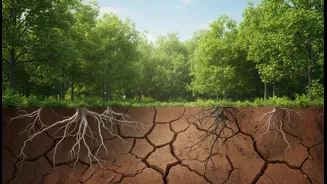
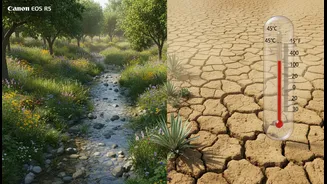
The problems with monoculture plantations go beyond a lack of biodiversity. Many non-native species, like eucalyptus, are notoriously thirsty, leading to the depletion of local groundwater tables. This is a critical issue in a country already facing significant water stress and groundwater depletion. The soil in these plantations also tends to be less healthy. Research has found that converting natural vegetation to monocultures reduces soil organic carbon, a key indicator of fertility and health. Furthermore, the uniform structure of these plantations can make them more susceptible to pests, diseases, and forest fires, posing a threat to the entire landscape.
What We Lose When We Lose Real Forests
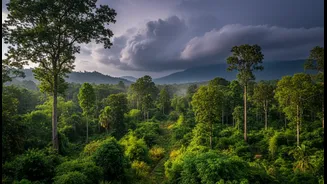
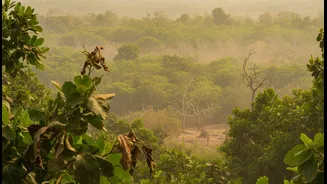
Even as overall green cover appears to rise, India has been losing its dense, natural forests in some areas, particularly in the ecologically sensitive Northeast and parts of the Western Ghats. This is a critical loss because natural forests are not just collections of trees; they are complex, self-regulating systems that provide irreplaceable services. They are far superior at sequestering and storing carbon long-term, especially in their rich soils. They regulate regional water cycles, prevent soil erosion, and moderate local climates. Perhaps most importantly, they support the livelihoods of millions of forest-dependent people who rely on a diversity of non-timber products.
A Better Way to 'Green' India
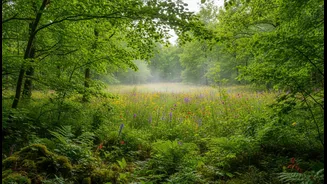
The solution is not to stop planting trees, but to shift the focus from quantity to quality. Ecologically sound restoration means prioritising the regeneration of natural forests wherever possible. When planting is necessary, the focus should be on using a diverse mix of native species that are well-suited to the local environment. This approach creates more resilient ecosystems that can better withstand threats like drought and disease. Involving local communities, who possess traditional ecological knowledge, is also crucial for the long-term success of any restoration effort. Empowering village assemblies to manage local forest areas, as seen in parts of central India, has yielded positive results in restoring degraded lands sustainably.