



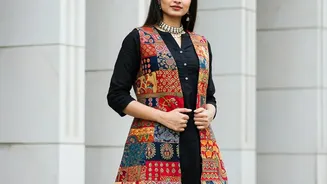
What is Transitional Dressing?
Transitional dressing is a practical approach to fashion that focuses on building outfits adaptable to changing conditions. Instead of dressing for a single outcome — a hot day or a cool evening — you dress for all the possibilities in between. It's about
creating a flexible wardrobe that can handle a cool morning commute, a warm afternoon, and a surprise rain shower without needing a complete change. The goal isn't just to wear more clothes; it's to wear smarter pieces that can be added, removed, or restyled as the day evolves.
The Art of Smart Layering
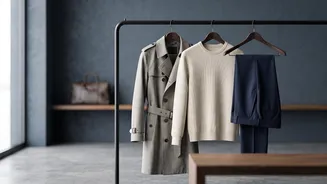
The core principle of transitional dressing is layering. But this isn't about piling on bulky winter wear. For the Indian climate, it's about light, intelligent layers. Think of a three-part system: a breathable base layer, an insulating mid-layer, and a protective outer layer. Your base could be a simple cotton tee. The mid-layer might be an unbuttoned shirt, a fine-knit cardigan, or a relaxed blazer. The outer layer is your defence against the elements — a lightweight waterproof jacket or a trench coat. The key is that each layer can be worn on its own or easily removed, allowing you to adapt on the go.
Fabric is Your Foundation
In a climate where humidity and heat are major factors, your choice of fabric is crucial. Heavy materials that trap moisture are the enemy. Instead, prioritise breathable, natural fabrics. Cotton is a reliable choice for its softness and ability to absorb sweat. Linen is another excellent option, valued for its ability to handle moisture and dry quickly. Other great choices include rayon blends, which drape beautifully, and lighter cottons like voile and muslin, especially for humid coastal areas. These fabrics ensure comfort, which is non-negotiable when the weather is unpredictable.
Your Transitional Wardrobe Staples
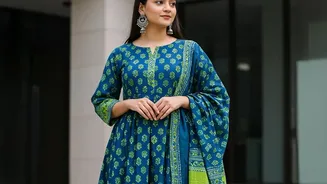
Building a transitional wardrobe doesn't require buying all new clothes. It's about focusing on versatile essentials that work hard for you. A lightweight blazer or an overshirt can instantly pull a look together while adding a removable layer of warmth. Don't underestimate the power of a good scarf; it can provide warmth on a chilly evening or protect you from the sun. Breathable co-ord sets, shirt dresses, and relaxed trousers are also heroes of a flexible wardrobe, offering style without clinging to the body. Finally, a classic denim jacket is a forever-good combination with almost any outfit, from dresses to kurtas.
From Summer Staples to All-Season Stars
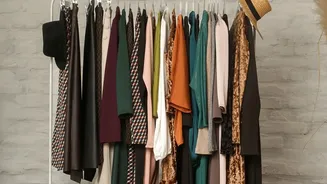
Don't be so quick to pack away your summer favourites. That floral maxi dress can get a new lease on life when paired with a cropped jacket or blazer. A simple satin camisole or basic tee, a staple of hot weather, becomes a perfect base layer under an oversized shirt or cardigan. The idea is to mix pieces from different seasons to create a look that works for the actual temperature, not just the calendar date. By pairing lighter summer items with more structured or warmer pieces, your wardrobe's utility expands significantly.
Footwear and Accessories Matter
Your shoes can make or break your comfort on a day with mixed weather. Heavy boots are impractical, but flimsy sandals might not survive a sudden downpour. Closed-toe shoes like sneakers, loafers, or ankle boots offer a great middle ground. During monsoon or post-monsoon periods, having a pair of anti-skid, water-safe sandals is a wise move. Accessories also play a key role. A structured bag can hold a folded umbrella or a lightweight cardigan. Minimal jewellery is often better in humid weather, preventing discomfort.