




The votes are in, and Washington has a new power dynamic. The US midterm elections have resulted in a divided government, leaving global markets and trade partners asking one big question: what happens now? Here's a look at the road ahead.
A New Era of Divided Government
The dust has
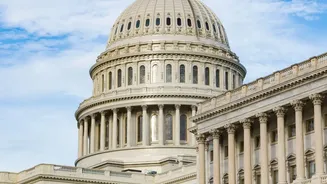
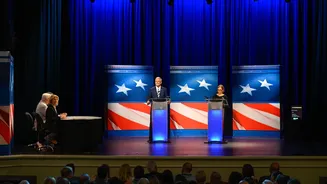
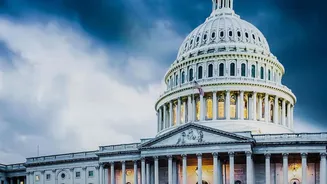
settled on the 2026 midterm elections, and the outcome is a divided government, with Democrats taking control of both the House and Senate, while the Republican administration remains in the White House. This split means that any new legislation will require bipartisan agreement, a scenario that historically leads to political gridlock but also imposes checks on presidential power. For international observers, this shift is significant. Congress holds constitutional power over trade and tariffs, and while much of that authority has been delegated to the president over the years, the new majority will undoubtedly seek to influence the direction of US economic policy through hearings, funding, and legislative pressure.
The Impact on Global Markets
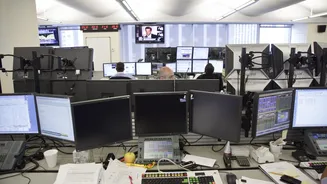
Financial markets, which dislike uncertainty, have reacted with a mix of relief and caution. Many global markets rallied following the results, betting that a divided government will restrain the administration from making impulsive trade decisions and reduce the likelihood of new, sudden tariffs. Energy prices saw a notable drop, with Brent crude falling below $100 a barrel, as investors speculated that a Democrat-controlled Congress could push for de-escalation in the Middle East. At the same time, some sectors, like AI and data centers, faced pressure amid concerns of increased regulatory scrutiny from the new Congress. Overall, the prevailing market sentiment is that divided government reduces the risk of major economic shocks, though policy uncertainty will persist.
US-China Relations: A Cautious Outlook
The tough US stance on China is one area with broad bipartisan support, so a fundamental reversal of policy is unlikely. However, the approach may change. The new congressional leadership is expected to scrutinize existing tariffs and their impact on American consumers and businesses. While outright repealing presidential tariff authority is a long shot, Congress can use its oversight powers to press for more exemptions and a less confrontational strategy. Analysts believe this could give China more leverage in negotiations, as the White House may be pressured to secure diplomatic wins. However, a hawkish Congress could also complicate the relationship on other fronts, such as arms sales to Taiwan.
What It Means for India
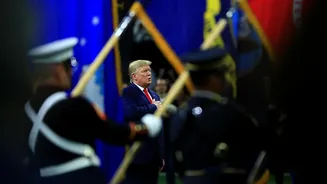
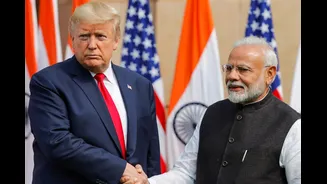
For India, the shifting landscape in Washington presents both opportunities and challenges. With the White House facing domestic political pressure, some analysts believe President Trump might be motivated to fast track pending trade agreements, including a bilateral deal with India, to score an economic victory before the new Congress is seated. This could give New Delhi a window to negotiate more favourable terms. According to one financial services report, the reduced threat of sudden tariff escalations may give India more breathing room and less urgency to finalize a deal under pressure. However, a key point of friction remains: bipartisan US concern over India's continued imports of Russian oil could complicate an otherwise positive outlook for trade relations.
Looking Ahead: Policy Gridlock vs. Stability
Ultimately, the next two years of US trade policy will be defined by the tension between a president who retains significant executive power and a Congress determined to reassert its authority. While a divided government often leads to legislative gridlock, it can also produce more predictable and stable policy, which is a net positive for global trade that has been rocked by uncertainty. Businesses and investors should not expect an immediate rollback of existing tariffs, but the probability of new, large scale trade shocks has likely decreased. The focus will now shift to congressional oversight, appropriations battles, and the administration's use of executive actions as its primary tool for foreign and trade policy.