







From Clicks to Conversation
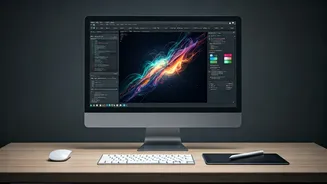
Not long ago, a designer's toolkit was defined by software like Adobe Photoshop or Figma. Proficiency meant knowing the right menus, shortcuts, and techniques to manipulate pixels and vectors directly. Design literacy was tied to the mastery of these
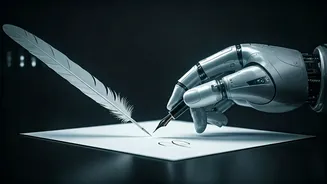
specific interfaces. Today, that definition is expanding rapidly. With the rise of powerful generative AI tools like Midjourney and DALL-E, a new kind of interface is emerging—one based on language. Instead of clicking and dragging, designers are increasingly typing, describing, and conversing with AI to generate everything from initial concepts to finished assets. This shift is giving rise to a new core competency known as prompt engineering, which is essentially the art and science of crafting effective instructions for AI. It’s a move from being a hands-on craftsperson to a creative director, guiding an incredibly capable but very literal assistant.
What Makes a Good Prompt?
Effective prompting is more than just typing a few keywords and hoping for the best. Just as a good design brief guides a human collaborator, a strong prompt provides the AI with clarity, context, and constraints. Vague instructions like “create a logo for a coffee shop” yield generic results. A powerful prompt, however, is specific and layered. It might say: “Create a minimalist logo for a high-end, urban coffee shop named ‘Arbor’. Use a single, continuous line to form the shape of a coffee bean integrated with the letter ‘A’. The colour palette should be earth-toned, with terracotta and deep green. The feel should be sophisticated and calm.” This level of detail transforms the AI from a random image generator into a focused creative partner. It’s a skill that requires designers to articulate their vision with extreme precision, blending creative direction with technical instruction.
A Skill Designers Already Have
While the term 'prompt engineering' might sound technical and new, many argue that its core principles are already deeply embedded in the design profession. Designers have always been translators. They take abstract client needs, ambiguous feedback like “make it pop,” and complex user problems, and translate them into structured, actionable plans. A wireframe, a user flow, or a creative brief is, in essence, a prompt—a set of instructions designed to guide a process toward a desired outcome. What's different now is the collaborator. Instead of briefing a junior designer or a developer, they are briefing a model. This requires adapting their communication style to be more literal and structured, but the underlying skill of translating intent into clear direction remains the same.
Rethinking Design Education
This shift is already beginning to influence how design is taught. Educational institutions and online platforms are integrating AI fluency into their curricula, recognizing that today’s students must learn to work alongside AI, not compete with it. The focus is shifting from pure software proficiency to a broader creative and critical literacy. Educators are encouraging students to see AI as a partner for dialogue, a tool for rapid brainstorming, and a way to stress-test their ideas. Instead of just learning how to use a specific program, the next generation of designers is being trained to curate, critique, and refine AI-generated outputs, ensuring their human judgment and strategic thinking remain at the core of the creative process. This new form of literacy involves understanding not just how to get what you want from an AI, but also its limitations, biases, and ethical implications.
The Designer as Creative Director
The fear that AI will replace designers is widespread, but many industry leaders believe it’s more of a reinvention than a replacement. AI excels at automating repetitive tasks—generating variations, resizing assets, or exploring thousands of layout options in seconds. This frees up designers to focus on higher-level work: strategy, storytelling, emotional connection, and problem-solving. The roles most at risk are those focused purely on execution without creative ownership. The value of a designer is shifting from the craft of making to the strategic vision of deciding what should be made and why. In this new landscape, designers who can effectively direct AI tools—using prompts to guide, iterate, and achieve a specific creative goal—will not just survive; they will become more valuable than ever.