







What Are Whole Foods?
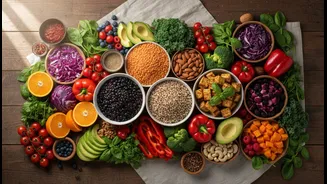
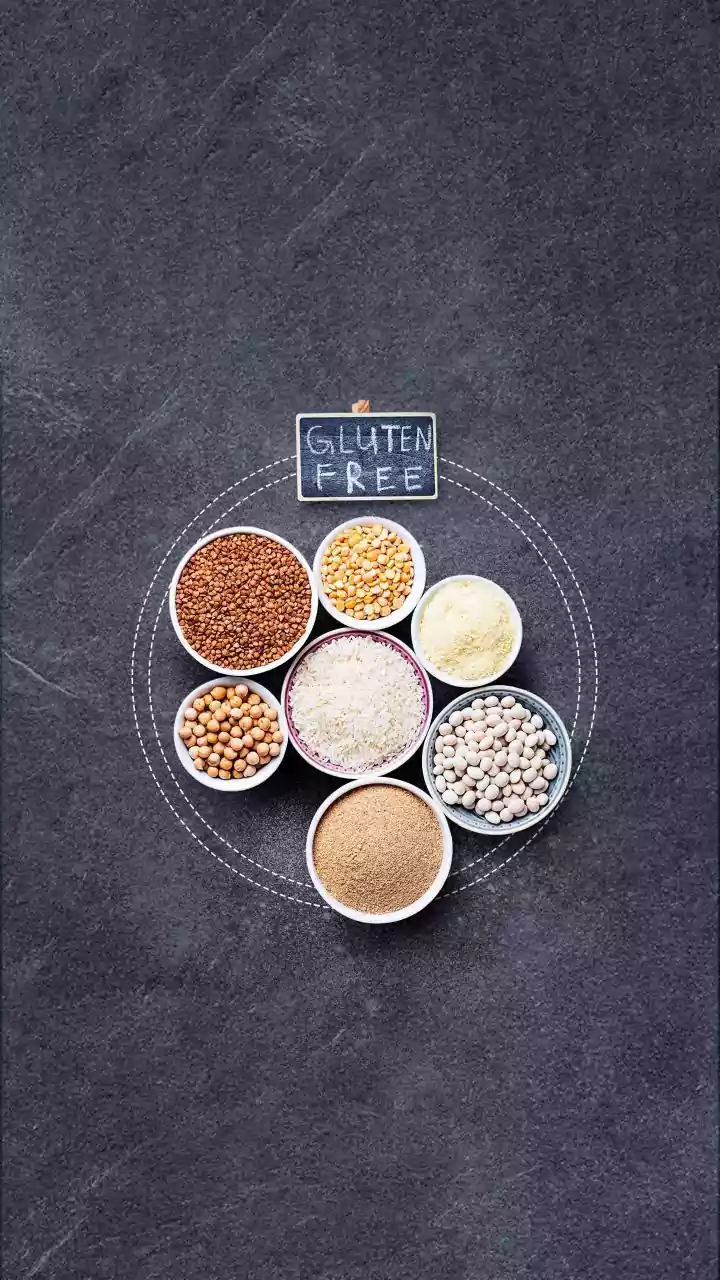
Before we can add more whole foods, it helps to know what they are. In short, whole foods are foods that are in or close to their natural state. Think of fruits, vegetables, legumes like beans and lentils, nuts, seeds, and whole grains such as oats and brown
rice. They are typically single-ingredient items that haven't been heavily processed, refined, or filled with additives. For example, a potato is a whole food, while instant mashed potato flakes or potato chips are considered processed foods. The key difference is that processing often strips away valuable nutrients like fiber and adds extra sugar, salt, and unhealthy fats.
The Science of Feeling Full
The reason adding whole foods works so well is down to the science of satiety—the feeling of fullness and satisfaction after a meal. Whole foods are powerhouses of protein and fiber, two nutrients that are critical for feeling full. Fiber adds bulk to your meals and slows down digestion, which helps stabilize blood sugar levels and keeps you feeling satisfied for longer. Protein is widely considered the most satiating macronutrient; it reduces hunger hormones and boosts hormones that signal fullness to your brain. By incorporating more of these foods, you naturally increase the satisfaction factor of any meal, helping to prevent overeating.
Upgrade, Don't Eliminate
This is where the magic happens. You don't need to say goodbye to pizza, pasta, or tacos. Instead, think about how you can “plus-up” these beloved dishes. If you're making tacos, mix in some black beans or roasted cauliflower with the meat. Making a pasta dish? Add a handful of spinach, mushrooms, or lentils to your sauce. You can even bulk up a frozen pizza by adding your own fresh vegetables on top before baking. Another popular method is to swap refined grains for their whole-grain counterparts, like using whole-wheat pasta or brown rice instead of white versions. These small additions boost the fiber, vitamin, and mineral content of your meal, making it more satisfying without a dramatic change in flavour.
A Mindset of Abundance
This approach is not just about physical health; it's also about your mental relationship with food. Traditional diets often operate from a place of scarcity, labeling foods as "good" or "bad" and creating feelings of guilt. Focusing on adding nutritious foods fosters an “abundance mindset.” When no food is forbidden, it loses its power over you. This shift helps break the cycle of restriction followed by overeating. By celebrating what you can add to your plate—more colour, more texture, more nutrients—you build a more positive and sustainable approach to eating. You're still enjoying the foods you crave, just in a more nourishing and filling way.